Cryptocurrency security remains one of the biggest concerns for digital asset holders. While exchanges and online wallets offer convenience, they also present significant risks. Cold wallets provide a solution that prioritizes security over accessibility, making them essential for serious crypto investors.
A cold wallet stores your cryptocurrency private keys completely offline, away from internet connections and potential cyber threats. Unlike hot wallets that remain connected to the internet, cold wallets create an air gap between your assets and online vulnerabilities. This fundamental difference makes them the gold standard for long-term crypto storage.
How Cold Wallets Work
Cold wallet operate on a simple principle: keep your private keys offline. When you own cryptocurrency, you’re actually controlling access through cryptographic keys. Your private key serves as the ultimate proof of ownership, and protecting it becomes paramount.
These devices generate and store private keys in a secure, offline environment. When you need to make a transaction, the cold wallet signs it internally without exposing your private key to the internet. The signed transaction then gets broadcast to the network through a connected device, but your sensitive information never leaves the secure environment.
Most cold wallets feature secure chips designed to resist physical tampering. They often include PIN protection, recovery seed phrases, and encryption to create multiple layers of security. Some advanced models even have built-in screens to verify transaction details before approval.
Types of Cold Storage
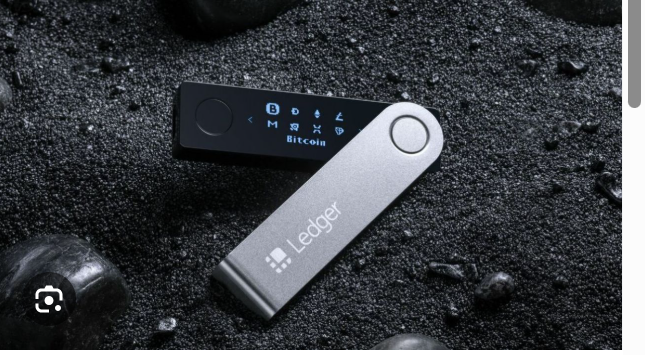
Hardware Wallets represent the most popular form of cold storage. These USB-like devices from companies like Ledger, Trezor, and KeepKey offer user-friendly interfaces while maintaining robust security. They typically cost between $50-200 and support multiple cryptocurrencies.
Paper Wallets involve printing your private keys and public addresses on paper. While extremely secure when generated properly, they require careful handling and storage. Many users laminate them or store multiple copies in secure locations like safety deposit boxes.
Air-Gapped Computers use dedicated offline computers solely for cryptocurrency transactions. This method appeals to tech-savvy users who want complete control over their security setup. The computer never connects to the internet, eliminating remote attack vectors.
Cold Wallet Benefits
Security stands as the primary advantage. Cold wallets protect against hacking attempts, malware, and exchange failures that have cost investors billions of dollars. Your private keys remain isolated from online threats, making unauthorized access extremely difficult.
Cold storage also provides peace of mind for long-term holders. You maintain complete control over your assets without relying on third-party services. This self-custody approach aligns with cryptocurrency’s decentralized philosophy.
Recovery options add another layer of protection. Most cold wallets generate seed phrases that allow you to restore access even if the device breaks or gets lost. This backup system ensures your assets remain accessible across different hardware.
Potential Drawbacks
Convenience suffers with cold storage. Accessing your funds requires physical interaction with the device, making frequent trading impractical. This limitation makes cold wallets better suited for long-term storage rather than active trading.
Physical security becomes your responsibility. Losing or damaging your cold wallet without proper backups could result in permanent asset loss. You must also protect your recovery phrases from theft, fire, or other physical dangers.
Initial setup can intimidate newcomers. While modern hardware wallets have improved user interfaces, they still require basic technical knowledge. Users must understand concepts like private keys, seed phrases, and transaction verification.
Choosing the Right Cold Wallet
Consider your technical comfort level first. Hardware wallets offer the best balance of security and usability for most people. Look for devices with strong reputations, regular firmware updates, and support for your preferred cryptocurrencies.
Evaluate your storage needs. Small amounts might justify simpler solutions, while significant holdings warrant premium hardware wallets or even multi-signature setups for added security.
Budget also plays a role, but remember that hardware wallet costs pale compared to potential losses from security breaches. Investing in quality cold storage protects far more than the device’s purchase price.
Securing Your Digital Future
Cold wallets represent essential tools for serious cryptocurrency investors. They transform volatile digital assets into secure, long-term stores of value by eliminating online vulnerabilities. While they require more effort than hot wallets, the security benefits far outweigh the inconvenience for most users.
Start with a reputable hardware wallet if you’re new to cold storage. Practice with small amounts first, ensure you understand the recovery process, and always maintain secure backups of your seed phrases. Your future self will thank you for prioritizing security over convenience.



I appreciate the thoroughness.