Getting locked out of your home or office is one of those stressful moments that can throw off your entire day. It happens to almost everyone at some point, and when it does, it’s easy to panic. We’ve been there ourselves, and we know how frustrating it can be to stand outside your door without access. That’s why we’re here to walk you through exactly what to do next. This guide will help you stay calm, take the right steps, and avoid making the situation worse.
Stay Calm and Assess the Situation
The first thing we always recommend is to pause and take a deep breath. Stress can cloud judgment. In other words, staying calm helps you think clearly and make better decisions. Start by double-checking all possible entry points before assuming you’re completely locked out.
We’ve had plenty of clients realize they had a back door unlocked or a window slightly open. For instance, try the garage or side entrance, if you have one. Also, think about whether you’ve given a spare key to anyone recently. Sometimes a neighbor, friend, or family member may be nearby and able to help quickly.
Don’t Force the Lock or Break In
It might be tempting to try to break in yourself, especially if you’re in a rush. However, doing so can lead to expensive damage. That is to say, broken locks, damaged door frames, or shattered windows often cost more than hiring a professional.
We’ve seen cases where someone used a credit card or a screwdriver and ended up not only failing to get inside but also needing a full lock replacement afterward. Therefore, if you’re unsure or if the lock is truly secure, it’s better to stop and move on to the next step instead of risking unnecessary damage.
Contact a Professional Locksmith
Once you know you’re locked out and there’s no safe or easy way in, it’s time to get help. Look for a local provider who offers 24-hour emergency service. In addition, be sure they’re familiar with both residential and commercial lockouts.
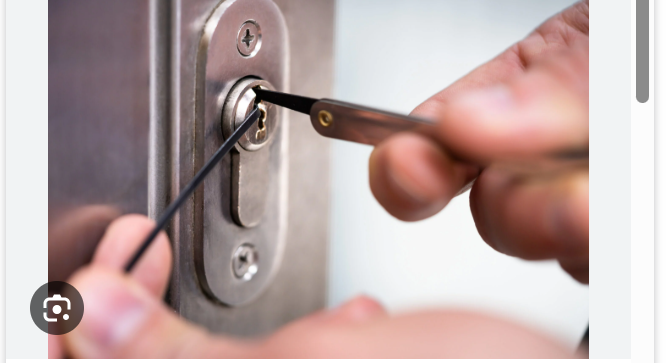
If you’re based in the capital and searching for expert assistance, it’s a good idea to choose someone with trusted experience in locksmith services in Ottawa. They’ll have the tools and training to unlock your door without causing damage. Moreover, professional locksmiths can often arrive faster than people expect, sometimes in under 30 minutes depending on your location.
What Information You’ll Need
When you speak with the locksmith, they’ll likely ask a few questions to better understand your situation. For example, they may ask what type of lock is on the door, if it’s a residential or commercial space, and whether there’s any damage or unusual circumstances.
You don’t need to know technical terms. Simply describe what you see. In the same vein, if you can send a photo to the locksmith, that helps them bring the right tools. Providing your exact location and a phone number ensures smoother communication in case they need to reach you en route.
Prove Your Ownership or Authorization
One thing many people don’t realize is that locksmiths have a legal responsibility to confirm that you have the right to enter the property. That is to say, they may request identification or some form of proof once they arrive.
We always tell our clients not to be offended by this. Likewise, if you’re locked out without your wallet or phone, let the locksmith know in advance. There are often creative solutions. For instance, showing mail with your name at the address or having a neighbor confirm your identity can help move things along.
After Entry: Consider Rekeying or Upgrading
Once you’re back inside, take a few minutes to think about what led to the lockout. If you lost your keys and don’t know where they went, you might want to consider rekeying the lock. In other words, changing the pins inside the existing lock so old keys no longer work.
We recommend this because it’s affordable and safer than waiting to see if the keys turn up. Similarly, if this isn’t your first lockout or your lock is getting old, it might be time to upgrade. Smart locks, for example, let you use a code or even your phone. That adds convenience and reduces the chances of future lockouts.
Be Prepared Next Time
To avoid going through the same stress again, we always suggest a few preventative tips. Firstly, keep a spare key with someone you trust. Secondly, consider hiding a key in a secure lockbox rather than under a mat or flowerpot.
You can also store a spare key in your vehicle or workplace if that feels more convenient. Moreover, labeling keys clearly and having a daily routine to check for them can make a big difference. Most importantly, have the contact information of a reliable locksmith saved in your phone. That way, you’re not scrambling to find someone in the middle of a crisis.
Why It’s Worth Building a Relationship with a Locksmith
In our experience, having a go-to locksmith makes a big difference. Not only will they already know your property, but they’ll often respond faster and offer more flexible solutions. That’s especially important if you run a business and can’t afford delays.
We believe relationships with tradespeople should be just as important as those with doctors or mechanics. Similarly, when you’re dealing with keys and access, trust matters. A good locksmith will also remind you when your locks are due for maintenance or when new options might improve your security.
If you’ve recently had a lockout or need support, don’t wait. You can contact us to get assistance, whether it’s an emergency or simply to ask questions about improving your security. We’re here to help you get back in and stay safe moving forward.
FAQs
What should I do if I’m locked out late at night?
Call a locksmith that offers 24-hour emergency services. Most professionals are equipped to handle lockouts at any time, including weekends and holidays.
Can a locksmith open any type of lock?
Most standard locks, including deadbolts and knob locks, can be unlocked without damage. High-security or smart locks may take longer, but a trained locksmith should still be able to assist.
Will I need to show ID to get back in?
Yes, locksmiths usually ask for proof that you’re authorized to access the property. If you don’t have ID on you, there are other ways to verify your identity, such as confirming information or contacting a third party.
What’s the difference between rekeying and replacing a lock?
Rekeying keeps the same lock hardware but changes the internal pins so old keys don’t work. Replacing involves removing the old lock and installing a brand new one, which can be more expensive.
Can I prevent this from happening again?
Yes. Keep a spare key in a secure location, give a copy to someone you trust, and consider installing smart locks that offer keyless entry or remote access.