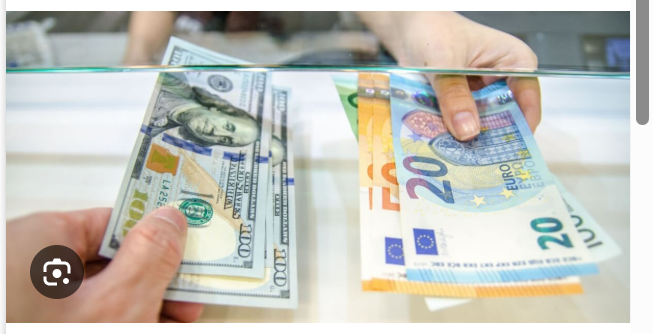
When it comes to exchanging money, every cent matters. Whether we’re planning a vacation, paying for international tuition, or transferring large sums for business, getting the best rate can make a noticeable difference. We often hear people say, “I lost money on the exchange,” and usually, it’s because they didn’t know their options.
Understanding how currency exchange works in Calgary, and how to take advantage of the tools available—can help us keep more of our money. So let’s go through how we can consistently get strong exchange rates without the stress.
Know the Real Mid-Market Rate Before You Exchange
Before we even think about exchanging money, we need to understand the mid-market rate. This is the rate that banks use to trade currencies with each other. However, retail customers rarely get this rate. Instead, we are offered a rate that includes a markup.
To clarify, the markup is where companies make their profit. Therefore, we always check the real-time mid-market rate using trusted sources like financial news sites or currency conversion apps. Once we know that number, it becomes easier to see whether a local provider is offering us a good deal or not.
Furthermore, we should compare this reference rate with what’s being offered. A difference of even two percent can result in a meaningful loss, especially when we’re exchanging large amounts. We don’t want to settle without knowing the facts.
Avoid Airport and Hotel Exchange Counters
It’s tempting to exchange currency at the airport for the sake of convenience. However, those counters often charge higher rates and extra service fees. Most importantly, the rates at these locations are rarely competitive. In other words, we are paying extra for the convenience.
Instead, we plan ahead and avoid last-minute exchanges at hotels and airports. That means we leave ourselves enough time before traveling to shop around. Certainly, we’ve all had moments where convenience took priority, but when we think in advance, we save money.
When we prepare properly, we avoid desperation and have a wider choice of options. For instance, we can visit a dedicated provider of currency exchange in Calgary and make decisions based on real value, not urgency.
Compare Rates Between Providers in Real Time
Rates change throughout the day. So, just like we wouldn’t book the first flight we see, we shouldn’t lock in an exchange rate without comparison. Calgary has multiple service providers for currency exchange, and they do not all offer the same deal.
To get the best rates, we check providers online, call ahead, or even use apps that show us live updates. Some places specialize in large transactions and offer better terms for higher volumes. Therefore, when we know our options, we can request competitive pricing and sometimes even negotiate slightly better rates.
In addition, we stay flexible about when and where we exchange. Timing can affect the rate, and some providers update theirs at different points during the day. If we’re making a big transaction, even a small difference can translate into hundreds of dollars.
Ask About Service Fees or Hidden Costs
Sometimes we see a rate that looks great—until the final bill comes. That’s because service fees, commissions, or minimum charges can apply without much warning. Consequently, we ask upfront about any added costs before we go through with a transaction.
This is especially important when using online platforms. Some services will advertise a strong exchange rate but apply a separate transaction fee at the end. We always double-check how much we’re actually getting, not just what the posted rate says.
Likewise, we also check the fine print for any flat fees. For example, some places charge $5 or $10 per transaction regardless of the amount. This affects smaller exchanges more than larger ones, so we choose providers whose fees match the size of our transaction.
Plan Larger Transactions to Maximize Value
If we know we’ll need to exchange a larger sum, we consider bundling our exchanges. Most providers offer better rates for higher volumes, so it makes sense to plan ahead and convert more at once instead of smaller bits over time.
Let’s say we need currency for tuition, rent, and travel. Instead of exchanging money three times and incurring three sets of fees, we handle it in one go. As a result, we reduce overhead, save on rate markups, and have fewer surprises.
Moreover, we ask about tiered rates or volume discounts. Some services don’t openly advertise better rates for large exchanges, but they will offer them if we ask. It pays to speak with someone in person or call ahead to ask how much we could save by exchanging more in one transaction.
Use Tools to Lock In Rates and Limit Risk
Currency markets can be unpredictable. Therefore, locking in a rate when it’s favorable can protect us from future drops. Some exchange services allow us to hold a rate for a few hours or even a full day, especially if we’re transferring large amounts.
This is especially useful when we’re watching a currency trend upward. Rather than guessing what the market will do tomorrow, we can take advantage of a favorable rate today and finish the exchange with confidence.
In the same vein, we can use rate alerts. These tools send us notifications when a currency reaches a target price. That way, we don’t have to monitor the market constantly, and we’re ready to act when the opportunity appears.
Ask About Identification Requirements Before You Go
One commonly overlooked step is knowing what documents to bring. As part of financial regulations, many providers need valid photo ID to complete a transaction. So, to avoid delays, we check which forms of ID are acceptable beforehand.
Sometimes, providers also need to record the purpose of the exchange for regulatory reasons. For example, we may need to state whether it’s for travel, education, or a business transaction. These questions aren’t meant to complicate things—they’re just part of compliance rules in Canada.
By being prepared, we can avoid repeat visits or declined exchanges. Therefore, we always carry two forms of ID just in case, and if we’re exchanging on behalf of someone else, we check whether authorization documents are needed.
Consider Local Pickup or In-Store Booking
Some providers in Calgary allow us to place an exchange order online and pick it up at a nearby location. This option is ideal when we want to lock in a rate and avoid waiting in line. Above all, it offers more control.
By scheduling our exchange in advance, we avoid timing risk and ensure the currency we need is available. For instance, if we’re exchanging for less common currencies, the provider may need notice to have the bills ready.
In addition, booking in advance allows us to plan our day better. Rather than wasting time comparing rates in person, we arrive when it’s ready and finish quickly. It’s a simple step, but it improves the experience.
Build a Relationship With a Trusted Provider
When we exchange currency often, it helps to return to the same provider. Over time, they may offer better terms, faster service, or priority on less common currencies. In other words, loyalty can pay off.
Likewise, we benefit from staff who understand our needs. They might notify us when rates are favorable or when service fees change. Even small perks like quicker turnaround can make a noticeable difference when we’re exchanging frequently.
If we’re exchanging money for business or regular travel, working with someone familiar can save us time and stress. We can even set up regular schedules or alerts. That kind of relationship can only be built with consistency and communication.
Get in Touch When You’re Ready to Exchange
If you’re planning to exchange funds in the near future, we encourage you to contact us. Whether you have questions about rates, ID requirements, or volume discounts, we’re ready to help. You don’t need to commit to anything before getting informed. By asking ahead, we help ensure you get the value and clarity you deserve.
FAQs
What is the best time to exchange currency?
Rates fluctuate throughout the day, but weekdays during business hours often offer the most stable pricing. Early morning tends to reflect the latest global activity.
Can I get a better rate for larger amounts?
Yes, many providers offer tiered rates. If you’re exchanging a higher amount, you can often request a better rate directly.
Do I need ID to exchange currency?
Yes, valid photo ID is typically required for all transactions. Some larger exchanges may also require proof of address or other documentation.
What currencies are available in Calgary?
Most providers carry major global currencies like USD, EUR, GBP, and JPY. Less common currencies may require a few days’ notice to order.
Are there limits on how much I can exchange?
There are no strict limits for most personal exchanges, but large transactions may require additional documentation or approval under financial regulations.