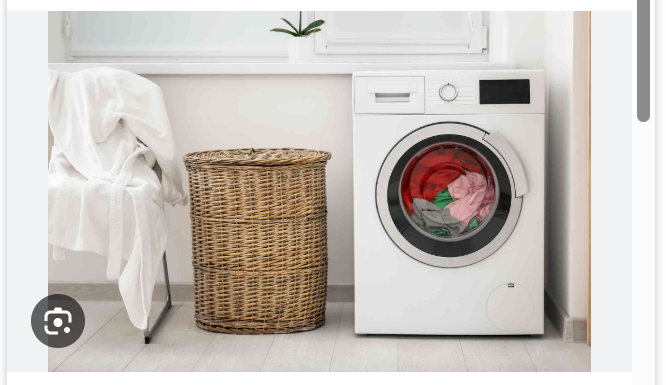
We’ve all been there. You load your clothes, add detergent, set the cycle, and walk away expecting clean laundry at the end. But instead, the machine just stops. Nothing moves. Nothing drains. The lights might still be on, or maybe the drum is full of water and stuck. It’s frustrating and inconvenient. However, this kind of issue is more common than you might think. Therefore, it helps to know what might be causing it and what you can do before calling a professional.
We deal with machines like this regularly, and we know how disruptive it can be when your washer suddenly quits halfway. Most importantly, knowing how to respond can help prevent damage and reduce repair costs.
Check the Obvious First
Before diving into complex causes, start by checking the basics. Is the power cord firmly connected to the outlet? Has a fuse blown or a breaker tripped in your electrical panel? In some homes, especially older ones, laundry appliances share a circuit that can easily overload. Consequently, even a temporary spike can stop your machine mid-cycle.
After that, verify the lid or door is shut completely. Top-loading washers won’t spin if the lid isn’t closed tightly. Similarly, front-loaders use a door lock system that won’t engage the cycle without a proper seal. If the latch is loose or damaged, the washer might stall right in the middle.
Look for Drainage Issues
Another common cause is drainage failure. That is to say, if the machine can’t remove the water from the drum, it won’t continue the cycle. You might notice a lot of water sitting inside. In other words, the machine is stuck waiting to drain, and no rinse or spin will happen until it’s clear.
Check the drain hose for any visible kinks or clogs. Likewise, inspect the filter or pump trap if your model has one. These parts often get blocked by coins, socks, or lint. We often find children’s toys or buttons in these traps as well. To clarify, a simple blockage here can halt the cycle completely.
Investigate the Control Panel
If the washer shows an error code, that’s actually helpful. Most modern washers display codes to point out the issue. Refer to your owner’s manual or the brand’s website to decode it. For instance, a code related to water intake might mean the machine isn’t filling fast enough or at all.
It might seem like a control panel issue when it’s really a sensor problem. However, buttons that don’t respond or strange blinking lights might also point to a failed main board. In that case, a full diagnosis is needed, but power cycling the machine can temporarily reset minor glitches.
Overloaded Drum or Unbalanced Load
If the washer is heavily loaded, especially with bulky items like towels or bedding, it can stop mid-cycle. Front-loaders are especially sensitive to load balance. If all the weight is on one side, the spin cycle will abort or pause indefinitely.
Try redistributing the contents evenly and starting the spin again. Most importantly, avoid filling the drum past three-quarters capacity. Likewise, mixing heavy and light fabrics in the same load can reduce imbalance problems in the future.
Check the Water Supply
This one often goes overlooked. If the water pressure is low or the valves are partially shut, the washer might not get the flow it needs. That leads to long fill times and cycle pauses. We’ve seen washers pause for twenty minutes trying to fill before showing an error.
Inspect the supply valves behind the washer and open them fully. Also, check the mesh filters on the water inlet hoses. These can collect sediment over time, especially in homes with hard water. As a result, restricted water flow can bring the cycle to a halt.
Consider Thermal Protection Triggers
Some washers have built-in thermal protection systems. If the motor overheats during a cycle, the washer may stop and wait to cool before continuing. This often happens in older machines or those doing back-to-back loads.
If you notice this pattern regularly, give your machine longer breaks between loads. In addition, keep the laundry room well-ventilated. Heat buildup can cause recurring interruptions that mimic electrical problems.
When DIY Stops Working
If you’ve gone through the checklist and your washer still refuses to run its full cycle, it’s time to reach out for help. More complicated causes like faulty pressure switches, control board issues, or wiring problems require technical tools and training.
In cases like these, it’s smart to speak with experienced professionals who handle all kinds of washer breakdowns. We’ve fixed machines that looked completely dead but only needed one precise adjustment or replacement part. You don’t have to figure it all out alone. For prompt help and efficient diagnostics, schedule a service with a trusted team specializing in appliance repair in Calgary.
Safety Tip: Unplug Before Troubleshooting
We always recommend unplugging the washer before removing any panels or checking interior components. Even if it’s turned off, residual electricity can still pose a shock risk. Safety comes first. That is to say, no reset or inspection is worth an injury.
We also advise against removing the back panel unless you’re confident in what you’re doing. Likewise, avoid tilting or shifting the machine too much, especially when it’s full of water. Moving a washer in distress can damage the suspension or tear internal hoses.
Long-Term Prevention Tips
Mid-cycle shutdowns often come from preventable issues. Above all, regular maintenance makes a real difference. Clean the pump filter monthly. Flush out your drain lines occasionally. Don’t ignore strange noises or small leaks—these are often early warning signs.
Moreover, check the balance of your loads and avoid repeated overuse. Using the proper detergent in the correct amount also helps maintain your washer’s health. In short, small efforts today prevent big repairs tomorrow.
If your washer isn’t responding to basic troubleshooting or needs immediate attention, don’t wait. Use this contact us link to book a professional technician. We’ll help get your washer back on track without delay.
FAQ
Why did my washer stop with water still inside?
It likely failed to drain properly. This could be from a clogged hose, blocked filter, or faulty pump.
Can a tripped breaker cause the washer to stop mid-cycle?
Yes. If the power is interrupted during a cycle, the washer may freeze or shut off completely.
What should I do if my washer has no error code but still won’t continue?
Try unplugging it for five minutes, then restart the cycle. If the issue remains, professional service is recommended.
Is it safe to keep trying to restart a cycle repeatedly?
Not always. Repeated resets can worsen existing electrical or motor issues, especially if the cause hasn’t been fixed.
Can a faulty door latch really stop the entire cycle?
Absolutely. If the door isn’t sealed properly, the washer may stop spinning or refuse to start the rinse and drain phases.