What to Know Before It Becomes a Bigger Problem
When a garage door suddenly feels heavier or slams shut faster than it should, we know something is wrong. Most of the time, it’s the springs. Springs play a big role in how safe and smooth our garage doors operate. However, they’re often overlooked until they fail. Therefore, understanding the early signs of wear helps prevent bigger, more expensive issues down the line.
Garage doors don’t stop working without warning. In other words, the signs are there if we know what to watch for. Let’s break down those signs and what they mean for homeowners in Calgary.
The Door Feels Heavier Than Usual
One of the first things we usually notice is weight. A garage door that once opened easily suddenly feels heavier. That is to say, the springs are no longer doing the heavy lifting they’re supposed to do.
We may try to open it manually and find ourselves putting in more effort. Consequently, this strain is a clear sign the springs are weakening. Springs store mechanical energy and help lift the door with little effort. Without their support, the full weight transfers to us or the opener.
In addition, when the springs start to lose their tension, the door becomes unbalanced. If we let this go on, we risk damaging the opener or creating a safety issue for anyone using the door.
The Door Opens Crooked or Unevenly
Garage doors should open straight and smooth. However, if one spring wears out before the other, it can pull unevenly. This is common with torsion systems that rely on matched spring tension across both sides of the door.
We often see the door tilt to one side or jerk during operation. In some cases, it might get stuck halfway or hang unevenly when fully open. To clarify, that doesn’t mean both springs have failed, but if one goes, the second usually follows soon after.
For example, in a double spring setup, one spring might still hold some tension, while the other is completely broken. We notice more strain on one side of the door, and this increases wear on the entire system.
There’s a Loud Bang From the Garage
If we hear a loud bang even though nothing seems to have moved, check the garage. A broken torsion spring can snap with force. Therefore, the sound is sometimes mistaken for a falling object or even a minor explosion.
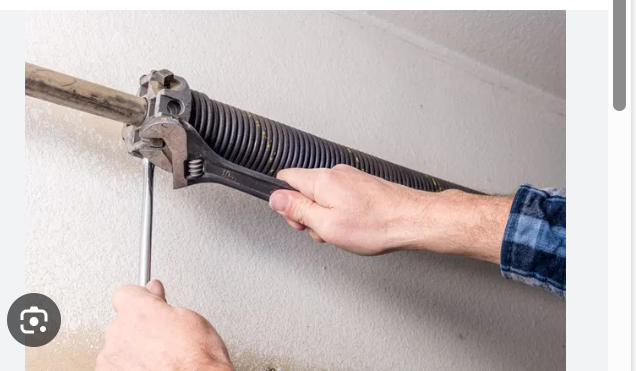
The spring might still be attached to the bar, but it will have a visible break or gap in its coil. This type of failure leaves the door inoperable in most cases. We should never attempt to open the door manually when this happens, as the weight becomes dangerous without spring support.
To address this kind of situation, we always recommend homeowners look into trusted professionals for garage door repair in Calgary. Repairing or replacing springs should never be a DIY job.
The Door Doesn’t Stay in Place When Open
Another common issue we see is a door that won’t hold itself open. For instance, we raise it halfway, and it starts to slide down on its own. That is to say, the tension is no longer enough to counterbalance the door’s weight.
This issue isn’t just annoying. Most importantly, it’s dangerous. A sliding door can hurt someone or damage anything in its path. Springs are meant to keep the door stable whether it’s fully open or halfway up.
If we ignore this sign, it can eventually lead to unexpected closures. The moment we notice the door drifting or failing to stay open, it’s time to get it inspected.
There Are Visible Gaps or Rust on the Springs
Visual checks are simple and helpful. Springs that have a noticeable gap in the coil are broken. Likewise, rusted or stretched-out springs show signs of fatigue and exposure to moisture or temperature extremes.
These physical signs are especially common in Calgary, where seasonal changes impact metal components. During winter, for instance, temperature drops put added stress on metal, making older springs more likely to fail.
When we see these signs, it’s better to plan a replacement before a sudden break happens. Spring failures under tension can be harmful if left unaddressed.
The Opener Struggles or Stops Mid-Cycle
If the opener seems to be straining or stopping, the issue might not be with the opener itself. Springs do most of the lifting work. However, when they weaken, the opener has to pick up the slack.
We may hear the motor working harder or see the door stop before reaching the top. In other words, the opener isn’t failing—it’s just working beyond its limits. Over time, this can burn out the motor or break the chain.
Rather than replacing a motor that isn’t actually defective, it’s more effective to address the spring tension. Recognizing this early helps us save on future repairs and avoid full opener replacements.
The Door Moves With Sudden Jerks or Stops Abruptly
Smooth movement is a sign of a healthy system. When we start noticing sudden jerks, stops, or uneven motion, it’s often tied to spring issues. That’s because springs are designed to maintain consistent tension throughout the door’s range of motion.
Without even tension, the door may seem to pause unexpectedly or surge forward. These patterns suggest something mechanical has changed inside the system, and springs are often the first place we look.
By catching this early, we avoid damage to tracks, rollers, and the opener, all of which are more costly than spring replacement alone.
Preventative Tip: Replace Both Springs at Once
Most double spring systems wear out at nearly the same rate. Therefore, if one spring breaks, the second one is likely near failure too. We always recommend replacing both springs during service.
Replacing both helps maintain balance and ensures consistent tension. In addition, it prevents the need for another service call just weeks or months later.
This also improves safety. Unmatched tension can lead to uneven strain on other hardware, causing more wear and shortening the lifespan of the entire garage door system.
When to Call for Service
The moment we notice any of these signs, whether it’s heavier movement, visible wear, or loud noises—we should stop using the door and arrange a professional inspection. Springs are tightly wound and under high pressure. Consequently, improper handling can lead to serious injury.
For urgent concerns or if the door is stuck entirely, the best option is to contact us to get the problem addressed safely and efficiently. We’ll assess the full system and recommend the right solution to prevent further damage.
Garage door springs don’t last forever, but spotting the issues early means we can avoid emergency repairs. It also keeps our home safer and reduces wear on the rest of the garage door system.
FAQ
What causes garage door springs to break?
Springs break due to wear and tear over time. Temperature changes, rust, and poor maintenance can all speed up this process.
Can I still open my garage door if a spring is broken?
It’s possible but not safe. A broken spring means the door is very heavy, and trying to lift it can result in injury or damage to the opener.
How long do garage door springs last?
Most springs last between 7 to 10 years depending on usage. Frequent use can shorten this lifespan, especially without regular maintenance.
Are there different types of garage door springs?
Yes. Torsion springs are mounted above the door, while extension springs run along the sides. Both serve the same purpose but operate differently.
Is spring replacement something I can do myself?
We strongly advise against DIY spring replacement. Springs are under high tension, and improper removal can be dangerous without the right tools and training.