Mold is often dismissed as a minor household issue, yet its effects can be far-reaching and costly. Whether you’re a homeowner or a property manager, understanding the risks and expenses associated with mold is essential. Left unchecked, mold can compromise both health and property value.
Fortunately, services like GAC Environmental are dedicated to helping residents identify and eliminate mold before it becomes a serious problem.
Where Mold Hides and Why It Matters
Mold can grow anywhere there’s moisture, which makes bathrooms, basements, kitchens, and crawl spaces especially vulnerable. Its spores can spread quickly, often becoming a serious concern before visible signs even appear. Here’s why mold in these hidden spots can be so problematic:
Hidden Threats
- Mold often develops behind walls, under flooring, or in ventilation systems, escaping notice until structural damage or health symptoms arise.
- Even a small leak or spill can create enough moisture for mold colonies to form.
- Regular inspections and moisture control are the best ways to stop mold before it spreads.
The True Costs of Mold Infestation
Mold doesn’t just cause stains or odors, it creates real financial burdens. Homeowners and property managers may face significant out-of-pocket expenses when remediation is required.
Financial Impacts
- Professional remediation can range from hundreds to thousands of dollars, depending on severity.
- Mold can devalue a property and make it harder to sell or rent.
- Insurance may not cover mold damage if it’s due to negligence or long-term leaks.
Health Implications
- Exposure to mold can lead to respiratory issues, especially for children, seniors, and individuals with asthma.
- Symptoms can include chronic coughing, sneezing, skin irritation, and even neurological effects in severe cases.
- Preventing mold growth is not only a matter of property care but of personal well-being.
Early Detection: Your First Line of Defense
Catching mold early is critical. Property managers should be especially vigilant during routine inspections and after storms or plumbing issues.
What to Look For
- Musty smells or visible spots on ceilings and walls.
- Peeling paint, warped wood, or unexplained moisture.
- Complaints from tenants about persistent cold-like symptoms.
Mold and Property Management: Responsibilities and Risks
Landlords and property managers have a legal and ethical responsibility to maintain habitable living conditions. Mold, if ignored, can lead to lawsuits and tenant turnover.
Why Prompt Action Is Key
- Delaying treatment increases the scope and cost of remediation.
- Tenants can break leases or withhold rent in mold-infested units.
- Legal liabilities can escalate if mold affects tenant health and no action is taken.
Professional Solutions vs. DIY
While DIY mold removal products exist, they rarely address the root of the problem. Professional remediation ensures thorough treatment and long-term results.
The GAC Environmental Advantage
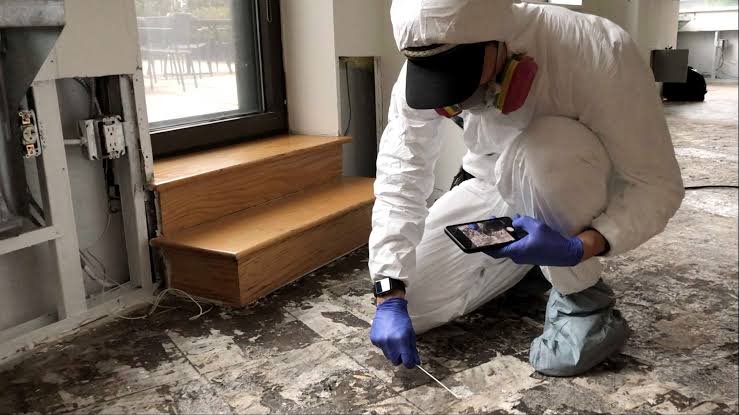
- Specialists in residential mold with the tools and training to identify, isolate, and remove infestations.
- Tailored remediation plans for homes and rental units.
- Follow-up testing and preventive recommendations.
Long-Term Prevention
Eliminating mold is only half the battle, keeping it from coming back is just as important.
Ongoing Strategies
- Control indoor humidity using dehumidifiers and proper ventilation.
- Fix leaks immediately and monitor high-risk areas
- Schedule annual inspections with mold specialists.
Conclusion: Don’t Let Mold Drain Your Resources
Mold may be hidden, but its impact is very real. From threatening your health to reducing your property’s value, mold carries serious consequences. Proactive inspections, quick remediation, and long-term prevention are the smartest ways to safeguard your investment.