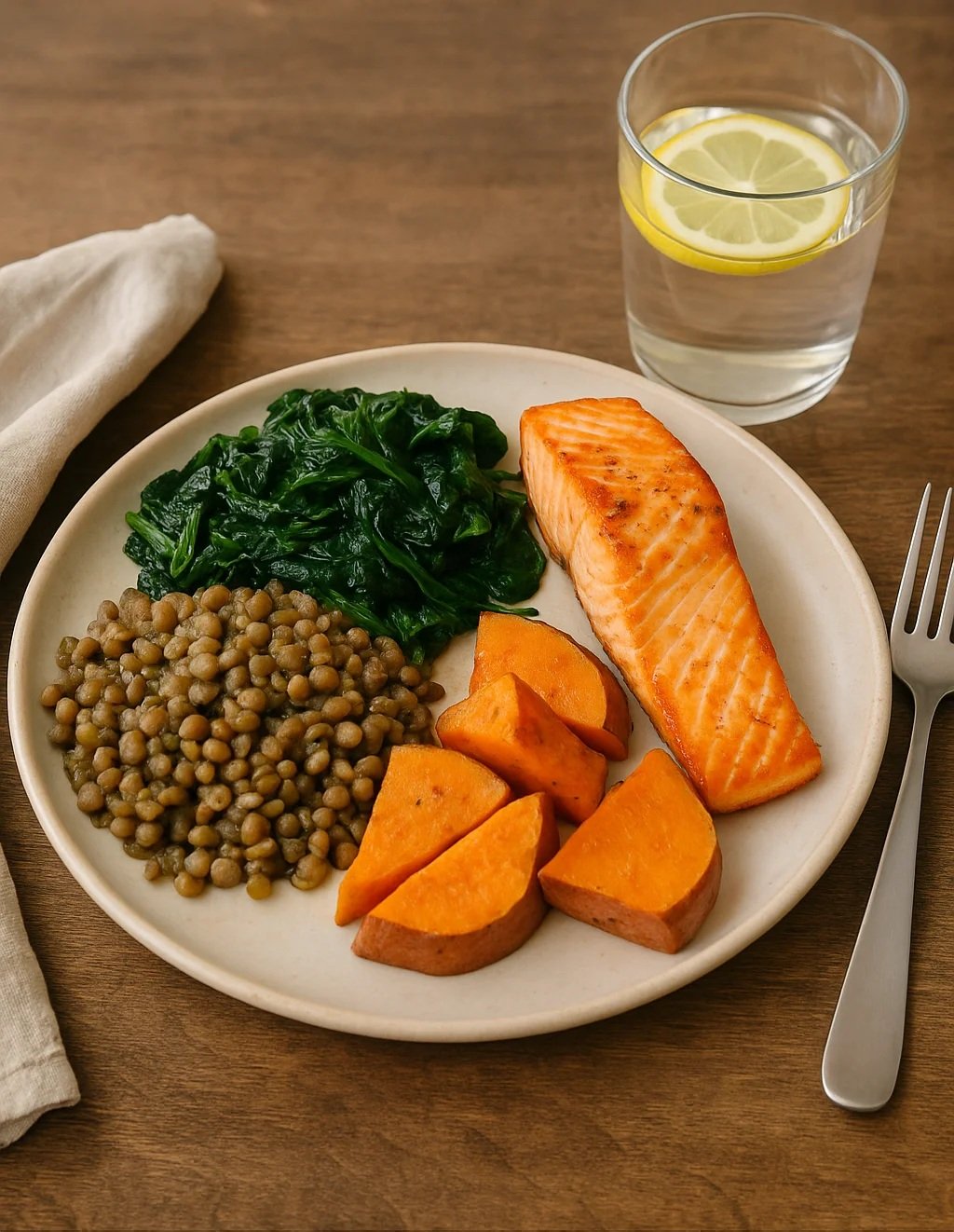
Childbirth is an amazing phenomenon that physically and emotionally changes people. It is important to remember that although prenatal care is widely emphasized, the postpartum period or what is sometimes known as the fourth trimester is also of great importance. In this period, the body of the mother is recovering after giving birth, hormonally balancing and in most incidences also producing breast milk to feed the newly-born offspring. Nutrition is a key element in the healthy recovery process, an increase in energy levels, enhancement of mental health, and maximised lactation process. This article delves into the critical nutrients that new mums actually require, which can connect the fundamentals of cultural practice with those of scientific knowledge, to enable informed postpartum decision-making.
With the aim of offering research-based training of how a perfect postpartum eating program would like, visit this incredible postpartum diets. guide.
What Postpartum Nutrition is about
The postpartum period is a lot more than healing the physical process. That results in hormonal rebalance, sleeplessness, emotional ups and downs and frequently, breastfeeding. Nutrient deficit can amplify fatigue, moodiness and poor healing of wounds. They can therefore help to penalise the body with chosen nutrients to:
- In restoration of tissues and in getting the uterus back in their healthy state
- Even the energy and mood
- Breast-lactation
- Hormonal equilibrium
- Boosted immunity
Women in many traditional cultures have long consumed nutrient-dense postpartum foods and in some cases there is a priority placed upon warming foods, as well as nourishing teas or tonics. Although the rituals are different, modern science has proven that there are some base nutrients needed during this important period.
Essential Postpartum Mineral and Vitamins
1. Iron: Filling Up of Blood and Preventing the Fatigue
Iron is essential post-partum particularly given to the mothers who lost blood in the process. Iron facilitates the making of hemoglobin that aids in transport of oxygen to the body by red blood cells. A lack of iron can cause new mothers to feel dizzy or weak or tired all the time.
Some of the sources of iron rich foods are:
- Red meat (and liver as an addition to it)
- Legumes bean
- All the vegetable which are all dark green such as the kale and the spinach
- The dried raisin Sultanas
- Hint: Vitamin C (e.g. citrus or tomatoes) enhances the absorption of iron when taken together with iron containing foods in plants.
Fact: To enhance iron absorption in plants, vitamin C (e.g. citrus or tomatoes) should be consumed with iron rich foods.
Science Speaks: A research published in American journal of clinical Nutrition reported that iron deficiency through out the postpartum period may cause more symptoms of fatigue and depression even to mothers who are not anemic.
2. Bone health/Calcium/Muscular Function/Bone health Calcium
In pregnancy, the body of a woman transfers calcium to the developing population. When she does not get calcium in her own diet, it is removed out of her bones. After birth, good calcium contributes to the healing process and the necessary requirements to have strong bones both during and after breastfeeding where milk still contributes to the calcium loss.
The most nutritious milk of calcium based foods
- Milk cheese, milk and milk product Yogurts, milk and milk products Yogurts.
- vegetables and plants Okra beet Absinthe Squash brussels sprouts
- Tempeh and tofu
- Sesame and peanuts
- Vitamin Fortified milk
Scientific Insight: The National Institutes of Health advise that postpartum women (moreover lactating ones) take a minimum of 1,000 mg of calcium on a daily basis to avoid bone loss in the long term.
3. Omega 3Fatty Acids: Stabilizer of the levels of the brain and moods.
DHA or a form of omega-3 fatty acid plays a critical role in the development of infant brain and the mental wellbeing of the mother. Research indicates that increased DHA can decrease the possibility of Post-Postpartum sadness and enhance the reasonability of the mind.
The body does not have the ability of generating its own omega-3s and therefore new mothers need to find their sources either in food or supplements.
The best sources of omega-3:
- Examples of oily fish are salmon, sardines and mackerel fish.
- Chia Seeds and Flaxseeds
- Walnuts
- The omega-3 enhanced eggs The enhanced, omega-3 eggs
- PHD (plant based supplement) Algal oil
What Research Shows: A 2020 study reviewing Nutrients journal determined that the post childbirth DHA supplementation had resulted in improved mood, and A reduction in the level of anxiety, in women.
4. Protein: The curative substance that is used in curing.
Protein is critical in tissue repair, particularly one that occurred in a cesarean section, or during industrialization of the vagina. It also facilitates the process of enzymes and hormone formation in order to carry out the postpartum processes.
Some of the foods rich in proteins after delivery include:
- Meat cuts and poultry meat and meat cuts and white meat and poultry
- Eggs
- lentil & bean ( legume),chick pea
- Cottage Yogurt and cottage
- The demineralized and quinoa
But how much? will be the question. Women who are breast feeding require about 65 grams of protein daily depending on weight and the level of activity. Separation of protein intake by the meals should maximize its absorbability.
5. B Vitamins: Energy and Nervous System Support
Vitamins of group B, especially group B6, B12, and folate are essential to the metabolism of energy, the production of red blood cells and nervous system functions. They are also nutrients that help decrease “brain fog” that a lot of moms face after delivery.
The co-discoverers of the Vitamin B were:
- Fish and meat and poultry: The poultry and fish and meat
- Evidence-Based Note: According to what tended to happen in the Journal of Psychiatric Research where women were given little doses of B12, women were bound to exhibit depressive symptoms during the postpartum period.
- Eggs
- Evidence-Based Note: According to research findings in the Journal of Psychiatric Research, women who were given low doses of B12 were destined to get depression symptoms during the postpartum stages.
- Evidence-Based Note: In lower concentration of B12, women who were infused have also been destined to attain the depressive symptomatology during the postpartum season, just as the Journal of Psychiatric Research study indicates.
Evidence-Based Note: Simply put, women who received low doses of B12 were destined to experience the effects of depression during the post-childbearing situation as the Journal of Psychiatric Research study proposes.
6. Vitamin D: Immune System and Bones
Vitamin D has a two-fold job as it controls the intake of calcium and enhances the immune system. Lots of women lack in postpartum, especially in cold weather or when women get a little time outside.
Best foods that contain vitamin D:
- Sun (15-30 per day)
- Salmon, tuna (fish)
- Egg yolks
- Fortified foods (fortune cookies, oil, milk, etc.)
- Supplements
Scientific Support: In a study done by the British Medical Journal, they postulated that postnatal supplementation with vitamin D had significant impacts on the serum levels and reduced inflammation particularly in lactating mothers.
7. Fiber and Fluids: Gut Well-being and Hydration
The hormonal changes during childbirth and post-partum can alter the speed of digestion, and it causes constipation. Fiber also enhances the health of the gut and bowel movements, and hydration prevents fatigue and helps in milk production.
Fiber-rich foods:
- Oats
- Beans and lentils
- Apples and pears (with skin)
- Avocados
- WHOLEMEAL and brown rice
Hydration tips:
- A glass of water should be consumed 30-60 minutes before the meal or during one of the meals
- Pueraria is the lactation inducer used in the natural tea, such as fennel or fenugreek tea
- Do not take in too much caffeine that causes dehydration
Science and Culture Converging
Traditional foods have been celebrated in the postpartum diets across cultures where warming, restorative, and nutrient-dense foods have been conspicuous. These practices, in large number of applications, are at peace with modern nutritional science in the unforeseen ways.
- According to Chinese zuo yuezi, bone broths, ginger, and sesame oil are recommended since it contains collagen, anti-inflammatory agents, and healthy fats.
- Ghee, turmeric and lentils were also the ingredients of the Indian postpartum care given that they are easy to digest and that they have anti-inflammatory effects.
- The Latin American culture employs the use of soups, stews and herb teas which help in promoting the interior wellbeing and recuperation.
What I found: Most of these practices of the ancient people supply the very nutrients that science now verifies essential. It is possible to combine the wisdom of traditions with the findings of modern science to make a strong, individually tailored postpartum diet.
Practical Guide to Postpartum Meal Planning
- Plan ahead: Make ahead and freeze the following list (stews, broths and vegetables casseroles of healthy food list-batches).
- Smart eating: Have food that is easy to eat on the go (trail mix, eggs, fruit and nut butter)
- Snack small, snack often: Your mood and energy may be affected by the level of sugar in the blood.
- Seek help: Farm out the situation through the help of family members, or by using food delivery services in order to not spent mental resource.
- Listen to your body: Cravings and hunger may be a sign of the body not receiving or is lacking nutrients, follow your hunger and thirst.
Bottom Line Supplements
Whereas food is supposed to be the main assertion of nutrition, certain mothers can do well with postpartum-specific multivitamins- particularly the ones want:
- The baby was born with a lot of blood loss
- To be vegetarian or even vegans
- Which exists in more illuminated light new ones (vitamin D)
- A liking to occupy the basement of the low ones (vitamin D)
When it comes to supplements it is always good to firstly consult a healthcare provider or a registered dietitian before taking a new supplement particularly when breastfeeding.
Nourishment is a Breeding Place of Prosperity.
Not only is this period after birth a time of survival, but also a time of recovery, attachment and transition. Knowing what the body really requires at the cellular level gives the new mothers the power to take back their power and emotional stability.
Whilst all the cultures can have their soothing foods, and ways of managing recovery rituals, the fundamental dietary building blocks all remain relatively the same: iron, calcium, omega-3s, protein, vitamins, and hydration. When ladies blend age-old customs with evidence-based awareness, they set up the premises of a brilliant postpartum experience- and to their bums.