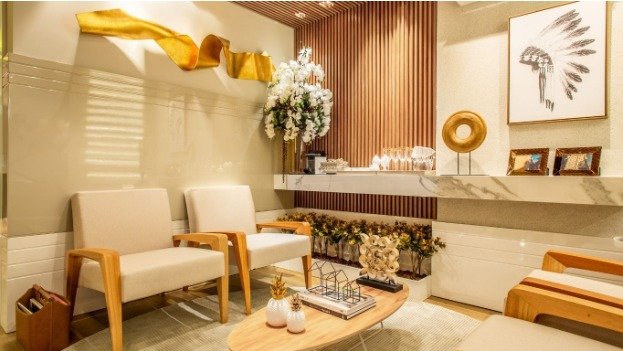
Making a small space feel open and comfortable is one of the most rewarding challenges in the field of interior design. Whether you’re decorating a compact apartment, a tiny studio, or a small office, there are many design tricks that can transform a cramped area into a stylish and spacious-looking environment.
In this article, we’ll explore effective interior design tips that not only maximize space but also enhance functionality. These insights are particularly relevant for those looking for expert advice from a seasoned interior designer or a team like Princework Interior or Interior Designer Kenya, known for creating stylish and livable spaces even in the most compact environments.
Understanding the Power of Smart Interior Design
Why Interior Design Matters in Small Spaces
Designing for a small space requires thoughtful planning. Every piece of furniture and every color on the wall needs to serve a purpose. A skilled interior designer understands how to balance form and function, ensuring that the area feels welcoming rather than overwhelming.
Small spaces often benefit the most from professional input. That’s why services like Princework Interior Designer in Kenya have grown in popularity, especially among urban dwellers and small business owners looking for practical yet aesthetically pleasing solutions.
1. Use Light Colors to Open Up the Room
The Visual Trick of Color
One of the easiest ways to make a small room appear larger is through the strategic use of light and neutral colors. Whites, creams, pastels, and light greys reflect more light, creating an airy and open atmosphere.
Interior design professionals often recommend painting walls, ceilings, and floors in lighter tones. This creates a seamless flow that tricks the eye into thinking the room is larger than it actually is.
2. Incorporate Mirrors for Visual Expansion
Reflective Surfaces Add Depth
Mirrors are a tried-and-true design element in small spaces. They reflect both natural and artificial light, helping brighten the room and give it more depth.
A well-placed mirror across from a window can amplify the daylight, while mirrored furniture or decor can subtly enhance the illusion of spaciousness. Interior designers in Kenya, including firms like Princework Interior, frequently use this technique to visually expand rooms without adding clutter.
3. Embrace Multi-functional Furniture
Maximizing Functionality Without Sacrificing Style
Furniture that serves more than one purpose is key in small spaces. Think ottomans with storage, beds with drawers, and fold-out tables.
An experienced interior designer knows how to choose pieces that offer flexibility and reduce visual bulk. Sleek, low-profile furniture designs also help keep the room feeling open and uncluttered.
4. Use Vertical Space Efficiently
Think Upward, Not Outward
In compact areas, the floor space may be limited, but the vertical space is often underused. Tall shelves, wall-mounted cabinets, and vertical storage systems can help you make the most of every inch.
This approach is common in the interior design strategies employed by professionals like Princework Interior Designer, where efficient storage solutions are tailored to both modern aesthetics and practical living.
5. Keep It Clutter-Free and Organized
Minimalism Is Your Best Friend
Nothing makes a room feel smaller than clutter. Keeping surfaces clean and organizing your belongings can make a significant difference. Use baskets, drawer organizers, and hidden storage to keep items out of sight but within reach.
A tidy space instantly looks bigger and more breathable. An interior designer Kenya locals rely on will always emphasize the importance of minimizing visual noise to enhance spatial perception.
6. Opt for Light-Weight and Transparent Materials
Let the Light Pass Through
When selecting furniture and accessories, go for light-weight and see-through materials such as glass, acrylic, or light metal. A glass coffee table or acrylic chairs can maintain function without visually blocking the space.
This method of interior design adds elegance and sophistication without compromising the openness of the room.
7. Choose the Right Lighting
Layered Lighting Enhances Ambience
Good lighting can make a room feel larger and more inviting. Incorporate multiple sources of light, including ceiling lights, floor lamps, wall sconces, and table lamps.
Layered lighting allows you to control the mood and visibility of the space. Experienced firms like Princework Interior understand how to layer lighting to add depth, warmth, and functionality to even the smallest areas.
8. Use Rugs to Define Zones
Create Sections Without Walls
Rugs can be powerful tools in small spaces. They help define zones within a room, such as a dining area or reading nook, without using walls or dividers. This zoning technique adds structure and can make a small space feel well-planned and organized.
It’s a technique often seen in interior designer Kenya portfolios, especially when designing open-plan apartments and small studios.
9. Choose Wall-Mounted Decor and Furniture
Keep the Floor Clear
Wall-mounted furniture like floating shelves, desks, or even foldable dining tables help keep the floor space open and accessible. This not only maximizes movement but also makes cleaning easier.
Wall-mounted options are favored by many interior designers, especially when dealing with small rooms that need to feel light and breathable.
10. Add Plants for a Natural Touch
Greenery Adds Life and Softens the Room
A few well-placed indoor plants can breathe life into a room and make it feel more open and calming. Choose vertical planters or hanging pots to avoid consuming valuable floor space.
Firms like Princework Interior Designer often use plants to soften corners and add texture without creating clutter.
Final Thoughts
Designing a small space doesn’t mean sacrificing style or comfort. Through strategic interior design, you can create an environment that feels spacious, elegant, and functional. By applying these tips—from using light colors and mirrors to investing in multi-purpose furniture—you can unlock the true potential of even the most compact room.
Whether you’re working with a professional interior designer or seeking inspiration from firms like Princework Interior or Interior Designer Kenya, these principles are universal. The key lies in creativity, organization, and an eye for balance.
FAQs
Q1: What color scheme works best for small rooms?
Light, neutral colors like white, beige, and pastels help reflect light and create a more open feel in small spaces.
Q2: Can mirrors really make a room look bigger?
Yes, mirrors reflect both light and views, which creates the illusion of more space and depth.
Q3: How can I find the right interior designer in Kenya?
Look for designers with portfolios that focus on small-space solutions. Firms like Princework Interior Designer are known for such expertise.
Q4: What’s the best furniture choice for small rooms?
Opt for multifunctional, low-profile, and wall-mounted furniture to maximize space and utility