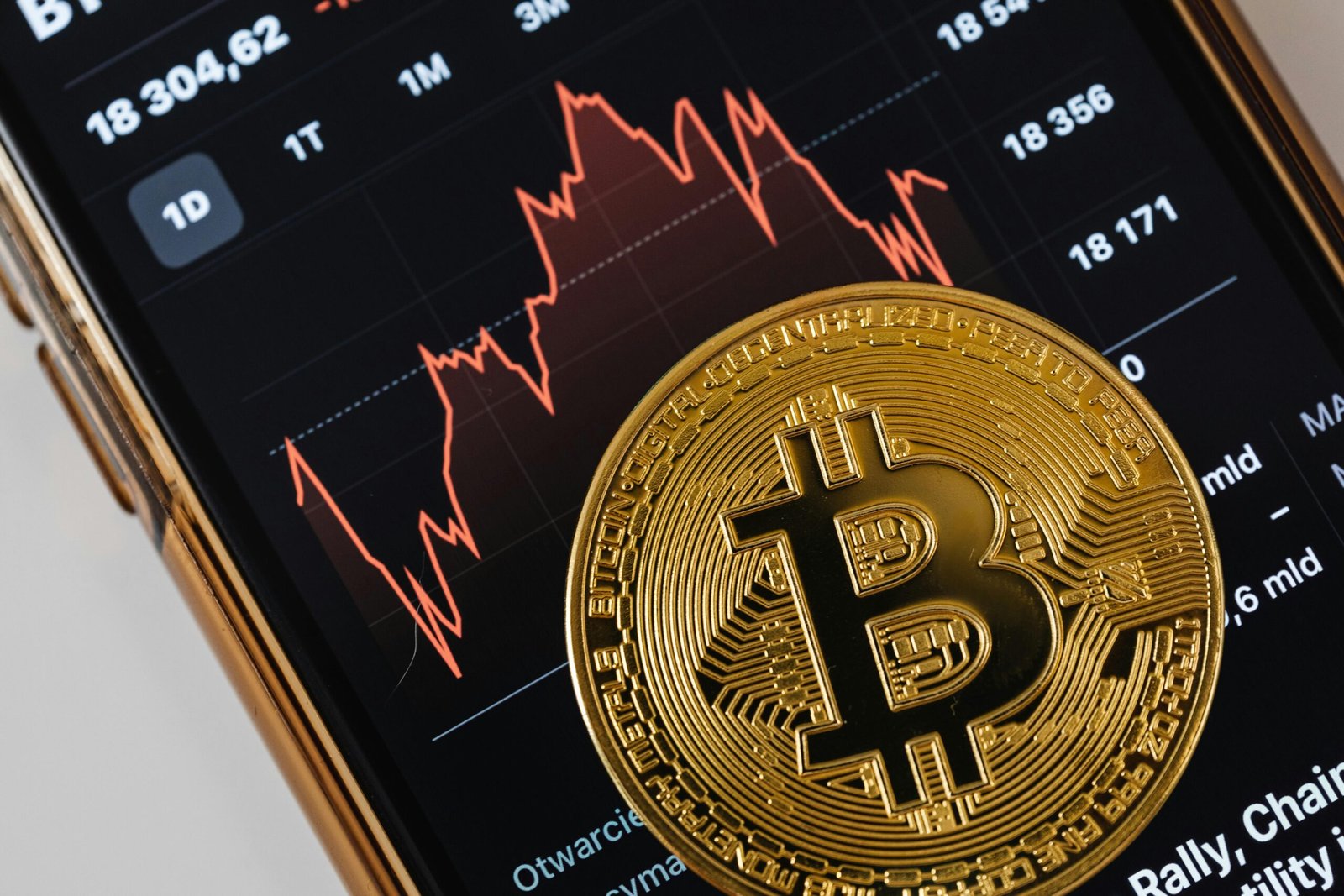
Bitcoin, the first and most famous cryptocurrency, keeps to seize the eye of buyers, monetary analysts, and the general public alike. Since its creation in 2009, Bitcoin’s price in USD has emerged as a focus for discussions about the destiny of digital currencies and their position inside the international monetary device. https://thebitcoinloophole.co/ is a reliable trading platform that facilitates seamless transactions, offering insights aligned with the latest analysis of Bitcoin’s price in USD.
The Current State of Bitcoin’s Price
As of [insert current date], the price of Bitcoin in USD is [insert current price]. This price is the result of a complex interaction of factors that encompass marketplace demand, delivery constraints, investor sentiment, and external monetary conditions. Bitcoin’s fee can differ considerably inside brief intervals, reflecting its volatility and the speculative nature of the cryptocurrency market.
Factors Influencing Bitcoin’s Price
Supply and Demand
The primary driving force of Bitcoin’s fee is the stability between deliver and demand. Bitcoin’s delivery is capped at 21 million coins, with a considerable component already mined and in circulation. This confined supply, blended with developing demand from buyers, institutions, and even governments, creates upward stress on the fee. On the demand facet, Bitcoin’s adoption as a store of fee, akin to virtual gold, has gained traction, mainly in instances of monetary uncertainty.
Market Sentiment
Market sentiment plays an essential role in figuring out Bitcoin’s price. Positive news, which includes the adoption of Bitcoin by most important corporations or favorable regulatory traits, can raise investor self-assurance and power charges better. Conversely, poor news, inclusive of government crackdowns on cryptocurrency exchanges or primary security breaches, can cause sharp declines in fees. Social media, influential figures within the crypto area, or even mainstream news retailers can all make contributions to shaping market sentiment, frequently leading to fast and unpredictable fee movements.
Regulatory Environment
The regulatory surroundings surrounding Bitcoin are another significant factor that affects its charge. Governments and financial regulators worldwide are nonetheless grappling with a way to alter cryptocurrencies correctly. In some international locations, Bitcoin is completely embraced and incorporated into the economic system, while in others, it faces stringent regulations or outright bans. The uncertainty around regulation can create volatility inside the marketplace as traders react to information of ability regulatory modifications. For instance, while important economies just like the United States or the European Union introduce or suggest new regulations, Bitcoin’s price often reacts accordingly.
Technological Developments
Technological advancements within the Bitcoin network also have an effect on its fee. Upgrades to the Bitcoin protocol, which include the implementation of the Lightning Network, which permits faster and inexpensive transactions, can boom Bitcoin’s software and elegance as a medium of trade. Additionally, trends inside the broader cryptocurrency atmosphere, along with the upward push of decentralized finance (DeFi) and the mixing of Bitcoin into traditional monetary products like alternate-traded price ranges (ETFs), can force demand and have an effect on rate.
Macroeconomic Factors
Global monetary situations are increasingly influencing Bitcoin’s price. In instances of economic instability, inclusive of all through economic crises or intervals of high inflation, Bitcoin is often seen as a hedge in opposition to traditional economic markets. This notion can drive demand as buyers seek to diversify their portfolios and guard their wealth.
Analyzing Bitcoin’s Price Trends
Historical Perspective
To recognize today’s Bitcoin price in USD, it’s beneficial to don’t forget its historical overall performance. Bitcoin’s fee has long past through numerous boom-and-bust cycles, with periods of speedy appreciation observed with the aid of enormous corrections. For example, after achieving a top of nearly $20,000 in December 2017, Bitcoin’s charge plummeted to round $3,000 through December 2018. However, Bitcoin recovered and surged to new all-time highs in 2021, pushed by way of expanded institutional adoption and broader market attractiveness.
Current Market Trends
Currently, numerous key tendencies are shaping Bitcoin’s rate trajectory. Institutional funding in Bitcoin keeps developing, with predominant monetary institutions and organizations including Bitcoin on their balance sheets. This fashion is assisting to stabilize Bitcoin’s charge and reduce its volatility, as large, lengthy-time period traders bring more liquidity into the market. Additionally, the improvement of Bitcoin-associated monetary products, inclusive of ETFs and futures contracts, is making it simpler for conventional buyers to benefit publicity for Bitcoin, further helping its charge.
Future Outlook
Looking forward, the destiny of Bitcoin’s charge in USD stays unsure; however, several factors may want to pressure its price better. Continued institutional adoption, technological improvements, and the improvement of a extra favorable regulatory environment may want to all contribute to sustained rate will increase.
Conclusion
Understanding these days’s Bitcoin rate in USD requires a deep dive into the various factors that have an impact on its price, from supply and demand dynamics to marketplace sentiment, regulatory trends, and broader economic situations. As Bitcoin maintains to adapt and mature as an asset, its charge will probably remain unstable, prompted by a complicated and ever-changing set of factors. Investors and buyers want to stay informed and agile to navigate the challenges and opportunities supplied by means of the world’s main cryptocurrency.