Introduction
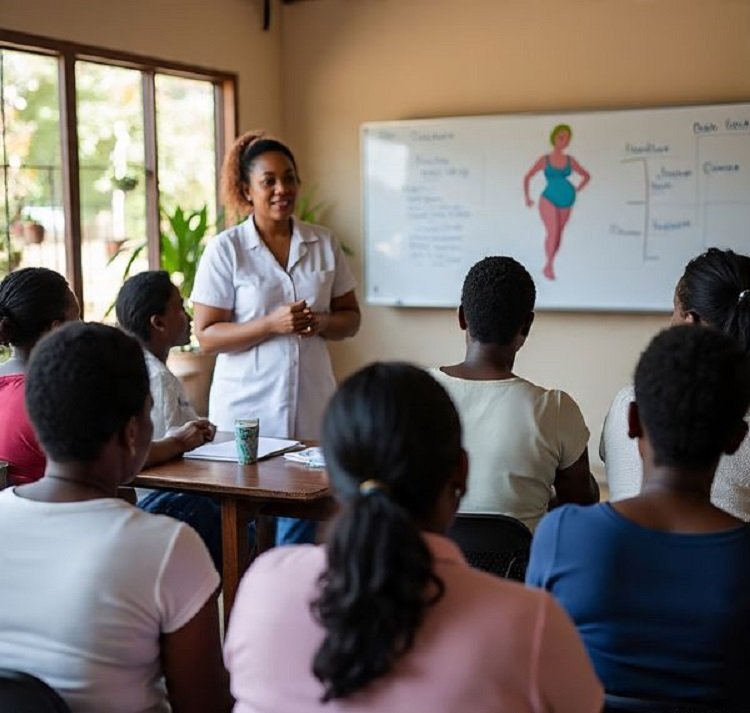
Maternal mortality is a vital issue in health of the population all over the world. Pregnancy-related deaths are claimed each year by hundreds of thousands of women. However, a large part of these mortalities can be avoided with well structured community health measures. Grassroots include not only mobile health clinics, but also trained birth attendants and community education, which all are the necessary parts of closing the gap between policy and practice.
This is the only survivable route towards the life-saving care in numerous low-resource settings. They do not just deal with the current health emergency but also assist in the development of sustainable structures that can lower maternal mortality in future. This article discusses the importance of grassroots health strategies in achieving a quantifiable impact on maternal survival and the relationship of those initiatives with national policy to establish a holistic environment regarding maternal health.
Understanding the Scope of Maternal Mortality
Global Statistics and Disparities
Maternal mortality has fallen in the last twenty years, and across the globe, it is becoming more and more continuous, though there are changes among certain countries as well as regions. The World Health Organization estimated that 287,000 women lost their lives in 2020 in pregnancy or childbirth which is a determining factor of medical and social disparities.
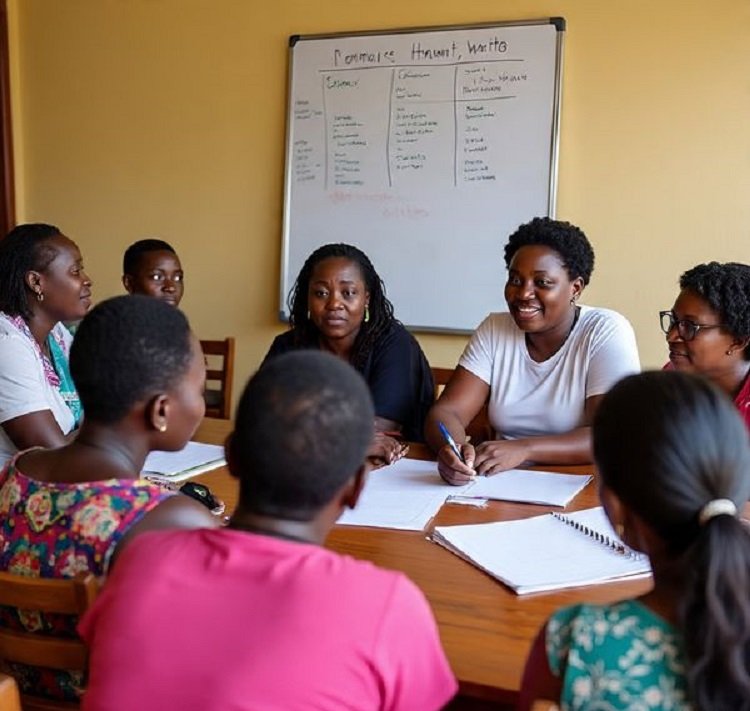
The areas which comprise most of these deaths are Sub-Saharan Africa and some parts of South Asia, where mostly due to lack of skilled care, medical interventions and poor health infrastructure resources. Rural communities and the poor more generally, and marginalized communities in particular, are especially at risk, with women potentially being forced to travel long distances to visit a health facility, or not able to do so due to the lack of finances, cultural, or logistical reasons.
The Role of Community Interventions
As much attention has been drawn to high-tech hospitals and urban centers as locations of many programs, community-based interventions have been proven repeatedly to reveal that even modest, local efforts can be able to save lives. The efforts aid to:
- Detecting early complications
- Ensure on time referrals
- Teach families and women about various danger signs
- Acquire communities and health workers’ trust
Those programs frequently act as a liaison between the secluded communities and the larger healthcare system so that life-saving care can be available to those who need it the most.
Mobile Clinics: Bringing Care to the Doorstep
The Power of Mobility
The use of mobile clinics has been one of the most successful community health interventions but took too long to happen. These units are well prepared to provide antenatal care, basic diagnostic services, immunizations and even in some cases minor emergency treatment.
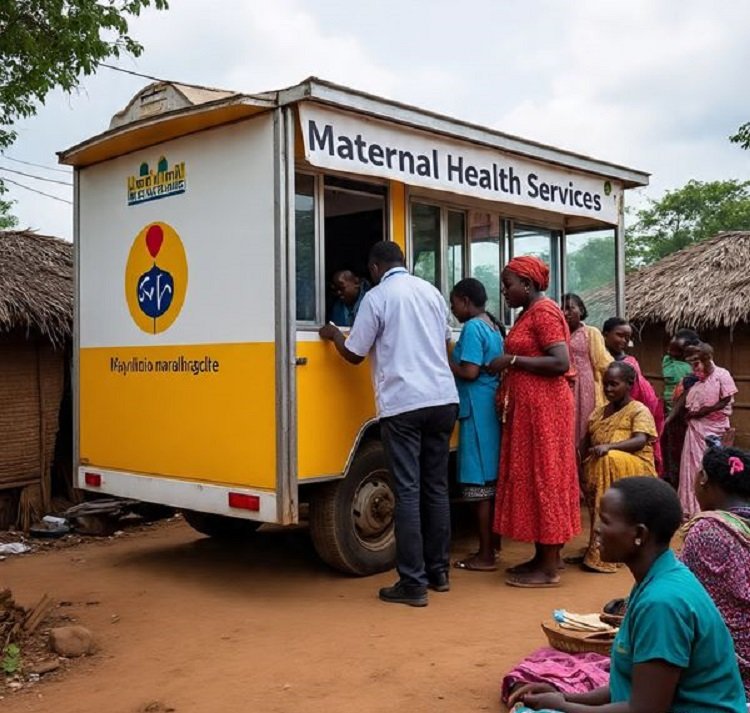
Mobile clinics have overcome geographical obstacles in geographical regions where transport is very limited, and the distance to hospitals is interminable. They are able to be rotated to travel to far-fled villages in order to provide and maintain care.
Case Study: Ethiopia’s Mobile Health Units
Ethiopia has been serving as an example of how mobile health units should be integrated in the national health strategy. Health Extension Program of the country involves mobile teams that go to distant communities and offer services on maternal and child health.
Mobile clinics have led to a decline in the rate of maternal mortality in areas like Afar and Somali that have traditionally been deprived of medical assistance by nomadic cultures. Women who have given birth at home previously without the assistance of a skilled provider will now be more inclined in paying a prenatal visit and giving birth in the presence of a professional.
Data on other districts in Ethiopia indicates that there was a marked reduction in maternal mortality and an increase in antenatal coverage in the areas that were the beneficiary of the mobile clinics.
The Impact of Trained Birth Attendants
Beyond Traditional Practices
Traditional birth attendants (TBAs) the birth attendants in most of the societies have been the traditional caregivers in case of childbirth. But they are sometimes not able to deal with such complications as haemorrhage, impeded Labor or infections without any medical training.
TBAs trainings in contemporary obstetric practices and referral vaccination of TBAs to health facilities by modern health facilities are transforming maternal health outcomes. Training includes:
Identifying familiar warning signs
- Delivery sterilized practices
- Instant postpartum care
- Family planning counselling
Case Study: Bangladesh’s Skilled Birth Attendant Initiative
The National Skilled Birth Attendant Program initiated by Bangladesh has played a central role in cutting on maternal deaths. The government agency and NGOs partnership saw thousands of community health workers and TBAs trained to offer safer deliveries and to refer complex cases to hospitals.
A study in rural districts revealed that maternal death decreased substantially in areas where there were skilled attendants. Trained TBAs did not only provide normal deliveries with increased safety, but their presence also created trust in communities and encouraged more women to use professional care.
Notably both the local training and national policy objectives are aligned in the program of Bangladesh, which forms a smooth system between grass roots and the government.
Community Education and Maternal Health Literacy
Knowledge as a Lifesaving Tool
Women are usually not able to seek care in time due to a lack of knowledge. The delays in the assessment of danger signs, the decision to seek help, or attain a healthcare facility are a cause of many death cases to mothers.
This is a problem that community education programs address. They educate the women, the families and the heads of communities on:
- Alerted signs during pregnancy
- Benefits of prenatal care
- Plans for birth
- Post-partum care and new-born health
The modes/methods adopted by such programs are varied such as group meetings, home visits, dramas, as even mobile phone messaging to pass on the knowledge.
Case Study: Uganda’s Village Health Teams
Village Health Teams (VHTs) in Uganda contribute significantly in maternal mortality by enlightening the women on maternal health. VHTs are the health community workers who receive training on the provision of health messages, identification of pregnant women and linking them to health services.
In eastern Uganda, a certain type of intervention entailed the monthly visit of VHTs to dwellings to talk about issues of maternal health. The presence of VHT programs in areas resulted in antenatal visits as well as institutional deliveries that reduced the maternal mortality rates.
Integrated Approaches: Connecting Community and National Systems
The Importance of Coordination
Although local interventions are extremely powerful, they are most effective when incorporated into larger health systems. The programs in the community need:
- A standardised support policy
- Long lasting funding
- Trustful supply chain for equipment and drugs
- Network referrals for high level of caring
Community efforts without such connections may not yield so much and may turn out to be quite isolated.
Case Study: Nepal’s Safe Motherhood Program
Nepal provides a good case of assimilation. It has a Safe Motherhood Program that takes into consideration:
- Primary community health workers
- Institutional incentives for deliveries
- Maternal health services for free in public facilities
- Frequent evaluation and observations
The US as well as Nepal have achieved this, especially Nepal, by an audit of community actions in support of national health priorities, which has seen a dramatic decrease in the percentage of maternal mortality. The community health volunteers also take the women in the remote areas through pregnancy and make timely referrals during complications.
Challenges in Sustaining Community Interventions
Funding and Resource Limitations
There are so many community health programs which depend on outside donors. Successful interventions may come to an end when the funding runs short and hard-earned propositions may be cancelled. The international organizations and governments will need to collaborate to make it sustainable.
Cultural Barriers
There are instances when cultural practices do not match with modern medical advice. As an illustration, in certain areas, women are supposed to deliver at home because of culture or family insistence. Intervention with the community should be done in a manner that is tolerable to the local cultural understanding and local leaders should also be involved.
Data and Monitoring Gaps
Correct data is also essential in determining the best interventions to use. Nevertheless, there are a lot of low-resource settings without reliable systems of gathering health-related information, and it becomes a challenge to assess progress and detect newly emerging issues.
The Road Ahead: Building Resilient Maternal Health Systems
Leveraging Technology
Technology provides community personnel with fresh equipment to enforce community interventions. With mobile phones health workers:
- Updating for prenatal appointments
- Report or alert complications immediately
- Bring quick health education messages
Telemedicine is opening new care opportunities to remote communities and connecting local workers with urban center specialists.
Training the Next Generation
There is the need to continuously train community health programs. Youths, especially girls are supposed to be empowered to work as health workers. This does not only solve staffing problems but also has a sense of communities owning maternal health solutions.
Policy Commitment
Finally, there should be political will to save the lives of mothers. Maternal health should be one of the priorities of governments in national budgets and policies, with community programs being accorded the necessary support and scaled.
Conclusion
Maternal deaths are not an insolvable issue. The community health interventions have shown the ability and strength of saving lives in various regions. Whichever method deployed, mobile clinics, independently skilled birth attendants or education programs, community-based organizations redirect targeted solutions to where they are most required.
The most successful methods of these local approaches are those linked to national health systems, which means a sustainable approach, the appropriate referrals, and lasting effects. There is genuine hope of all the communities, governments and international collaborators, to bring an end to the preventable deaths of new mothers.
We are at a historic point, where the technology is rising and the community networks are getting stronger. We know how to and possess tools to make sure pregnancy and childbirth are safe in every place and with every woman. The question is not can we prevent maternal deaths- the question is whether we will really do the same.