Introduction
When we think of landscapes, we often picture vibrant gardens, towering trees, and lush greenery. But what happens when a tree becomes more of a hazard than an asset? Tree removal, often overlooked and misunderstood, is a vital aspect of maintaining a safe, functional, and beautiful environment. It’s not just about chopping down a tree; it’s a blend of science, expertise, and care for the environment.
This blog explores the broader significance of tree removal beyond basic how-to guides. We’ll uncover why it’s more than just a maintenance task, discuss the unique challenges involved, and highlight its surprising impact on our safety, ecology, and property value.
Redefining Tree Removal
More Than a Chainsaw and a Ladder
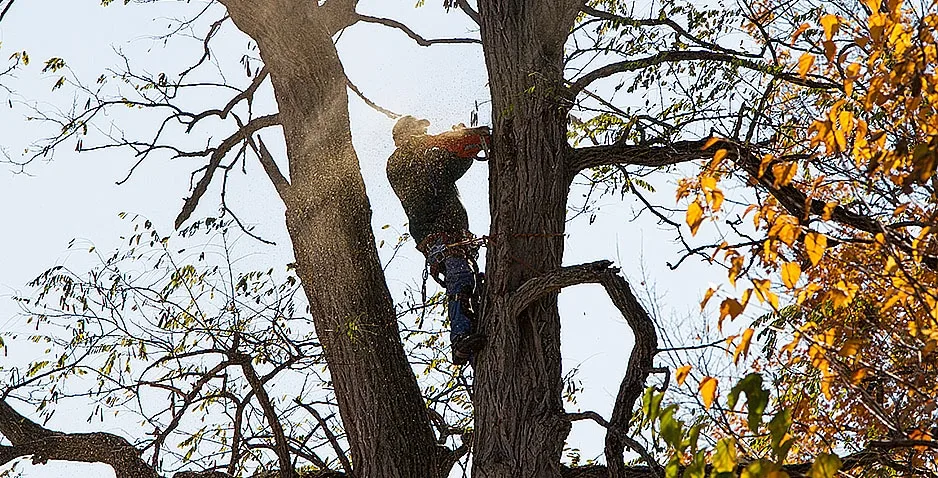
Tree removal might appear straightforward at first glance, but there’s an entire ecosystem of considerations involved. It’s not just about cutting a tree; it’s about making informed decisions based on factors such as tree health, location, and its impact on the surrounding environment.
Professionals in this field don’t merely wield chainsaws; they employ arborists trained in biology, engineering, and environmental science to assess risks while maintaining ecological balance.
Key services in tree removal include:
- Tree Assessment: Checking the tree’s health, potential risks, and disease factors.
- Precision Removal: Planning cuts and using equipment without harming nearby structures or landscapes.
- Stump Management: Grinding or removing stumps to prevent regrowth or pests.
The Hidden Complexity of Tree Removal
Did you know that removing a large or decaying tree might involve cranes, ropes, and specialized tools? Inclement weather, tight spaces, or proximity to utilities all add layers of complexity. Tree removal experts don’t just require knowledge of trees; they need a keen understanding of physics, machinery, and geometry.
Consider the following challenges often encountered in professional tree removal:
- Urban Spaces: Trees in tight neighborhoods make removal risky for nearby homes and electrical lines.
- Old Growth: Historical or massive trees require additional care to minimize ecological disruption.
- Hidden Decay: Rot and disease can make trees unpredictable and prone to collapsing during removal efforts.
Why Tree Removal Matters
1. Safety First
Dead or damaged trees pose significant safety risks. Falling branches or trees can cause injuries, damage homes, or disrupt utility lines. Recent data shows that falling trees are responsible for thousands of property damage claims annually in the United States. Investing in proactive tree removal can help avoid such costly events.
2. Maintaining Property Value
Healthy, well-maintained trees can improve property value, but sick or overgrown ones can have the opposite effect. A neglected or hazardous tree may deter potential buyers who see it as future trouble. Tree removal is often necessary to preserve curb appeal and ensure the landscape adds to your property’s aesthetic and monetary value.
3. Ecological Balance
Fascinatingly, tree removal can sometimes be good for the environment. It prevents the spread of diseases to surrounding thriving flora and creates room for younger vegetation to grow. Professionals often adopt sustainable methods, ensuring that reusable wood is repurposed and minimal ecological disruption occurs.
4. Mitigating Infrastructure Issues
Roots growing too close to homes can crack foundations, disrupt underground pipes, or ruin pavements. Similarly, tree overgrowth can block visibility, especially near driveways or streets, creating safety hazards. Removal can mitigate these risks and keep infrastructure secure and functional.
Unexpected Benefits of Tree Removal
Supporting Urban Development
As cities expand, space becomes a premium. Tree removal often makes way for community projects like parks, schools, or residential neighborhoods. While clearing trees can feel controversial, the addition of more functional spaces benefits communities when conducted responsibly.
Wildlife Preservation
Sometimes, a decaying tree is a hazard not just for humans but also for local wildlife. Removing such trees ensures birds, squirrels, and other creatures aren’t living in unsafe environments. Responsible practices include relocating wildlife before removal and encouraging new growth where possible.
Enabling Renewable Resources
Felled trees can become lumber, mulch, wood chips, or biodegradable products. These materials power various industries sustainably. For example, wood chips from tree removal can be used for making paper or bioenergy.
The Role of Technology and Innovation
Tree removal has come a long way from being solely reliant on manual labor. Modern technologies are transforming this field, ensuring efficiency and safety.
Advances in Equipment
- Cranes with Precision Tools make it easier to work on tall or precariously located trees.
- Remote-controlled arborist Tools reduce safety risks by allowing work from a distance.
Drones for Assessment
Drones are now used to assess trees from angles otherwise impossible to see with the naked eye. They provide detailed imaging of tree health, helping professionals identify weak points without climbing.
Eco-Friendly Practices
Companies are adopting innovative practices such as tree “recycling,” where the wood is repurposed into usable materials, minimizing waste. Sustainable tree removal also includes planting replacement trees to maintain greenery equilibrium.
The Ethical Side of Tree Removal
When done responsibly, tree removal doesn’t have to be destructive. Many communities set guidelines to ensure ecological protection. Ethical removal strategies include strict permits, routine audits, and reforestation efforts. Professionals are also working to educate clients on the importance of sustainability.
For instance, certified arborists often recommend tree pruning or crown reduction as alternatives if removal isn’t necessary. This helps retain trees while addressing potential risks.
Taking Tree Removal Beyond Maintenance
Tree removal is more than keeping houses safe or clearing up yard space. Tree Removal plays a pivotal role in landscape management, urban planning, and ecological preservation. Through advances in technology, ethical practices, and professional expertise, tree removal has evolved into a multifaceted service essential to modern living.
Whether addressing safety hazards, enhancing property values, or enabling ecological balance, thoughtful tree removal serves as both an art and a necessity.
Practical Tips
If you’re considering tree removal, here’s how to ensure it’s done right:
- Consult a certified arborist to assess your needs.
- Ensure the company you hire follows sustainable practices.
- Explore alternative options like pruning or root management when possible.