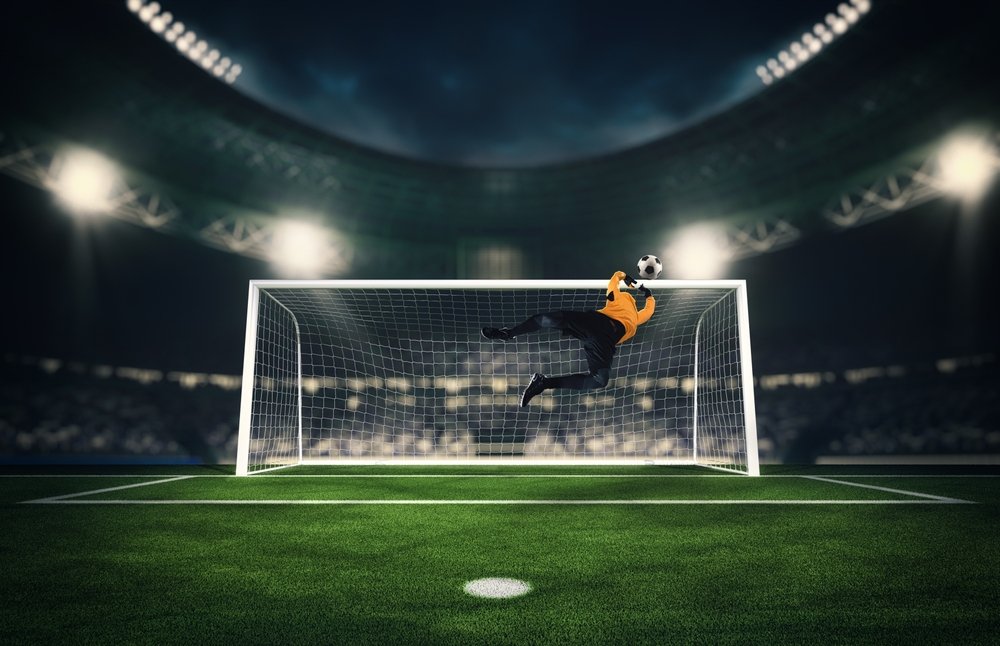
Being a goalkeeper isn’t an easy job. Because despite their countless efforts somewhere, their efforts remain unnoticed. However, the goalkeepers have a significant role in taking the game to the next level. But do you know how a goalkeeper becomes great? Not just relying on reflexes but instead using innovative strategies and strong mental skills to stay at the top corner of the game. However, in this blog, we’ll learn advanced goalkeeping techniques, such as the psychological tricks to stay focused during the game and how to treat yourself like a professional goalkeeper. So, whether you are a beginner or an experienced keeper, these tips will help you improve your game to a greater extent.
Advanced Goalkeeping Strategies
Positioning: The Key to Making Easy Saves
Good positioning can make even the most complex shots easier to stop. Here’s how to improve your stops further to enhance your skills as a goalkeeper.
- Stay on your toes – Always be ready to move quickly. So, if you get a chance, jump out.
- Angle play – Narrow the shooter’s options by cutting down their angles. Use proper strategy to make an appropriate play.
- Stay near the goal line – Don’t rush out too early unless necessary. This can provoke the risk of getting the goal hit.
For enhanced goalkeeping skills, try to watch and learn professional goalkeepers like Manuel Neuer or Alisson Becker, the GOAT of football whom you notice rarely caught out of their position.
Reading the Game Like a Pro
Top goalkeepers predict where the ball will go before it’s even shot. How?
- Watch the striker’s body language – Their hips and eyes often show where they’ll shoot. Most of the time, the predictions align with their actions.
- Study opponents – Learn their favourite shooting spots in penalty situations. To analyze them properly, it might take you to look at them once or twice.
- Communicate with defenders – Communication is the key to a transparent and ethical game. Shout instructions to organize your defence.
Mastering Different Types of Saves
Not all saves are the same. Train for these situations. You must adhere to the proper football rules and regulations along with appropriate training.
- Low dives – For hard, ground-level shots.
- High jumps – For powerful shots near the crossbar.
- One-on-one saves – Stay big, spread your arms, and wait for the striker to make the first move.
Psychological Tricks for Goalkeepers
Staying Confident After Mistakes
Even the best goalkeepers concede goals. The difference? They bounce back fast.
- Forget the last goal – Focus on the next play.
- Use positive self-talk – Say things like, “I’ve got this next shot!”. These aren’t just words but will encourage you further to achieve more in the game.
- Breathe deeply – Calm your nerves before the next attack. To get panicked, try to face reality.
Handling Pressure in Big Moments
Penalty shootouts and last-minute saves can be nerve-wracking. Here’s how to stay cool:
- Routine is key – Develop a pre-save routine (e.g., tapping the posts, taking deep breaths. Make sure that you practice a proper routine to stay ahead.
- Visualize success – Imagine making great saves before the game. This doesn’t build overconfidence but creates self-confidence in the individuals.
- Stay aggressive – Don’t freeze; attack the ball confidently, and a bit of healthy aggressiveness is mandatory in the game.
Dealing with Crowd Pressure
Fans will shout, boo, or cheer—don’t let it distract you.
- Tune out the noise – Focus only on your game, and never get distracted from your goal. Try to avoid all the background noises.
- Use crowd energy – Let loud cheers motivate you instead of scaring you. Better see only the bright sides of them.
Training Like a Pro Goalkeeper
Drills to Improve Reflexes
- Reaction ball drills – Bounce a tennis ball against a wall and catch it unpredictably. As this will help improve your prediction.
- Quick feet ladder drills – Improve foot speed for fast dives. For that, try doing feet ladder drills.
- Saves under fatigue – Practice diving after sprints to mimic game exhaustion. Also, rest in between to keep you engaged rather than burn you out.
Strength and Conditioning
Goalkeepers need power and agility. Try:
- Plyometric jumps – For explosive leg strength. They provide impressive leg strength for a better leg shot and power during the game.
- Core workouts – A strong core helps with diving and stability. It also helps with making stronger and proper shots in the game.
- Grip exercises – Strong hands mean fewer dropped balls. Hence, practice grip drills to enhance your grip.
Mental Training
- Watch game footage – Study your performances and learn.
- Meditation – Helps with focus and calmness. It also keeps you focused during the game.
- Set small goals – Like “clean sheets” (no goals conceded) in training matches. This will motivate you to do and achieve more as you complete it individually.
Being a great goalkeeper isn’t just about quick reflexes. But it is also about other things, such as clever positioning, mental toughness, and constant training during the game. Using these advanced strategies and psychological tricks will make you more confident and reliable in your goal. cricket game
Even the best keepers make mistakes. What makes them great is how they recover and keep going. Now, get out of there and train like a pro! I hope the blog helped you.
Thank you!