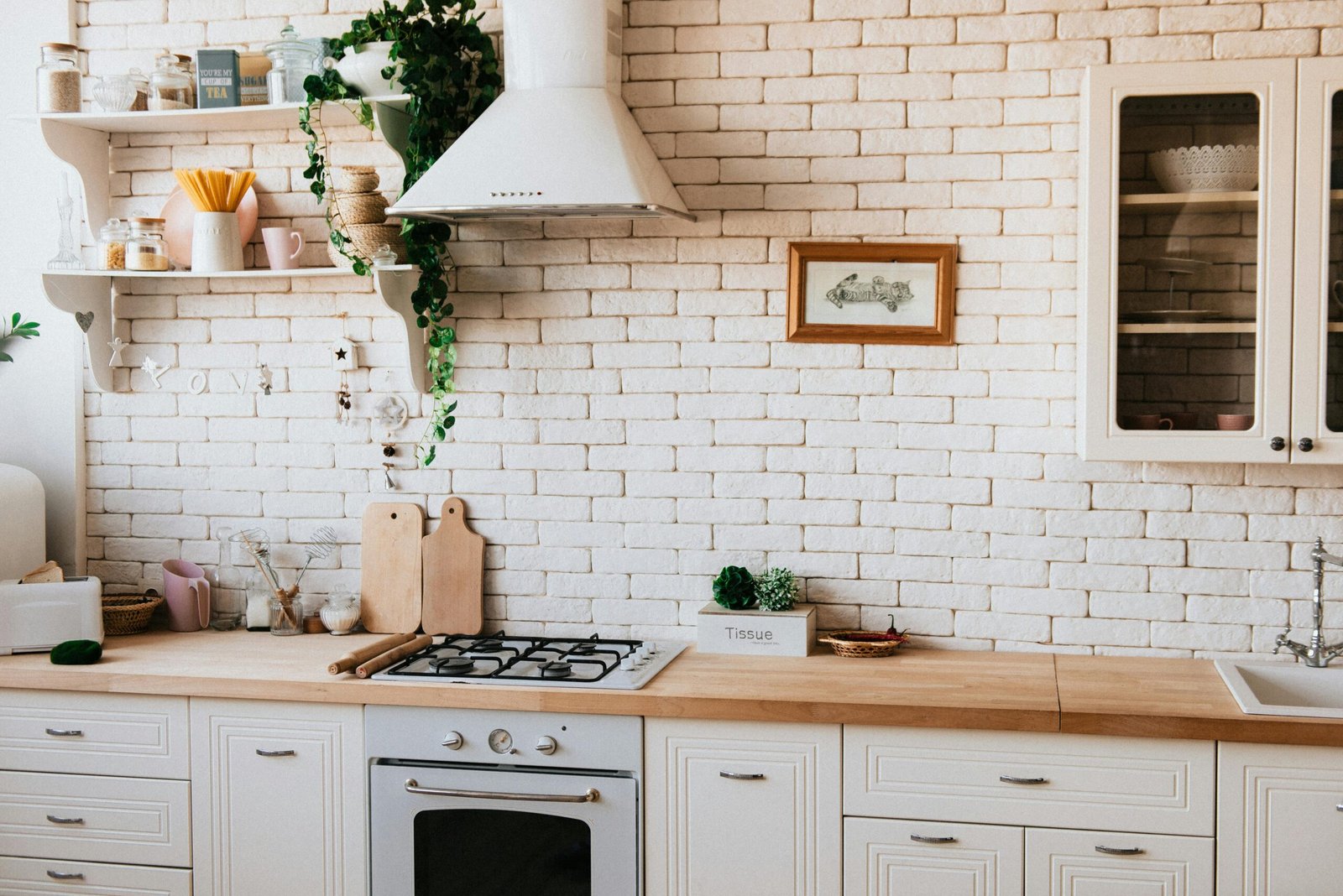
A cluttered pantry can turn meal prep into a scavenger hunt. Whether you’re cooking dinner or packing school lunches, disorganized shelves can lead to wasted time, expired food, and a whole lot of frustration. The good news? You don’t need to be a professional organizer to whip your pantry into shape. With a few smart strategies and simple tools, anyone can create a pantry that’s functional, tidy, and even a little Pinterest-worthy.
Here’s how to organize your pantry like a pro—even if you’ve never alphabetized a spice jar in your life.
Step 1: Empty Everything Out
Before you organize, you need a clean slate. Start by taking everything out of your pantry. Yep, everything. Place items on your counters or table so you can see exactly what you’ve been storing.
Why it matters: You’ll be surprised how many duplicates, expired goods, or forgotten snacks you’ll uncover. It’s the perfect time to declutter and start fresh.
Step 2: Clean and Take Inventory
With your pantry empty, give those shelves a good wipe down. Crumbs, spills, and sticky jars can add to the chaos, so a clean space sets the stage for better organization.
Next, take stock of what you actually have. Group items into general categories—canned goods, grains, baking supplies, snacks, spices, etc. This will help you plan your layout and identify what needs better storage.
Step 3: Toss the Expired and Donate Extras
This is your permission to get ruthless. Toss anything past its expiration date or looking a little questionable (hello, mystery pasta from 2019). For duplicates or foods you know you won’t use, donate unopened items to a local food bank.
Pro tip: Keep a notepad nearby to jot down anything you’re low on or want to replace. That way, your next grocery run is already halfway planned.
Step 4: Group Like Items Together
Now that you’ve decluttered, it’s time to think categories. Professional organizers often swear by the “store by zone” method. This simply means grouping similar items together so everything has a logical home.
Here are some common pantry zones to consider:
- Baking essentials (flour, sugar, baking powder)
- Breakfast items (cereal, oats, pancake mix)
- Snacks (chips, granola bars, dried fruit)
- Canned goods (beans, veggies, soups)
- Grains and pasta
- Spices and seasonings
- Condiments and sauces
- Backstock (extras and bulk items)
When every item has a “zone,” it’s easier to find what you need—and keep it that way.
Step 5: Choose the Right Containers
You don’t have to drop a fortune on matching jars and baskets (unless you want to). But having the right containers can make a big difference in how your pantry looks and functions.
Top container picks:
- Clear airtight containers for dry goods like flour, rice, or pasta. These not only keep food fresh but let you see how much you have.
- Baskets or bins for loose items like snacks, sauce packets, or kids’ lunch items.
- Lazy Susans for oils, vinegars, or spices—perfect for corners.
- Can risers or tiered shelves to easily see what canned goods you have.
- Labels (either printed or handwritten) to make sure everything goes back in its place.
Budget tip: Dollar stores, discount chains, and even repurposed containers can help you stay organized without overspending.
Step 6: Arrange Items by Use
Once you’ve chosen your storage containers, it’s time to put everything back—strategically.
- Eye-level = Everyday: Keep your most-used items at eye level for easy access. Think snacks, coffee, or lunch staples.
- Up high = Extras: Reserve the top shelves for backstock or rarely used items like specialty baking tools or holiday treats.
- Down low = Heavy: Store heavier items like bottles of oil or canned goods on lower shelves to avoid accidents.
For families with kids, consider creating a snack bin at kid height so they can help themselves (and give you a break).
Step 7: Label Everything
Labels are more than just pretty—they’re practical. They help everyone in your household know where things go, which keeps your system from falling apart in a week.
Label bins, containers, and even shelves if needed. You can go as fancy or simple as you like—chalkboard labels, label makers, or even painter’s tape and a Sharpie will do the trick.
Step 8: Maintain With a Weekly Check-In
Now that your pantry looks and functions like a pro’s, the real challenge is keeping it that way. Set aside 5–10 minutes each week (maybe on grocery day) to:
- Toss expired items
- Wipe up spills
- Return rogue items to their proper zones
- Update your shopping list based on what’s running low
This small habit keeps your pantry from slipping back into chaos.
Bonus Tips for Pro-Level Pantry Perfection
- Use shelf liners to make cleanup easier and protect shelves.
- Decant smartly: Only decant foods you use often (like flour or cereal). If you decant everything, it becomes harder to track expiration dates.
- Keep a running inventory on a dry-erase board or inside your pantry door. Great for meal planning!
- Try a FIFO (First In, First Out) method with canned goods to reduce waste.
- Make it pretty if you want! A few aesthetic touches—coordinated baskets, matching jars, even a pop of wallpaper—can turn pantry organization into a feel-good win.
Final Thoughts
You don’t need a walk-in pantry or a home makeover show budget to get organized. With a little effort, some smart storage solutions, and a commitment to keeping it tidy, your pantry can function like a pro’s—and make your daily life a whole lot easier.
So roll up your sleeves, cue your favorite playlist, and start transforming your pantry into a space that works for you. Because a well-organized pantry isn’t just about neat shelves—it’s about simplifying your life, one snack bin at a time.