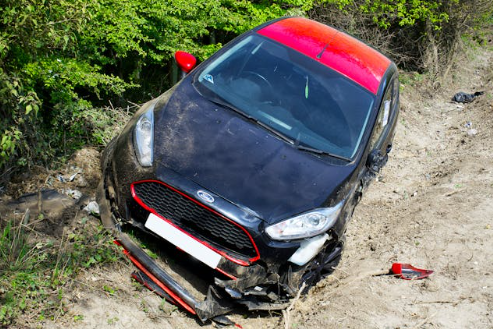
A motor vehicle accident can be a traumatic and overwhelming experience. Whether it’s a minor fender-bender or a serious collision, the moments after the accident are crucial in determining the outcome of insurance claims, medical treatments, and legal responsibilities. Many people make mistakes due to stress, confusion, or a lack of knowledge, which can lead to financial losses, legal troubles, or even long-term health complications.
To help you navigate this difficult situation, here are the top five mistakes people make after a motor vehicle accident and how to avoid them.
1. Not Calling the Police
One of the biggest mistakes people make after an accident is failing to call the police. Some drivers assume that if the accident is minor, they don’t need to report it. However, this can lead to serious problems later.
Why This is a Mistake:
- A police report serves as an official record of the accident, which is crucial for insurance claims and legal disputes.
- The other driver may admit fault at the scene but later deny responsibility. Without a police report, proving what happened becomes more difficult.
- In some places, failing to report an accident can result in legal penalties, especially if someone is injured or property damage exceeds a certain amount.
What to Do Instead:
- Call 911 and report the accident, even if it seems minor.
- Wait for the police to arrive and provide an accurate and honest statement of what happened.
- Request a copy of the police report for your records.
2. Failing to Gather Evidence
Another common mistake is not collecting enough evidence at the scene. Many people assume that their insurance company or the police will take care of everything, but having your own evidence can be essential.
Why This is a Mistake:
- Insurance companies rely on evidence to determine fault and assess damages. If you don’t have proof, you could be held responsible for an accident you didn’t cause.
- If the other driver gives false information or leaves the scene, you may not be able to track them down later.
What to Do Instead:
- Take photos of:
- The damage to all vehicles involved.
- The accident scene, including traffic signs, road conditions, and any skid marks.
- Any visible injuries.
- Exchange information with the other driver, including:
- Name, phone number, and address.
- Driver’s license and vehicle registration.
- Insurance details.
- Get witness statements if possible. Witnesses can help confirm what happened if there is a dispute.
3. Admitting Fault or Apologizing
Many people instinctively apologize after an accident, even if they didn’t cause it. While this may seem polite, it can be interpreted as an admission of guilt and used against you later.
Why This is a Mistake:
- Even if you think you were at fault, you may not have all the facts. There could be other factors, such as the other driver’s negligence, road conditions, or mechanical failures.
- Insurance companies and lawyers can use your apology to argue that you accepted blame, which could affect your compensation.
What to Do Instead:
- Stay calm and stick to the facts. Instead of apologizing, say something neutral like:
- “Are you okay?”
- “Let’s exchange information.”
- “I will wait for the police to arrive.”
- Let the authorities and insurance adjusters determine fault.
4. Delaying Medical Treatment
Some accident victims don’t seek medical attention because they feel fine at the scene. However, injuries like whiplash, internal bleeding, or concussions can take hours or even days to show symptoms.
Why This is a Mistake:
- If you wait too long to see a doctor, insurance companies may argue that your injuries are not related to the accident.
- Untreated injuries can worsen over time, leading to chronic pain or long-term health issues.
- A lack of medical records can weaken your case if you need to file an injury claim.
What to Do Instead:
- See a doctor as soon as possible, even if you feel okay. Some injuries are not immediately noticeable.
- Follow all medical recommendations and attend follow-up appointments.
- Keep copies of all medical reports, prescriptions, and receipts as proof of treatment.
5. Not Consulting a Lawyer
Many accident victims assume that they don’t need legal help if they have insurance. However, insurance companies prioritize their profits, and they may try to minimize your compensation. Without legal guidance, you could end up accepting a low settlement or struggling to get the benefits you deserve.
Why This is a Mistake:
- Insurance companies may offer a quick settlement that is lower than what you are entitled to.
- If the other driver disputes liability, you may need legal help to prove your case.
- If you suffered serious injuries, a lawyer can help you calculate future medical expenses, lost wages, and other damages.
What to Do Instead:
- If you are unsure about your rights, consult a lawyer before speaking to insurance adjusters.
- A personal injury lawyer can help you:
- Negotiate a fair settlement with insurance companies.
- File a lawsuit if necessary to recover damages.
- Understand your legal options if you face complications.
- To get professional legal advice, you can contact firms like Kalsi and Associates for guidance on personal injury claims.
Final Thoughts
A motor vehicle accident is a stressful event, but making the right decisions in the aftermath can protect your health, finances, and legal rights. Avoiding these five common mistakes can make a significant difference in how your case is handled and ensure you receive the compensation you deserve.
By calling the police, gathering evidence, avoiding admissions of fault, seeking medical treatment, and consulting a lawyer when necessary, you can navigate the aftermath of an accident with confidence and security.