Starting a bakery business involves many decisions, and one of the most important is selecting the right packaging for your bread. The packaging you choose not only protects your product but also influences customer perception and brand identity. This guide will help you make informed decisions about bread packaging to ensure your bakery stands out in a competitive market.
Understanding the Importance of Packaging in the Bakery Industry
Packaging plays a crucial role in the bakery industry. It is the first thing customers notice about your product. Good packaging ensures that your bread stays fresh, maintains its shape, and reaches customers in perfect condition. It also serves as a marketing tool, conveying your brand’s values and attracting potential buyers.
When selecting packaging, consider factors like durability, functionality, and visual appeal. For instance, a sturdy material will prevent damage during transportation, while an attractive design can make your product stand out on store shelves. Additionally, eco-friendly options are becoming increasingly popular, as customers prefer sustainable choices. By understanding the importance of packaging, you can make decisions that benefit both your business and your customers.
Evaluating Different Types of Packaging Materials
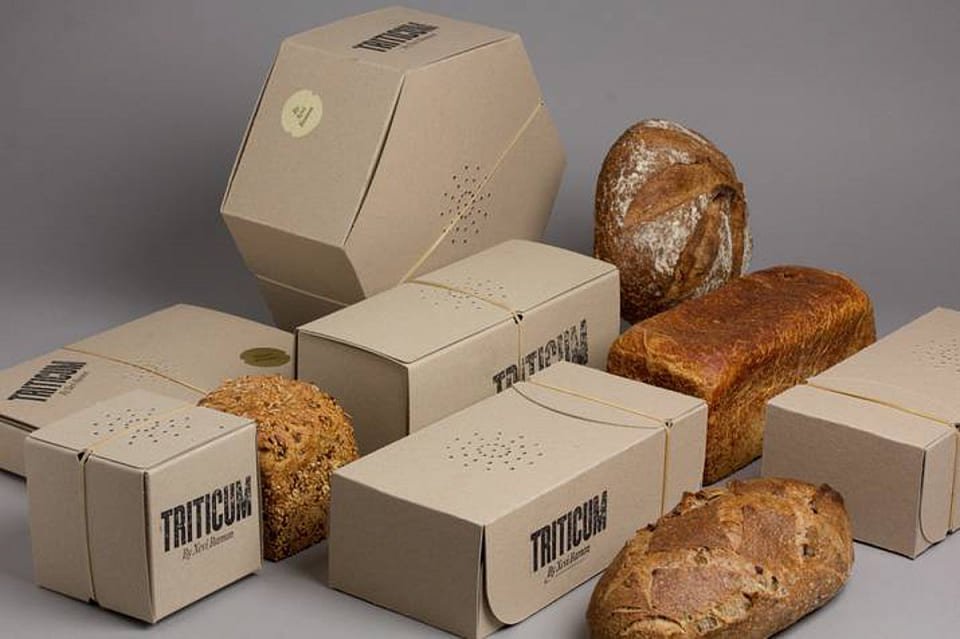
There are various materials available for bread packaging, each with its own advantages and disadvantages. Common options include plastic, paper, and biodegradable materials. Plastic is durable and cost-effective but may not align with eco-conscious consumer preferences. Paper, on the other hand, is recyclable and offers a rustic appeal, making it ideal for artisanal bakeries.
Biodegradable materials, such as compostable films or plant-based plastics, are gaining traction due to their environmental benefits. These materials break down naturally, reducing waste and appealing to eco-friendly customers. When choosing a material, consider your target audience, budget, and the type of bread you sell. For example, a high-end bakery might opt for premium materials to reflect its brand image, while a local bakery might prioritize affordability and sustainability.
Balancing Functionality and Aesthetics
While aesthetics are important, functionality should not be overlooked. Your packaging must protect the bread from moisture, air, and physical damage. At the same time, it should look appealing to attract customers. Striking this balance can be challenging but is essential for success.
For instance, clear packaging allows customers to see the product, which can increase sales. However, it may not provide adequate protection against light, which can affect freshness. Opaque packaging, on the other hand, offers better protection but hides the product. Consider using a combination of materials, such as a clear window on a sturdy paper bag, to achieve both functionality and visual appeal.
Considering Sustainability in Packaging Choices
Sustainability is no longer just a trend; it is a necessity. Customers are increasingly aware of environmental issues and prefer businesses that prioritize eco-friendly practices. Choosing sustainable packaging can set your bakery apart and build customer loyalty.
Look for materials that are recyclable, compostable, or made from renewable resources. For example, some bakeries use packaging made from recycled paper or biodegradable films. Additionally, reducing the amount of packaging used can also contribute to sustainability. By making environmentally conscious choices, you not only help the planet but also appeal to a growing segment of eco-aware consumers.
Designing Packaging That Reflects Your Brand
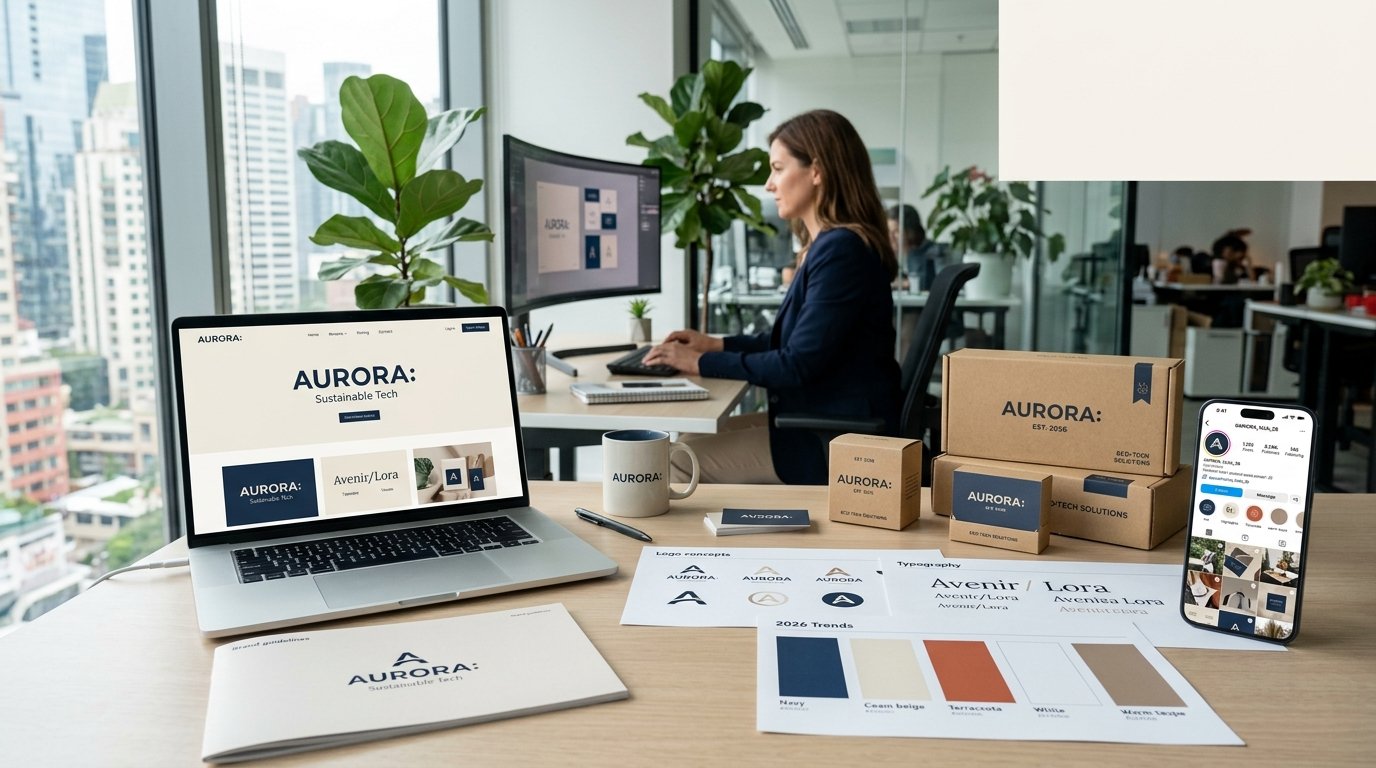
Your packaging is an extension of your brand identity. It should reflect your bakery’s values, style, and target audience. For example, a modern bakery might opt for sleek, minimalist designs, while a traditional bakery could choose rustic, handcrafted packaging.
Incorporate your logo, brand colors, and unique design elements to create a cohesive look. Custom packaging can also include additional information, such as ingredient lists or baking methods, to educate customers. Remember, your packaging is often the first interaction customers have with your brand, so make it memorable and representative of your business.
Ensuring Compliance with Food Safety Regulations
Food safety is a critical aspect of packaging. Your packaging must comply with local and international regulations to ensure the safety and quality of your bread. This includes using food-grade materials that do not leach harmful chemicals into the product.
Additionally, consider factors like shelf life and storage conditions. For example, bread that requires refrigeration will need packaging that can withstand moisture and temperature changes. By adhering to custom food boxes safety standards, you protect your customers and build trust in your brand.
Cost-Effective Packaging Solutions for Small Bakeries
For small bakeries, budget constraints can be a significant factor in packaging decisions. However, cost-effective solutions do not have to compromise on quality or aesthetics. Bulk purchasing, for instance, can reduce costs while maintaining consistency.
Another option is to use versatile packaging that works for multiple products. For example, a single type of bag or box can be used for different bread varieties, reducing the need for multiple designs. Additionally, partnering with local suppliers can lower transportation costs and support the community. By exploring these options, small bakeries can find affordable yet effective packaging solutions.
Leveraging Packaging for Marketing and Customer Engagement
Packaging is a powerful marketing tool that can enhance customer engagement. Creative designs, informative labels, and interactive elements can make your product more appealing. For example, QR codes on packaging can lead customers to your website or social media pages, increasing online visibility.
You can also use packaging to tell your brand’s story. Share details about your baking process, ingredients, or commitment to sustainability. This not only educates customers but also creates an emotional connection with your brand. By leveraging packaging for marketing, you can turn first-time buyers into loyal customers.
Staying Updated with Packaging Trends
The packaging industry is constantly evolving, with new materials, designs, and technologies emerging regularly. Staying updated with these trends can give your bakery a competitive edge. For example, smart packaging with temperature indicators or freshness sensors is becoming more popular.
Attend industry events, follow packaging blogs, and network with suppliers to stay informed. Experimenting with new trends can also help you discover innovative solutions that benefit your business. By keeping up with the latest developments, you can ensure your packaging remains relevant and appealing.
Conclusion
Choosing the right bread packaging for your bakery business is a multifaceted decision that requires careful consideration. From material selection and design to sustainability and compliance, each aspect plays a vital role in your product’s success. By prioritizing functionality, aesthetics, and customer preferences, you can create packaging that not only protects your bread but also enhances your brand. Stay informed about industry trends and continuously evaluate your packaging choices to ensure your bakery remains competitive and appealing to customers.