Sciatica and problems with discs are two of the most common reasons people have back pain. Each year, millions of people experience them. People who have been in pain for a long time need to get professional help right away. Here, a back specialist is very important for diagnosing, treating, and taking care of these problems. Find a “backache specialist near me” if you are having these problems. It could be the first step to a pain-free life.
Understanding Sciatica and Disc Issues
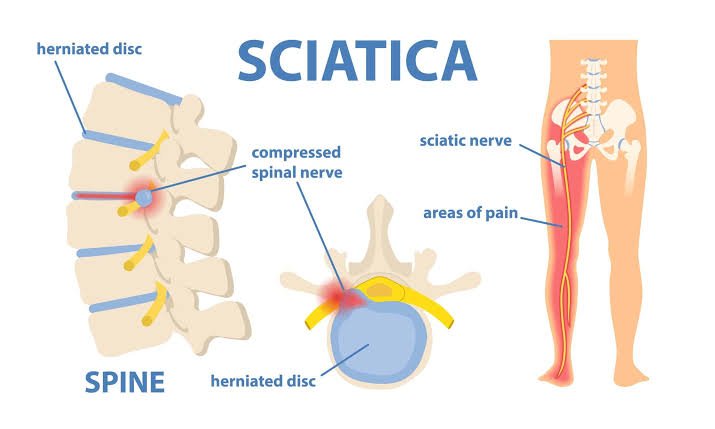
Back pain that goes down each leg along the sciatic nerve, which starts in the lower back and goes through the hips. This problem usually happens when the sciatic nerve is irritated or pressed upon because of a herniated disc, spine stenosis, or another spinal problem. There are different levels of pain, and the leg that is hurting often feels cold, tingly, or weak.
When you have disc problems, on the other hand, your spine’s discs often bulge or herniate. The disc is the soft cushion between the vertebrae in the spine. If it breaks or moves out of place, it can put pressure on nearby nerves, which can be painful, uncomfortable, and make it hard to move around. Problems with sciatica and discs can both make it hard to do daily things and have a big effect on a person’s quality of life.
The Importance of a Back Specialist
A back specialist, such as a chiropractor, orthopedist, or physical therapist, is trained to diagnose and treat conditions affecting the spine. Their role is critical in determining the root cause of your back pain and recommending a tailored treatment plan. Whether you are experiencing sciatica or a herniated disc, seeking help from a qualified back specialist is the best way to address the issue and prevent further damage.
1. Comprehensive Diagnosis
The first step in managing sciatica and disc-related issues is obtaining a proper diagnosis. X-rays, MRIs, and your medical history are some of the things that a back expert will use to figure out what’s causing your pain. By pinpointing the exact issue, a specialist can determine whether it is related to sciatica, a herniated disc, spinal stenosis, or another spinal condition.
2. Personalized Treatment Plans
After figuring out what’s wrong, a back expert will make a treatment plan just for you that fits your needs. For sciatica and disc problems, this plan may involve a combination of treatments, including:
- Physical Therapy: A back specialist may recommend targeted exercises to improve flexibility, strengthen muscles, and alleviate pressure on the spine. Physical therapy is often used to promote healing and prevent future injury.
- Pain Management: For immediate relief, a back specialist may suggest medications, injections, or other pain management techniques. To lower swelling and ease pain temporarily, nonsteroidal anti-inflammatory drugs (NSAIDs) or corticosteroid shots can be used.
- Chiropractic Adjustments: Chiropractors use spinal adjustments to get the spine back into the right position. This can help relieve pain from sciatica or disc problems and keep nerves from being pinched.
- Surgical Intervention: In more severe cases, when conservative treatments fail, a back specialist may recommend surgery. This can include discectomy (removal of a damaged disc), spinal fusion, or laminectomy to relieve pressure on the nerves and restore function.
3. Preventing Recurrence
A significant part of a back specialist’s role is to help prevent future problems. After your immediate pain is managed, they will guide you on how to maintain spine health and avoid aggravating your condition. This can include tips on how to stand, lift, and make your workplace more comfortable, as well as changes to your lifestyle, like losing weight and working out regularly.
4. Ongoing Care and Support
Managing sciatica and disc issues is not always a one-time fix. Ongoing care from a back specialist can be vital for long-term relief. Regular follow-up appointments, continued physical therapy, and lifestyle adjustments can help keep your spine healthy and prevent future flare-ups.
When to See a Back Specialist
It’s important to see a back expert if you have back pain that won’t go away, especially if it causes leg pain, numbness, or weakness. Searching for a “backache specialist near me” is a good first step toward getting the right care. A back specialist can assess your condition and offer both short-term pain relief and long-term management options.
In conclusion, the role of a back specialist is crucial in managing sciatica and disc issues. They provide expert diagnosis, personalized treatment plans, and ongoing support to help you overcome back pain and regain mobility. Don’t let back pain control your life—reach out to a qualified specialist and take the first step toward a pain-free future.