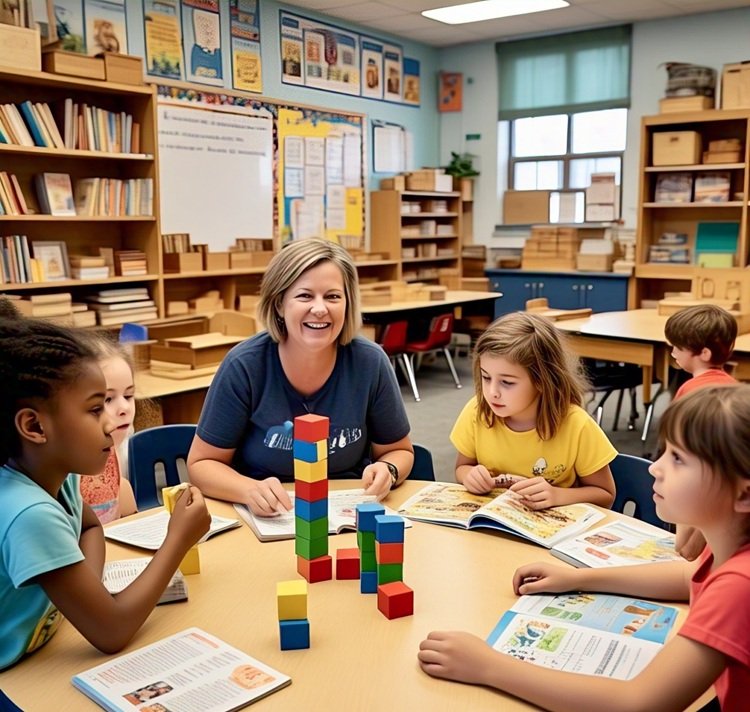
How can we help children become independent learners? Encouraging self-directed learning is key to developing skills that last a lifetime.
In today’s fast-changing world, independence is essential for children. A child who takes charge of their learning gains valuable skills. They learn to face challenges with confidence.
This builds critical thinking and problem-solving abilities. It also creates lifelong learning habits. By encouraging independence, we help children grow. Here are simple tips to support self-directed learning.
Encourage Choice
Let children make choices in their learning. They can pick a book, topic, or project type. This makes them feel more involved and motivated.
Choices give children a sense of control. They learn to take responsibility for their decisions. This builds confidence and independence.
Set Personal Goals
Help children set their own goals. They can focus on reading better or finishing a project. Breaking big goals into small steps makes them easier to reach.
Small tasks help children stay motivated. Each success builds their confidence.
They learn that hard work leads to progress. Over time, goal-setting becomes a habit.
Promote Problem-Solving
Teach children to solve problems on their own. Ask open-ended questions to make them think. Instead of giving answers, guide them to find solutions.
Exploring different ideas builds problem-solving skills. It helps children become independent thinkers.
They learn to handle challenges with confidence. They become better at making decisions.
Provide Resources
Give children the tools to find information on their own. Provide books, educational websites, or a library card. Teach them how to search for what they need.
Learning to find resources builds independence. It helps children explore topics with confidence.
They become less reliant on others for answers. Over time, they develop strong research skills.
Foster a Growth Mindset
Show children that challenges help them grow. Teach them to see failures as steps toward success. Remind them that effort leads to improvement.
A growth mindset builds confidence. It helps children stay motivated when things get tough. They learn to keep trying instead of giving up.
Create a Structured Environment
Set a structured environment for learning. Create a study schedule to help children focus. Keep a routine but allow some flexibility.
Structure helps children stay organized. It teaches them to manage their time.
They learn to set priorities and complete tasks. Over time, they become more responsible and independent.
Introduce the Concept of Reflection
Teach children to think about their learning. They can write in a journal or talk about their experiences. Reflection helps them see what works and what doesn’t.
Looking back on learning builds self-awareness. It helps children improve their study habits. They learn from mistakes and make better choices.
Model Independence
Show children how to learn on their own. Share your experiences and challenges. Let them see how you solve problems.
Children learn by watching adults. When they see independence, they copy it. This helps them build confidence in their abilities.
Celebrate Achievements
Celebrate every achievement, big or small. Recognize their efforts and hard work. This shows that independence brings rewards.
Celebrating boosts their confidence. It motivates them to keep learning. Children learn that their actions lead to success.
Encourage Collaborative Learning
Encourage group work and study sessions. Working together helps children learn from others. It also teaches important social skills.
Collaborative learning builds teamwork. Children learn to share ideas and solve problems together. It helps them communicate and respect different views.
Use Technology Wisely
Use educational technology to encourage learning. Interactive apps let children explore at their own pace. This helps them discover new topics.
Technology can be a fun way to learn. They can go at their speed and track their progress. They become more confident using tech for learning.
Create Opportunities for Decision-Making
Let children make decisions in everyday life. They can choose family activities or meals. This helps them feel confident in their choices.
Making decisions builds their independence. It teaches them to consider different options.
They become better at making thoughtful choices. They learn to take responsibility for their decisions.
Incorporate Real-Life Experiences
Involve children in real-life experiences. Take them to places like a science museum. This connects lessons to the real world.
Experiences make learning more interesting. They help children see how lessons apply outside the classroom. Children also get curious and want to explore more.
Encourage Critical Thinking
Give children puzzles and games to challenge their thinking. Games like chess or logic puzzles help them think critically. These activities teach problem-solving skills.
Critical thinking helps children make better decisions. It encourages them to analyze problems from different angles. They become better at finding solutions on their own.
Offer Diverse Learning Opportunities
Give children the chance to explore different subjects. They can try music, science, or sports. This helps them find what interests them.
Trying different activities encourages curiosity. It shows them that learning is fun and exciting. Over time, they become more open to exploring new things.
Teach Organizational Skills
Teach children how to stay organized. Show them how to make to-do lists or use planners. These tools help them manage their time and tasks.
Organizational skills keep children on track. They learn to prioritize and plan ahead. This helps them become more independent and responsible.
Promote Participation in Extra-Curricular Activities
Encourage children to join clubs, sports, or other activities. These activities help them build social skills. They also teach self-direction outside the classroom.
Extra-curricular activities promote teamwork and leadership. Children learn to manage their time and make decisions.
Enroll in a Study Skills Course
Consider enrolling your child in a study skills course for 4th and 5th graders. These courses teach ways to manage homework and tasks. They help children develop good study habits.
Study skills courses build time management. Children learn to stay focused and organized. These skills help them work independently and be more confident in school.
Empowering Future Learners
Fostering independence is key to a child’s success. These tips help parents and teachers create a supportive learning environment. Children can learn to think critically and solve problems.
When we support them, kids can explore their interests. This helps them develop skills that last a lifetime. It sets them up for a successful future.
Don’t forget to explore our other articles. There’s a wealth of knowledge waiting for you on our site.