Introduction
When it comes to fitness, leg workouts are essential for building overall strength and balance. Strong legs support your entire body, improve your posture, and enhance your performance in other exercises. Incorporating dumbbells into your leg workouts at home can improve your fitness routine. Dumbbells add resistance, helping to build muscle and increase endurance. In this article, we will explore effective dumbbell leg exercises you can do at home, offer safety tips, and discuss the importance of nutrition for muscle recovery.
Why Never Skip Leg Day
Leg workouts are more than just a part of your fitness routine; they are crucial for maintaining body balance and overall health. Consistent leg exercises can:
- Increase your metabolism by strengthening large muscle groups.
- Improve your stability and coordination.
- Reduce the risk of injuries by strengthening your lower body.
According to a Healthline article, regular leg workouts also enhance cardiovascular health and support weight management. By focusing on your legs, you ensure a balanced workout routine that benefits your entire body.
Setting Up for a Dumbbell Leg Workout at Home
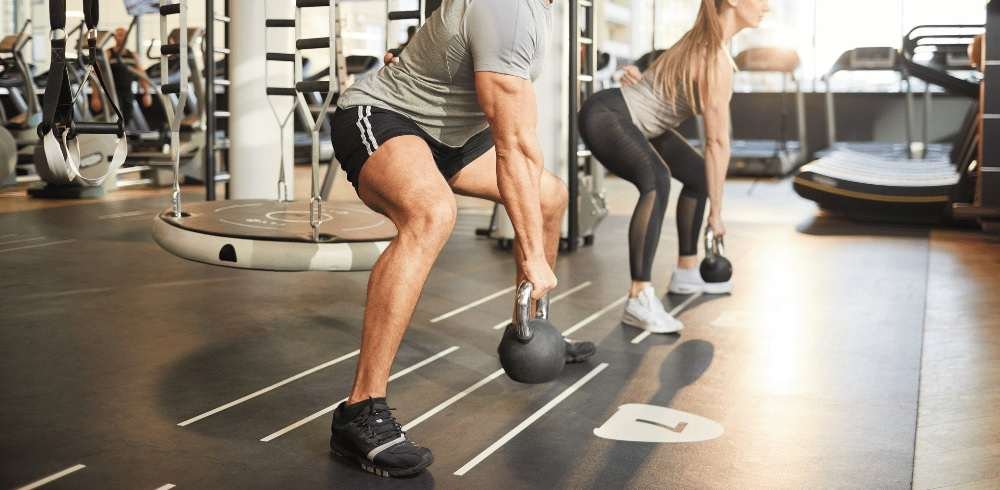
Creating a dedicated space for your leg workout at home is crucial for both safety and motivation. Here are some practical tips to ensure you’re ready to get started:
- Choose the Right Spot: Find a flat, open area with enough room to move freely. This helps prevent injuries and allows for a full range of motion during exercises.
- Invest in a Quality Mat: A good exercise mat can provide cushioning for your joints and prevent slipping.
- Ensure Good Lighting: Proper lighting helps you keep the right form and stay focused.
- Keep Hydration Handy: Always have water nearby to stay hydrated during your workout.
When it comes to equipment, dumbbells are your best friend for a leg workout at home. Here’s what you need:
- Dumbbells: Select a pair of dumbbells that are comfortable for you to lift but challenging enough to build strength. Adjustable dumbbells can be a versatile choice for varying resistance levels.
- Optional Bench or Chair: Useful for exercises like step-ups or seated calf raises.
For a comprehensive guide on planning your leg workout, visit this detailed leg workout plan.
Effective Dumbbell Leg Exercises
Adding dumbbell leg exercises to your routine can enhance muscle strength and endurance. Here’s a selection of effective exercises to try:
Dumbbell Squats
Squats are a powerful exercise for building leg strength. Here’s how to do them with dumbbells:
- Stand with your feet shoulder-width apart, holding a dumbbell in each hand at your sides.
- Lower your body by bending your knees and pushing your hips back, keeping your chest up and back straight.
- Descend until your thighs are parallel to the floor, then push through your heels to return to the starting position.
Benefits: Targets quadriceps, hamstrings, and glutes, while also engaging the core.
Lunges with Dumbbells
Lunges are great for balance and strength. Here’s how to perform them:
- Hold a dumbbell in each hand and stand tall.
- Step forward with one leg, lowering your hips until both knees are bent at a 90-degree angle.
- Push back to the starting position and repeat on the other leg.
Variations: Try reverse lunges or walking lunges for added challenge.
Dumbbell Deadlifts
Deadlifts are key for strengthening the back of your legs. Follow these steps:
- Stand with feet hip-width apart, holding dumbbells in front of your thighs.
- Hinge at the hips, lowering the dumbbells along the front of your legs while keeping your back straight.
- Return to standing by engaging your glutes and hamstrings.
Targeted Muscles: Primarily works the hamstrings, glutes, and lower back.
Calf Raises with Dumbbells
Boost your calf strength with this simple move:
- Stand with feet shoulder-width apart, holding dumbbells at your sides.
- Rise onto the balls of your feet, lifting your heels as high as possible.
- Lower back down slowly.
Impact: Strengthens the calves and improves ankle stability.
Proper Technique and Safety Tips
Adding these exercises to your leg workout at home can lead to stronger, more balanced legs. When it comes to a dumbbell leg workout, maintaining proper technique is crucial. Not only does it improve the effectiveness of your exercises, but it also helps prevent injuries. Here are some key tips to keep in mind:
- Warm-Up: Always start with a warm-up to prepare your muscles. This can be a light jog or dynamic stretches.
- Focus on Form: Pay attention to your posture. Keep your back straight and core engaged to avoid strain.
- Controlled Movements: Perform exercises slowly and with control. This maximizes muscle engagement and reduces the risk of injury.
- Breathing: Exhale during exertion (lifting phase) and inhale during the return phase.
- Weight Selection: Choose a weight that challenges you but allows you to maintain proper form.
- Rest: Rest adequately between sets to allow muscle recovery.
For more detailed guidance on weight training techniques, you can refer to the Mayo Clinic’s guide on weight training do’s and don’ts.
Nutrition for Muscle Recovery
Nutrition plays a vital role in muscle recovery after a leg workout at home. Here are some nutritional tips to help your muscles recover and grow:
- Protein Intake: Consume protein-rich foods like chicken, fish, or plant-based proteins. Protein helps fix and build muscle tissues.
- Hydration: Drink plenty of water to stay hydrated. Proper hydration aids in nutrient transport and muscle recovery.
- Carbohydrates: Include complex carbohydrates such as whole grains and fruits to replenish energy stores.
- Healthy Fats: Don’t shy away from healthy fats found in nuts, seeds, and avocados. They support overall health and hormone production.
- Timing: Try to eat a balanced meal or snack within two hours after exercising to optimize recovery.
For more insights on how nutrition can aid muscle recovery, check out the findings from the National Library of Medicine.
Creating a Balanced Leg Workout Routine
Creating a balanced leg workout routine is key to getting the most benefits of your dumbbell leg exercises. Here are some tips to help you structure an effective routine:
- Frequency: Aim to incorporate leg workouts into your schedule 2-3 times a week. This frequency allows for muscle growth while providing enough recovery time.
- Variety: Mix different exercises to target various muscle groups. This can include squats, lunges, deadlifts, and calf raises.
- Intensity: Adjust the weight of your dumbbells and the number of repetitions based on your fitness level. Gradually increase the intensity as you progress.
- Rest Days: Ensure you have at least one rest day between leg workouts to allow muscles to repair and grow.
- Warm-Up and Cool-Down: Start with a light warm-up to prepare your muscles and end with stretching exercises to aid recovery.
By following these guidelines, you can create a well-rounded routine that promotes strength and endurance. For additional insights into a proper dumbbell leg workout, visit Men’s Health.
Benefits of Consistent Leg Workouts
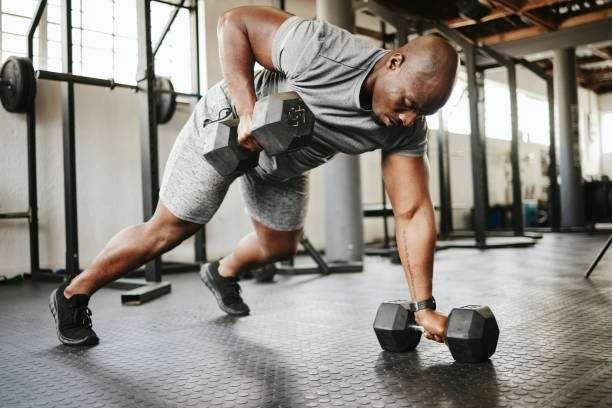
Sticking to a regular dumbbell leg workout routine offers numerous long-term benefits:
- Muscle Development: Regular leg workouts help build and tone muscles, enhancing your overall strength and endurance.
- Improved Balance and Stability: Strong legs contribute to better balance, reducing the risk of falls and injuries.
- Enhanced Metabolism: Building muscle mass can boost your metabolism, helping you burn more calories even at rest.
- Better Athletic Performance: Stronger legs improve your ability to perform various physical activities, from running to jumping.
- Increased Bone Density: Weight-bearing exercises like those involving dumbbells can help maintain healthy bones.
Incorporating these exercises into your fitness routine can lead to sustained health benefits and a more active lifestyle. For an extensive selection guide on available dumbbells, check out this product guide by Dutable.