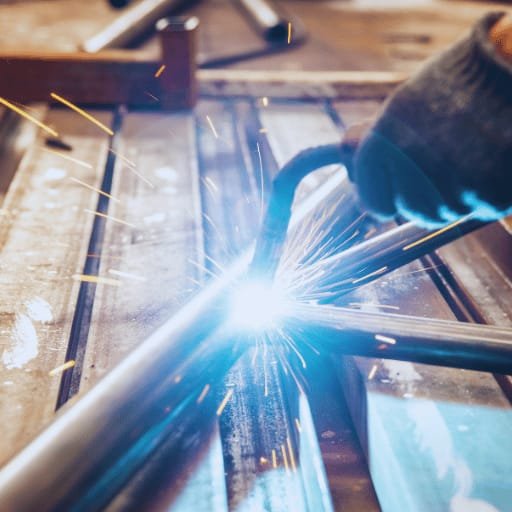
A2 tool steel is a versatile, air-hardening steel known for its balance of toughness, hardness, and wear resistance, making it popular in various manufacturing and tooling applications. However, due to its high carbon content and chromium composition, welding A2 tool steel presents unique challenges that require specific techniques to avoid cracking and maintain structural integrity. For those who rely on quality materials from experienced tool steel suppliers, understanding proper welding practices can help ensure successful, durable joints.
- Understanding A2 Tool Steel’s Welding Properties
A2 tool steel is classified as an air-hardening, medium-alloy steel with high wear resistance and a hardness level suitable for making precision tools, molds, and dies. However, due to its alloy composition—primarily containing carbon, chromium, molybdenum, and vanadium—welding A2 tool steel without preparation can cause unwanted hardness in the heat-affected zone (HAZ) and increase the risk of cracking.
The challenge of welding A2 tool steel arises because it tends to harden rapidly upon cooling, which creates internal stresses that can lead to brittle welds. Tool steel suppliers often provide detailed guidance on the properties of A2 tool steel, emphasizing the importance of preheating, post-weld heat treatment, and controlled cooling during the welding process to achieve optimal results.
- Preparation for Welding A2 Tool Steel
Preparing A2 tool steel for welding is critical to success. Proper preparation reduces the risk of cracking, minimizes distortion, and ensures a strong bond in the welded area.
Cleaning the Surface
Before welding, the surface of the A2 tool steel should be thoroughly cleaned to remove oils, grease, and contaminants that could cause porosity in the weld. Using a solvent-based cleaner is recommended to remove any residues on the welding surface.
Preheating Requirements
Preheating is essential when welding A2 tool steel due to its high carbon content. Preheating helps prevent rapid cooling, which reduces internal stresses and minimizes the risk of cracking. The recommended preheat temperature for A2 tool steel typically ranges between 300–500°F (150–260°C), depending on the thickness of the material. Tool steel suppliers may provide specific temperature guidelines based on the composition of the steel and the intended application.
- Selecting the Right Welding Process for A2 Tool Steel
Choosing the appropriate welding process is crucial to avoid heat damage and maintain the structural integrity of A2 tool steel. Two commonly used welding methods for A2 tool steel are Tungsten Inert Gas (TIG) welding and Shielded Metal Arc Welding (SMAW).
TIG Welding
TIG welding is often preferred for A2 tool steel because it offers precise control over heat input, which reduces the likelihood of cracking and warping. Using a filler metal with a lower hardness level than A2 can help improve ductility and reduce brittleness in the weld. A filler material that matches the A2 composition but has slightly lower carbon content is typically recommended by tool steel suppliers.
Shielded Metal Arc Welding (SMAW)
SMAW, also known as stick welding, is another viable option for A2 tool steel, although it generally requires more experience to control heat input effectively. SMAW with a suitable electrode can produce a strong weld, but it’s essential to use low-hydrogen electrodes to avoid hydrogen embrittlement. The electrode choice should ideally match the alloy composition of A2 tool steel, as advised by reputable tool steel suppliers.
- Managing Heat Input to Prevent Cracking
A2 tool steel’s tendency to harden quickly upon cooling makes controlling heat input a critical aspect of the welding process. Excessive heat can lead to unwanted hardness in the heat-affected zone, while insufficient heat can cause poor fusion and weak welds.
Controlling Interpass Temperature
When making multiple weld passes on A2 tool steel, it’s essential to monitor the interpass temperature, which should not exceed 500°F (260°C). Maintaining this temperature prevents excessive hardening and stress buildup in the heat-affected zone.
Avoiding Overheating
Overheating during welding can lead to grain growth in the A2 tool steel, making it more susceptible to cracking. Maintaining consistent heat levels and using controlled welding speeds helps avoid overheating and improves weld quality. Many tool steel suppliers recommend using a heat input range that limits weld area exposure to extreme temperatures, helping maintain the steel’s properties.
- Post-Weld Heat Treatment for A2 Tool Steel
Post-weld heat treatment (PWHT) is essential to relieve stress, soften the heat-affected zone, and reduce hardness in A2 tool steel. This treatment involves controlled heating and cooling, which helps prevent cracking and improves weld toughness.
Tempering the Welded Joint
Tempering is a key step after welding A2 tool steel. By tempering the weld joint at around 400–800°F (200–425°C) for a specified period, manufacturers can reduce brittleness in the heat-affected zone and restore the material’s toughness. Tool steel suppliers often provide specific tempering guidelines that align with the A2 tool steel’s original heat treatment, ensuring compatibility.
Slow Cooling Techniques
Rapid cooling is a common cause of cracking in A2 tool steel welds. To prevent this, manufacturers should implement slow cooling techniques, such as covering the welded part with insulating material to control the cooling rate. Using a temperature-controlled furnace for cooling can also ensure a gradual reduction in temperature, enhancing weld quality and minimizing residual stress.
- Common Challenges in Welding A2 Tool Steel
Welding A2 tool steel presents unique challenges, primarily due to its alloy composition and hardening characteristics. Being aware of these challenges allows manufacturers to implement proactive solutions that enhance welding results.
Avoiding Hydrogen Embrittlement
Hydrogen embrittlement is a concern when welding high-carbon steels like A2 tool steel. Moisture in the welding environment can introduce hydrogen into the weld, leading to cracking. To minimize this risk, low-hydrogen electrodes and dry shielding gas are recommended. Tool steel suppliers often stress the importance of working in dry conditions and using low-hydrogen consumables.
Minimizing Distortion
Distortion can occur during welding due to uneven heating and cooling. Clamping the A2 tool steel securely and using proper weld sequencing can help reduce distortion, ensuring that the welded part retains its intended shape. Controlled cooling and post-weld heat treatment are also essential for minimizing distortion, especially in high-precision applications.
- Selecting Filler Materials for A2 Tool Steel
Choosing the right filler material is crucial to achieving a strong, durable weld. For A2 tool steel, filler materials that closely match the composition of A2 are typically recommended to avoid creating a mismatched joint that may be prone to cracking.
Matching Filler Metal Composition
Matching filler metals help maintain compatibility and reduce thermal expansion differences between the base metal and weld metal. Many tool steel suppliers provide filler materials specifically designed for A2 tool steel to enhance weld quality and minimize post-weld stress.
Using Ductile Filler Materials
In certain cases, using a filler material with slightly lower hardness than A2 tool steel can improve ductility and reduce brittleness. This approach is particularly useful when the welded joint is subject to impact or high-stress conditions.
- Quality Control and Inspection of Welded A2 Tool Steel
Welding A2 tool steel requires strict quality control measures to ensure the weld meets industry standards for strength, durability, and performance. Testing and inspection help identify any defects or inconsistencies that could compromise the weld.
Visual Inspection
A visual inspection of the welded area can help detect surface cracks, porosity, or other visible defects. Regular inspection during and after the welding process is essential to identify issues early on.
Non-Destructive Testing (NDT)
Non-destructive testing methods such as ultrasonic testing, radiographic testing, and dye penetrant testing provide a deeper evaluation of the weld quality. These methods help detect internal flaws and ensure the weld integrity without damaging the part. Many tool steel suppliers offer guidance on NDT methods that align with A2 tool steel’s specific requirements.
- Sourcing Quality A2 Tool Steel from Reliable Tool Steel Suppliers
Sourcing A2 tool steel from reputable tool steel suppliers is essential for achieving consistent welding results. Quality materials minimize the risk of impurities and ensure the alloy’s composition meets industry standards, reducing the challenges encountered during welding.
Supplier Certifications
Certified tool steel suppliers adhere to industry standards, guaranteeing the quality and consistency of A2 tool steel. Certification ensures that the material meets requirements for alloy composition and mechanical properties, which directly impact weldability.
Technical Support
Experienced tool steel suppliers often provide technical support, including recommendations on welding techniques, filler materials, and heat treatment options. Their expertise helps manufacturers optimize welding processes and achieve reliable results.
- Conclusion: Achieving Successful Welds with A2 Tool Steel
Welding A2 tool steel requires a thorough understanding of its properties, including its hardening characteristics and tendency to crack. By following best practices—such as preheating, controlling heat input, using suitable filler materials, and performing post-weld heat treatment—manufacturers can achieve high-quality welds that withstand stress and maintain durability