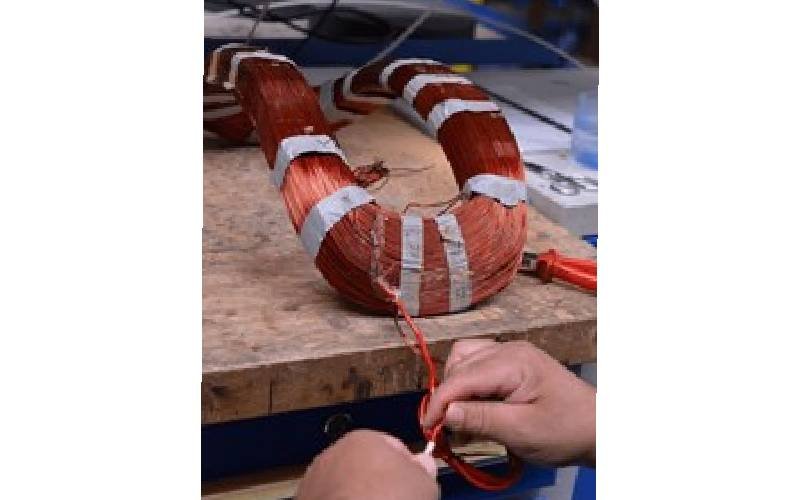
Electro-mechanical assembly is at the heart of cutting edge robotics, serving as the bridge between complex electronic systems and intricate mechanical structures. As robotics technology advances, the demand for more sophisticated, precise, and reliable systems grows. Electro-mechanical assembly encompasses the integration of electrical circuits with mechanical components, enabling robots to perform a wide range of tasks with high efficiency and accuracy. This process involves not just assembling parts but meticulously aligning and connecting various elements to create a cohesive, functional system. In the realm of robotics, where performance, reliability, and adaptability are crucial, the role of electro-mechanical assembly becomes even more pronounced. It drives innovations in robotic design, enhances operational capabilities, and addresses the evolving needs of industries such as manufacturing, healthcare, and exploration. Understanding the importance of electro-mechanical assembly in developing cutting-edge robotics provides insight into how modern robots are built and how they continue to push the boundaries of what’s possible.
Electro Mechanical Assembly In Advancing Cutting Edge Robotics Technology
Electro mechanical assembly is fundamental to advancing cutting edge robotics technology, serving as the foundation upon which complex robotic systems are built. This assembly process integrates electrical components, such as sensors, actuators, and circuit boards, with mechanical parts, including gears, motors, and structural frameworks. The precision and reliability of these assemblies are crucial for the robot’s overall performance. For instance, in industrial robots, the seamless integration of high-performance actuators with advanced control systems ensures precise movements and efficient operation. The ability to synchronize electrical signals with mechanical actions allows for sophisticated functionalities, such as real-time adjustments, adaptive responses to environmental changes, and complex task execution. Furthermore, advancements in electro-mechanical assembly techniques, such as the use of miniaturized components and enhanced materials, enable the development of more compact, agile, and versatile robots. As robotics technology continues to evolve, the role of electro-mechanical assembly remains integral in pushing the boundaries of what robots can achieve, from autonomous vehicles to surgical robots and beyond.
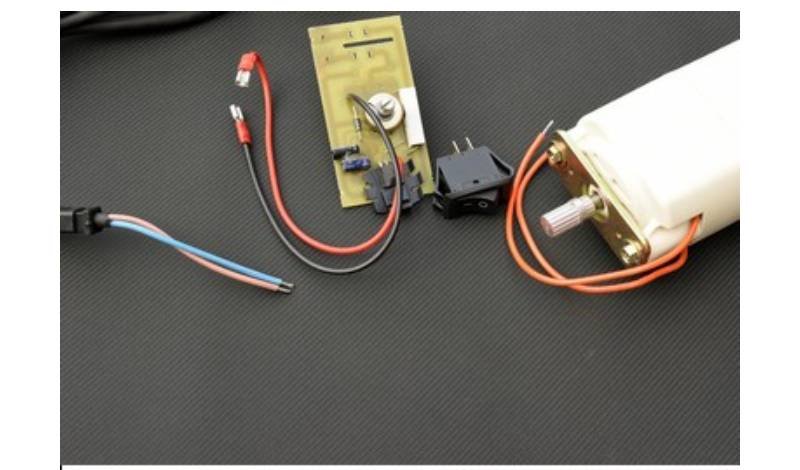
Electro Mechanical Assembly Facilitates Precision In Modern Robotics
Precision and performance are critical attributes of modern robotics, and electro-mechanical assembly plays a pivotal role in achieving both. The assembly process involves meticulous alignment and integration of electrical and mechanical components, ensuring that every part functions harmoniously to meet exact specifications. For example, in a robotic arm used for delicate tasks such as electronic component assembly, the precision of the electro-mechanical assembly affects the arm’s ability to perform repetitive tasks with high accuracy. The careful calibration of sensors, actuators, and control systems ensures that the robot can execute movements with minimal error and high repeatability. Additionally, advancements in electro-mechanical assembly technologies, such as the use of high-resolution encoders and advanced feedback systems, contribute to improved performance by enabling more precise control over the robot’s movements. The integration of sophisticated algorithms with electro-mechanical systems further enhances performance, allowing robots to adapt to changing conditions and execute complex tasks efficiently. Ultimately, the precision achieved through electro-mechanical assembly directly impacts the effectiveness and reliability of modern robotic systems.
Electro Mechanical Assembly Driving The Evolution Of Robotics Systems
Innovative approaches in electro-mechanical assembly are driving the evolution of robotics systems by introducing new technologies and methodologies that enhance functionality and performance. One such approach is the use of modular assembly techniques, which allow for the easy interchangeability of components and customization of robotic systems. This flexibility enables the rapid development and deployment of robots tailored to specific applications, from industrial automation to medical procedures. Another innovation is the integration of advanced materials and manufacturing techniques, such as 3D printing and nanotechnology, which enable the creation of lightweight yet durable components. These materials contribute to the development of more efficient and agile robots, capable of performing complex tasks with greater precision. Additionally, the incorporation of advanced sensing technologies, such as LiDAR and computer vision, into the electro-mechanical assembly process enhances the robot’s ability to perceive and interact with its environment. These innovations not only improve the performance and versatility of robotic systems but also open new possibilities for their applications in various fields.
Electro Mechanical Assembly Techniques For Functionality Of Robotic Components
Electro-mechanical assembly techniques play a crucial role in enhancing the functionality of robotic components, ensuring that they operate efficiently and reliably. Techniques such as precise soldering, automated component placement, and advanced alignment methods are essential for integrating electrical circuits with mechanical parts. For instance, the use of automated soldering techniques ensures consistent and high-quality connections between circuit boards and components, reducing the risk of electrical failures. Precision alignment methods, such as laser alignment, enable accurate placement of components within the mechanical assembly, ensuring optimal performance and reducing wear and tear. Additionally, the incorporation of advanced encapsulation techniques protects sensitive electronic components from environmental factors such as moisture and dust, extending their lifespan and reliability. These techniques are particularly important in applications where robotic components are exposed to harsh conditions or require high levels of precision. By employing these advanced assembly techniques, manufacturers can enhance the functionality and durability of robotic components, contributing to the overall performance and effectiveness of robotic systems.
Solutions In Electro Mechanical Assembly For High-Tech Robotic Applications
Electro-mechanical assembly for high-tech robotic applications presents several challenges, including the need for precision, reliability, and adaptability. One major challenge is the integration of increasingly complex components and systems, which requires meticulous attention to detail and advanced assembly techniques. The miniaturization of electronic components and the incorporation of advanced sensors and actuators demand high precision in assembly to ensure proper functionality. Additionally, the reliability of electro-mechanical assemblies is critical, as any failure can lead to costly downtime or safety issues. To address these challenges, manufacturers employ various solutions, such as implementing rigorous quality control procedures, using advanced diagnostic tools, and conducting thorough testing of assemblies before deployment. Another challenge is managing the increasing complexity of robotic systems, which often requires the integration of multiple subsystems and components. Solutions include the use of modular designs that allow for easier assembly and maintenance, as well as the development of advanced software tools for monitoring and managing system performance. By addressing these challenges with innovative solutions, manufacturers can ensure the successful deployment and operation of high-tech robotic systems.
Electro Mechanical Assembly On The Reliability And Durability Of Advanced Robotics
The reliability and durability of advanced robotics are significantly impacted by the quality of electro-mechanical assembly, which ensures that all components function together seamlessly and withstand various operational stresses. Reliable electro-mechanical assemblies are essential for the consistent performance of robotic systems, particularly in critical applications such as manufacturing, healthcare, and exploration. The assembly process involves rigorous testing and quality control measures to verify that each component meets specified standards and functions correctly within the system. For example, in industrial robots, the durability of mechanical components and the reliability of electrical connections are crucial for maintaining high levels of productivity and reducing maintenance costs. Electro-mechanical assembly techniques, such as the use of robust materials and advanced manufacturing methods, contribute to the longevity of robotic systems by minimizing wear and tear and preventing component failures. Additionally, the implementation of predictive maintenance and real-time monitoring systems enhances the reliability of advanced robotics by identifying potential issues before they lead to system failures.
Electro Mechanical Assembly Shaping The Development Of Generation Robotics
The future of electro-mechanical assembly is poised to shape the development of next-generation robotics, driven by advancements in technology and evolving industry needs. Emerging trends include the integration of artificial intelligence (AI) and machine learning into the assembly process, which enables robots to learn and adapt to new tasks and environments autonomously. The use of advanced materials, such as smart polymers and self-healing materials, is also expected to enhance the functionality and durability of robotic systems. These materials can respond to environmental changes or damage, improving the longevity and performance of robots. Additionally, the continued development of miniaturization and microelectromechanical systems (MEMS) will enable the creation of more compact and versatile robots capable of performing intricate tasks in constrained environments. The incorporation of advanced sensors and connectivity technologies, such as the Internet of Things (IoT), will further enhance the capabilities of robotic systems by enabling real-time data collection and analysis. As these trends continue to evolve, they will drive innovations in electro-mechanical assembly, leading to the development of more advanced, adaptable, and efficient robotic systems.
Conclusion
Electro-mechanical assembly is a critical component in the development of cutting edge robotics, playing a vital role in advancing technology, enhancing performance, and addressing the challenges of modern robotic systems. From ensuring precision and reliability to implementing innovative techniques and addressing complex challenges, electro-mechanical assembly is integral to the success of next-generation robotics. As the field of robotics continues to evolve, the importance of electro-mechanical assembly will only grow, driving advancements in technology and expanding the possibilities for robotic applications across various industries. By understanding and addressing the key aspects of electro-mechanical assembly, manufacturers can continue to push the boundaries of what is possible with robotics, delivering systems that are more capable, reliable, and adaptable than ever before.