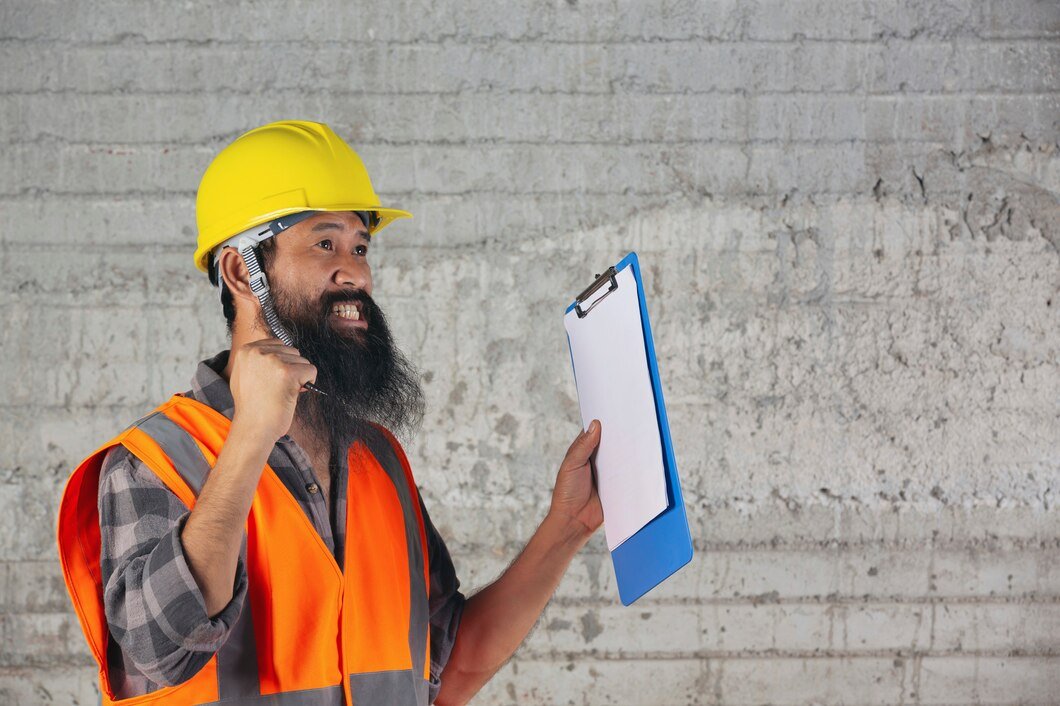
Are you ensuring the safety of your construction site? What are the essential checklists for maintaining a secure environment? Construction sites are always hazardous, making safety a top priority.
Likewise, implementing comprehensive safety checklists is crucial to prevent accidents and ensure compliance with regulations. Adequate safety measures and quality components like bow shackles are vital. Here’s a guide to essential safety checklists for every construction site.
Personal Protective Equipment (PPE)
Helmet and Safety Gear
Ensure that all workers wear appropriate helmets and safety gear. Helmets protect against falling objects and impacts. Safety gear, including gloves, goggles, and ear protection, safeguards against specific hazards. Regularly inspect and replace damaged or worn equipment to maintain effectiveness.
High-Visibility Clothing
All workers should wear high-visibility clothing to enhance their presence on site. This is especially important in low-light conditions or areas with heavy machinery. Visibility reduces the risk of accidents and helps ensure that workers are seen by others.
Equipment and Machinery Safety
Daily Equipment Checks
Conduct daily inspections of all equipment and machinery. Check for signs of wear and tear, fluid leaks, and proper functioning. Ensuring that equipment is in good working order prevents malfunctions and reduces the risk of accidents.
Proper Training
Verify that all operators have received proper training for the machinery they use. Training ensures that operators understand how to use equipment safely and effectively. So, regularly refresh training as needed to keep skills up-to-date.
Site Hazards and Emergency Procedures
Identify and Manage Hazards
Identify potential hazards on site and implement controls to manage them. This includes marking hazardous areas and providing warnings. Regularly review and update hazard assessments as work conditions change.
Emergency Response Plan
Develop and communicate a clear emergency response plan. Ensure that all workers know the procedures for different types of emergencies, including fires and medical incidents. Conduct regular drills to practice and refine emergency responses.
Secure Loads and Equipment
Proper Securing of Loads
Ensure that all loads are properly secured before moving. This includes using appropriate straps, chains, and other securing devices. Proper load securing prevents shifting and reduces the risk of accidents during transportation.
The Bow Shackle
They are essential components in lifting and rigging applications. They consist of a U-shaped body with a pin that screws into place. Bow shackles are used to connect various components, such as chains and ropes, ensuring secure lifting and movement of heavy loads.
Using high-quality options is critical for safety. They provide a strong and reliable connection point for lifting operations. Regularly inspect the shackle for signs of wear, deformation, or damage. Replace any damaged ones immediately to prevent accidents and ensure safe lifting practices.
Worker Health and Wellness
Health Monitoring
Monitor the health and wellness of all workers. Provide access to medical support and encourage regular health check-ups. Address any health concerns promptly to ensure that workers are fit for duty and able to perform their tasks safely.
Fatigue Management
Manage worker fatigue by implementing reasonable work hours and breaks. Fatigue can affect one’s judgment and increase the risk of accidents. Encourage workers to report any signs of fatigue and ensure adequate rest periods.
Compliance and Documentation
Regulatory Compliance
Ensure that all safety practices comply with local regulations and standards. Keep up-to-date with changes in safety regulations and incorporate them into site practices. Regular audits and inspections help maintain compliance and identify areas for improvement.
Documentation
Maintain thorough documentation of all safety practices, inspections, and incidents. This includes records of equipment checks, training sessions, and hazard assessments. Proper documentation provides a reference for safety reviews and demonstrates a commitment to maintaining a safe working environment.
By adhering to these safety checklists, construction sites can create a safer working environment. Quality components like bow shackles reduce the risk of accidents. Regular reviews and updates to safety practices ensure that sites remain compliant and secure.