Drum mixer blenders play a vital role in industrial settings, facilitating the efficient mixing and blending of various materials used in manufacturing processes. However, their safe and effective operation requires adherence to best practices to ensure both worker safety and optimal performance. In this comprehensive guide, we will explore the essential protocols and procedures for operating drum mixer blenders in industrial environments, covering everything from safety protocols to troubleshooting tips.
Safety Protocols: Ensuring Secure Operation Of Drum Mixer Blenders
The foremost concern when operating drum mixer blender is safety. Industrial environments pose inherent risks, and it’s crucial to implement robust safety protocols to protect workers and prevent accidents. Safety measures may include providing appropriate personal protective equipment (PPE), such as gloves, goggles, and safety shoes, conducting regular equipment inspections to identify and address potential hazards, and ensuring that all operators are adequately trained in safe operating procedures. Additionally, clear signage, hazard warnings, and emergency shutdown procedures should be in place to minimize the risk of accidents.
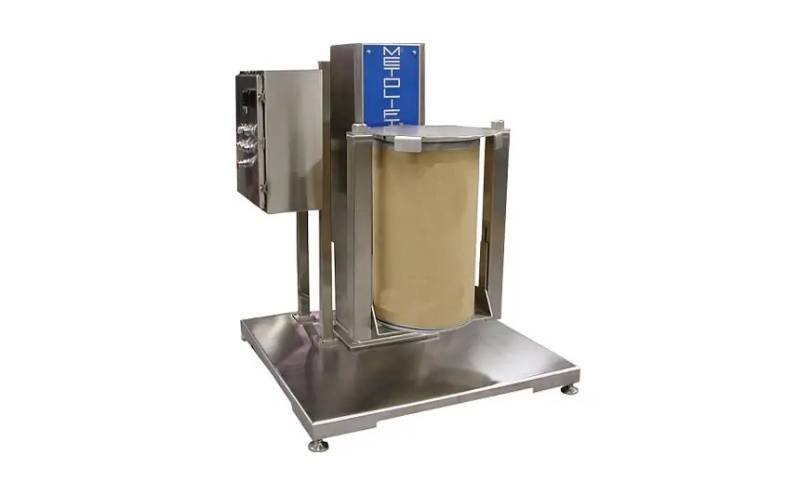
Optimizing Efficiency: Best Practices To Maximize Performance In Industrial Settings
Efficiency is paramount in industrial operations, and optimizing the performance of drum mixer blenders can significantly impact productivity and profitability. To achieve maximum efficiency, it’s essential to carefully consider factors such as batch size, mixing time, and speed settings. Proper calibration and regular maintenance of equipment are also crucial to ensure consistent performance. Additionally, utilizing advanced features such as programmable controls and automation can further enhance efficiency by streamlining processes and reducing human error.\
Maintenance Guidelines: Preserving The Longevity Of Drum Mixer Blenders
Regular maintenance is key to preserving the longevity of drum mixer blenders and preventing costly breakdowns. A comprehensive maintenance schedule should include routine inspections, lubrication of moving parts, and calibration of equipment to ensure optimal performance. Any signs of wear or damage should be promptly addressed to prevent further deterioration and maintain the integrity of the equipment. Additionally, proper storage and handling practices can help prolong the lifespan of drum mixer blenders, protecting your investment and ensuring reliable operation for years to come.
Proper Procedures For Loading And Unloading Drum Mixer Blenders
Effective material handling is essential for safe and efficient operation of drum mixer blenders. Proper procedures for loading and unloading materials can minimize the risk of spills, contamination, and worker injuries. Operators should be trained to handle materials safely, including proper lifting techniques and the use of appropriate tools and equipment. Additionally, clear guidelines should be established for the loading and unloading process, including weight limits, batch sizes, and material compatibility to ensure optimal performance and prevent damage to the equipment.
Hygiene Standards For Drum Mixer Blenders In Industrial Environments
Maintaining cleanliness and hygiene standards is critical when working with drum mixer blenders in industrial settings, particularly in industries such as food processing and pharmaceuticals where sanitation is paramount. Proper cleaning procedures should be established and followed diligently to prevent cross-contamination and ensure product quality and safety. This may include regular sanitation of equipment surfaces, thorough cleaning of mixing chambers, and the use of cleaning agents and disinfectants approved for use in food-grade and pharmaceutical-grade environments. Additionally, operators should be trained in proper cleaning techniques and provided with the necessary tools and equipment to maintain hygiene standards effectively.
Addressing Common Issues When Operating Drum Mixer Blenders
Despite careful maintenance and adherence to best practices, issues may arise when operating drum mixer blenders. Being able to identify and address these issues promptly is essential to minimize downtime and prevent costly disruptions to production. Common issues may include uneven mixing, equipment malfunction, or material blockages. Operators should be trained to recognize the signs of potential problems and equipped with the knowledge and tools to troubleshoot effectively. Additionally, having a contingency plan in place and access to technical support can help expedite the resolution of issues and ensure smooth operations.
Enhancing Skills And Knowledge For Safe And Effective Drum Mixer Blender Use
Lastly, operator training is paramount to ensure safe and effective operation of drum mixer blenders in industrial settings. Proper training should cover equipment operation, safety protocols, maintenance procedures, and troubleshooting techniques. Operators should be thoroughly familiarized with the equipment and provided with hands-on training to develop proficiency in its use. Regular refresher training sessions should also be conducted to reinforce skills and knowledge and keep operators up-to-date with the latest best practices and safety regulations. Investing in comprehensive operator training can significantly reduce the risk of accidents and errors while optimizing the performance of drum mixer blenders in industrial environments.
Conclusion
Operating drum mixer blenders in industrial settings requires careful attention to safety, efficiency, maintenance, material handling, cleanliness, troubleshooting, and operator training. By implementing best practices in each of these areas, businesses can ensure the safe and effective operation of drum mixer blenders, minimize downtime, and maximize productivity and profitability. Investing in proper training, maintenance, and safety measures is crucial to protect workers, preserve equipment integrity, and achieve long-term success in industrial operations involving drum mixer blenders.