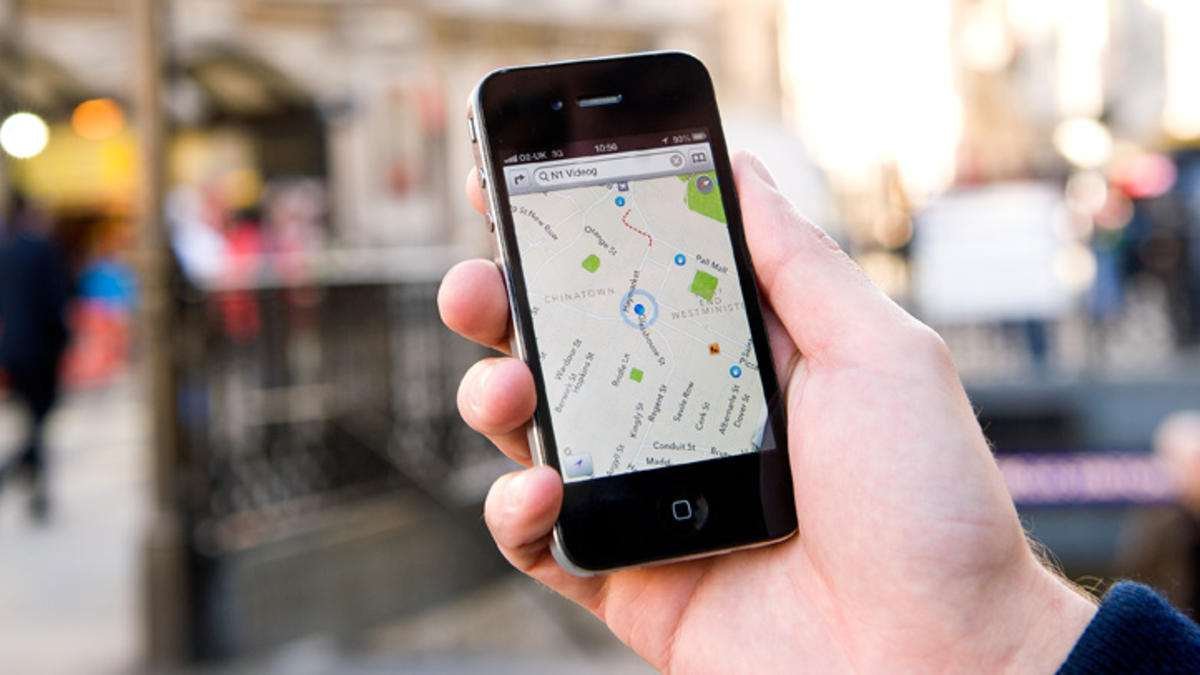
In an era where technology permeates every aspect of our lives, ensuring the safety of our children has become increasingly complex yet crucial. The digital age has brought with it a myriad of challenges, from cyberbullying to online predators, making parental supervision more important than ever. However, technology doesn’t just pose risks; it also offers solutions. This article explores how cell phones, equipped with tracking technology, empower parents to monitor their child’s whereabouts effectively, promoting safety and peace of mind.
II. The Evolution of Child Tracking Technology
- Early methods of mobile tracker for children: From keeping a watchful eye to relying on community networks, parents have long sought ways to track their children’s movements.
- Emergence of GPS technology: The advent of GPS revolutionized child tracking, providing precise location data that was previously unimaginable.
- Advancements in cell phone tracking apps: Today, sophisticated apps harness the power of GPS, offering real-time tracking and additional features for enhanced safety.
III. Benefits of Tracking Your Child’s Whereabouts
- Ensuring safety in emergencies: In critical situations such as accidents or getting lost, knowing your child’s exact location can be invaluable for prompt assistance.
- Preventing potential dangers: By setting boundaries and receiving alerts when a child strays, parents can mitigate risks like abduction or wandering into unsafe areas.
- Promoting responsible independence: Tracking technology fosters a sense of accountability in children, encouraging them to make safer choices while respecting boundaries.
IV. Understanding the Concerns
- Privacy implications for children: Constant monitoring raises concerns about children’s right to privacy and the potential psychological impact of surveillance.
- Ethical considerations: Balancing safety with trust and autonomy is essential to maintain healthy parent-child relationships and foster independence.
- Navigating privacy settings: Implementing strict privacy measures and educating children about online safety are critical to addressing privacy concerns.
V. Key Features to Look for in Child Tracking Apps
- Real-time location tracking: Accurate and up-to-date location data ensures parents can quickly locate their child when needed.
- Geofencing capabilities: Setting virtual boundaries and receiving notifications when a child enters or exits predefined areas enhances safety.
- SOS features: Emergency buttons or alerts enable children to call for help swiftly in dangerous situations.
- Compatibility: Ensure the tracking app is compatible with various devices and platforms for seamless integration and usability.
VI. How to Choose the Right Tracking App
- Research: Explore different tracking apps, considering features, user reviews, and reliability.
- Reviews and testimonials: Seek feedback from other parents to gauge effectiveness and user experience.
- Privacy policies: Prioritize apps with transparent privacy policies and robust security measures to protect sensitive data.
VII. Setting Boundaries and Establishing Trust
- Open communication: Engage in honest conversations with your child about tracking technology, emphasizing its role in safety.
- Clear expectations: Set boundaries and guidelines for device usage and tracking, ensuring mutual understanding and respect.
- Using technology as a tool: Emphasize that tracking technology is a tool for enhancing safety, not a substitute for parental guidance and supervision.
VIII. Addressing Privacy Concerns
- Importance of consent: Involve children in decisions regarding tracking technology, respecting their autonomy and privacy.
- Education: Educate children about online privacy and safety, empowering them to make informed choices.
- Privacy settings: Opt for tracking apps with robust privacy settings and permissions to safeguard personal data.
IX. Practical Tips for Effective Child Tracking
- Establish routine check-ins: Regular communication and check-ins help parents stay informed about their child’s activities and whereabouts.
- Emergency action plans: Develop and rehearse emergency protocols with your child, ensuring they know how to respond in different scenarios.
- Preventive measures: Use tracking technology proactively to anticipate and prevent potential risks, rather than reacting after the fact.
X. Case Studies: Success Stories and Lessons Learned
- Real-life examples: Explore success stories of families who have effectively utilized tracking technology to enhance safety.
- Challenges and strategies: Highlight challenges faced and strategies implemented by parents, offering valuable insights for others.
- Lessons learned: Extract key lessons and best practices for implementing tracking technology effectively.
XI. The Future of Child Tracking Technology
- Trends and innovations: Explore emerging trends and innovations in child tracking technology, such as wearable devices and AI-driven solutions.
- Privacy advancements: Anticipate advancements in privacy protection, such as decentralized tracking systems and enhanced encryption.
- Integration with other safety measures: Consider the integration of tracking technology with other safety measures, such as smart home devices and school security systems.
XII. Cultural and Legal Considerations
- Global perspectives: Examine cultural attitudes towards parental supervision and privacy across different regions and societies.
- Legal regulations: Navigate legal frameworks and regulations governing child tracking technology in various jurisdictions.
- Cultural factors: Consider cultural norms and values that influence parental decisions regarding tracking technology, such as individualism versus collectivism.
XIII. Addressing Criticisms and Misconceptions
- Myth debunking: Dispel common myths and misconceptions surrounding child tracking technology, such as its impact on trust and autonomy.
- Privacy concerns: Address criticism regarding privacy invasion, emphasizing the importance of consent and transparency.
- Positive impact: Highlight the positive impact of tracking technology on child safety and well-being, backed by empirical evidence and testimonials.
XIV. Conclusion
In conclusion, the utilization of cell phone tracking technology offers immense potential for enhancing child safety and parental peace of mind in today’s digital age. By understanding the benefits, considerations, and best practices outlined in this article, parents can harness the power of technology to empower their children and navigate the complexities of modern parenting with confidence.