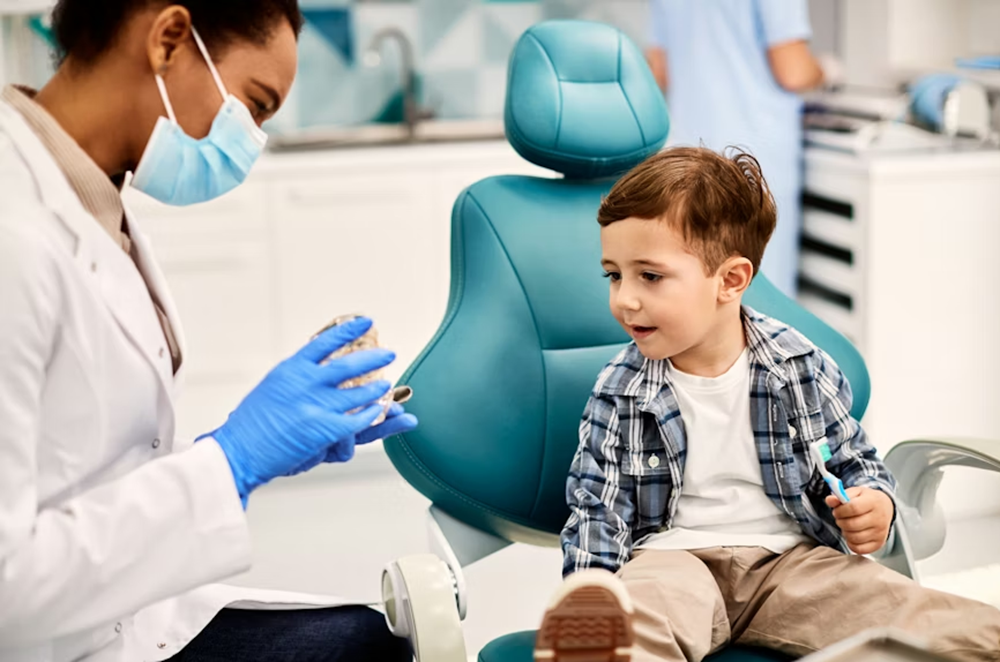
Your child’s first dental visit can stir up fear, hope, and many questions. You want to protect that small smile, yet you may not know what to ask or expect. A Clermont dentist sees this every day. You are not alone. This first appointment is your chance to learn how your child’s teeth grow, how to prevent pain, and how to handle scary moments like injuries or cavities. You can also learn what habits matter at home, and what does not. Clear questions help you speak up and get straight answers. Care starts with honest talk, not guesswork. When you ask the right questions, you gain control. You leave knowing what comes next, what to watch for, and when to act fast. The six questions below give you a strong place to start and help you protect your child’s health from the very first visit.
1. “What should I expect as my child’s teeth grow?”
You need a clear picture of what is normal and what is not. Ask the dentist to walk you through the stages of baby teeth and when adult teeth usually appear.
You can ask:
- When should the next teeth come in
- What signs of teething are healthy
- What changes should make you call the office
The dentist can compare your child’s mouth to common age ranges. The American Academy of Pediatric Dentistry offers a simple guide to tooth growth on its site. Bring any past medical history so the dentist can connect the dots and give clear advice.
2. “How often should my child have a checkup and cleaning?”
Regular visits prevent bigger problems. Still, every child is different. Ask how often your child needs to come in based on age, risk for cavities, and home habits.
Key points to ask about:
- Standard visit schedule for your child’s age
- How sickness, medicine, or special needs might change that plan
- What signs mean you should book a visit sooner
The dentist may follow national guidance that supports visits about every six months. The Centers for Disease Control and Prevention notes that early and regular dental care cuts the risk of untreated decay.
3. “What is the best way to clean my child’s teeth at home?”
Home care shapes your child’s health every day. Ask for short, clear steps that fit your child’s age and your routine.
Ask the dentist to show you:
- How to brush and how often
- When to start using toothpaste with fluoride
- If floss is needed yet and how to use it
You can also ask for a quick tooth brushing demo in the chair. A few minutes of teaching now can prevent pain later.
Home Mouth Care By Age
| Child’s age | What you use | How often | Adult help needed |
|---|---|---|---|
| Under 1 year | Soft cloth or baby brush. No toothpaste | Twice a day | Full help |
| 1 to 3 years | Soft brush. Small smear of fluoride toothpaste | Twice a day | Full help |
| 3 to 6 years | Soft brush. Pea sized fluoride toothpaste | Twice a day | Adult brushing and rinsing help |
| Over 6 years | Soft brush. Fluoride toothpaste. Floss | Twice a day brushing. Once a day flossing | Check and support |
4. “What should my child eat or drink to protect their teeth?”
Food and drink shape your child’s mouth health. Ask the dentist to review your child’s daily diet. Bring up snacks, bedtime drinks, and any sports drinks.
You can ask:
- Which drinks are safe for daily use
- How often sugary snacks are okay
- What to give a child who wants a drink at night
Many parents feel shocked at how much sugar sits in common drinks. Clear rules from the dentist help you set limits without guilt. You can also ask for a simple list of better snack choices that your child might accept.
5. “How will you help my child feel calm and safe today?”
Your child may feel scared. You might feel tense too. Ask how the office handles fear and pain during visits.
Good questions include:
- What words the staff use with children
- Whether you can stay with your child in the room
- What steps they use before any numbing medicine
A calm plan keeps your child from linking the dentist with fear. If your child has past trauma or special needs, share that early. The dentist can slow the pace of the visit, change tools, or use clear cues. That care can change how your child views health care for years.
6. “What warning signs should make me call you right away?”
You cannot prevent every problem. You can respond fast when you see warning signs. Ask the dentist to list signs that need quick care.
These may include:
- White or brown spots on teeth
- Bleeding when your child brushes
- Swelling in the face or jaw
- Tooth pain that wakes your child at night
- Broken or knocked out teeth
Ask for clear steps for each situation. You can also request a short written plan. That way you do not have to trust your memory in a stressful moment. Keep the office number on your phone and on your fridge.
How to leave the visit with a clear plan
Before you walk out, take a minute to sum up what you heard. You can say, “Here is what I plan to do at home” and list the top three steps. Ask the dentist to confirm or correct your notes.
Try to leave with:
- Your next visit date
- A simple home care plan
- Warning signs to watch for
Your questions show strong care, not doubt. Each answer gives you more power to protect your child’s health. With a trusted Clermont dentist and a clear plan, you can face each visit with less fear and more steady confidence.