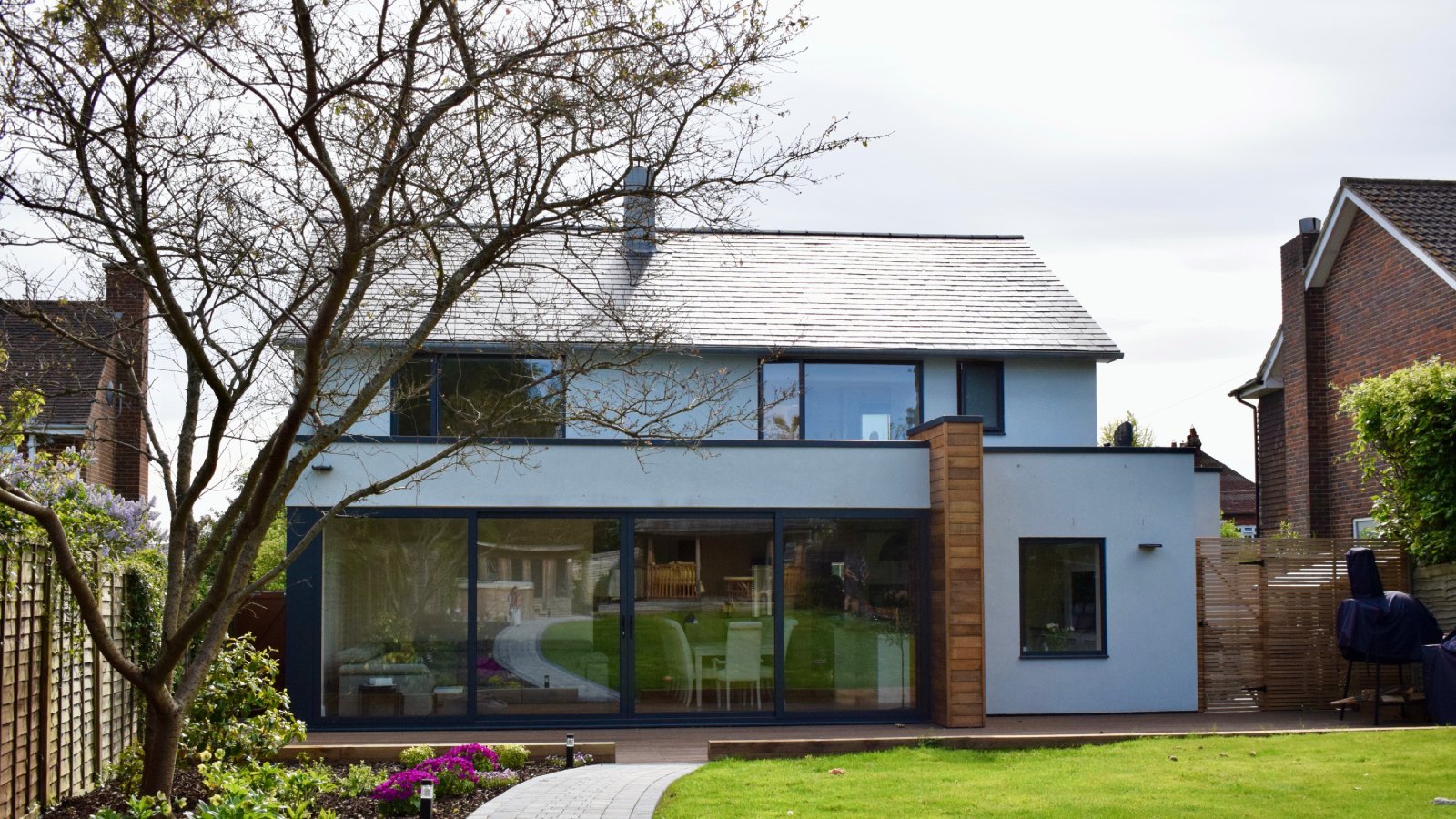
Most of what goes wrong with a home’s exterior does not happen suddenly. It happens slowly. A hairline crack that widens over two winters. A small paint bubble that hides spreading rot. A gate that starts hesitating before it fully closes. The warning signs are almost always there. The problem is that we walk past them every day until they become emergencies. Here are five exterior warning signs that deserve immediate action, and what ignoring them will cost you.
1. Cracks in the Foundation or Exterior Masonry
Not all cracks are equal, but none of them should be ignored. Hairline cracks in stucco or brick are common and often cosmetic. Horizontal cracks in a basement or foundation wall are serious. They indicate lateral pressure from soil and can signal structural movement. Diagonal cracks running from corners of windows or doors suggest differential settling.
The rule of thumb: if a crack is wider than a credit card, or if it is growing, get a structural engineer or foundation specialist to look at it. A crack evaluation typically costs $200 to $500. Ignoring a progressing foundation crack can result in tens of thousands in repairs and serious impact on your home’s resale value.
2. Soft, Spongy, or Discolored Wood
Probe any exterior wood trim, deck boards, window sills, and door frames with a flathead screwdriver. Healthy wood is firm. Rotted wood has a spongy, hollow feeling and gives way with minimal pressure. Discoloration such as dark staining, grey weathering, or paint that bubbles and peels without obvious cause usually indicates moisture intrusion underneath.
Exterior wood rot spreads. What looks like a small area on the surface is often more extensive underneath. A window sill with visible rot is frequently just the front edge of damage that extends into the framing below. Catching it early means replacing trim boards. Missing it means replacing structural framing.
3. Damaged or Missing Roof Shingles
You do not need to get on the roof to do a basic inspection. From the ground with binoculars, look for shingles that are curling at the edges, cracked, discolored, or missing entirely. Check your gutters for granule buildup, the small sand-like particles that give asphalt shingles their surface coating. Significant granule loss means your shingles are aging out and losing their weather resistance.
A single missing shingle during a period of heavy rain can allow water under the surrounding shingles and into the roof deck within a single storm. Roof repairs are dramatically cheaper than roof replacements, and roof replacements are dramatically cheaper than remediation for water damage to the structure and interior below.
4. A Malfunctioning Automated Gate
An automated gate that reverses unexpectedly, moves slower than usual, makes grinding or clicking noises, or fails to close fully is not just an inconvenience. It is a sign that the mechanical and electrical components are under stress. Electric gate motors typically give warning before they fail completely. Inconsistent performance, unusual sounds, and delayed response are all symptoms that something is wearing out or misaligned. Scheduling professional electric gate repair at the first sign of trouble almost always costs a fraction of what full motor or control board replacement runs. A gate that does not reliably close is also a direct security gap at the perimeter of your property, and that is not something to leave unaddressed.
5. Water Staining on Exterior Walls
Rust-colored streaks below windows, dark staining around chimney bases, tide-line discoloration on lower exterior walls: water staining is your house showing you where it is losing the battle against moisture. These marks indicate where water is consistently contacting the surface, which means it is also consistently infiltrating somewhere behind the surface.
Tracing the source is the first priority. Staining below a window usually means the window sill or flashing is failing. Staining near the chimney points to deteriorated flashing or mortar joints. Staining at the base of walls often indicates grading issues or failed waterproofing. In every case, the visible stain is the symptom. The moisture source is the actual problem, and it needs to be found and addressed before interior damage becomes visible.
The Cost of Waiting
There is a reliable pattern in home maintenance: problems caught early cost a small fraction of what they cost when discovered late. A $150 tube of sealant applied to a window frame before rot sets in beats a $2,000 window replacement. A gate service call at the first sign of sluggish operation beats a $1,500 motor replacement after complete failure.
Your home’s exterior is exposed to weather, UV radiation, temperature swings, moisture, and time every single day. It requires regular attention: not obsessive attention, but the kind of steady, curious observation that spots the first bubble in the paint before it becomes a rot pocket, the first crack in the foundation before it becomes a structural issue, and the first hesitation in the gate motor before it stops working entirely.
Walk your exterior with fresh eyes at least twice a year. Spring and fall are ideal. What you catch early, you can fix cheaply.