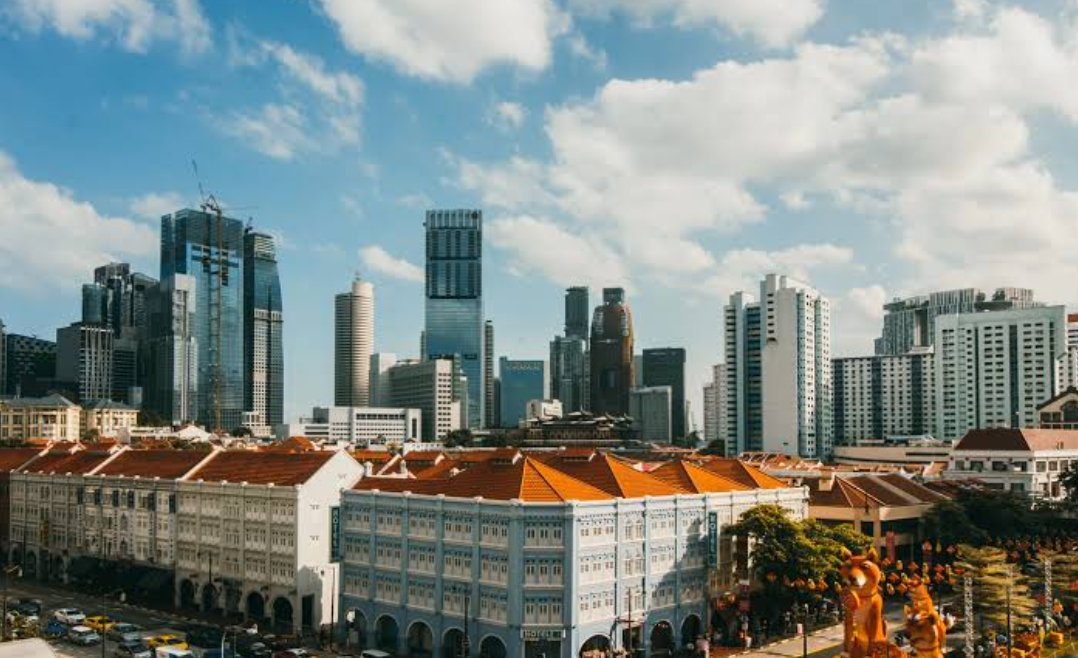
Renting an apartment in Singapore is a significant step for anyone looking to live in one of the most dynamic cities in the world. There are several essential aspects to consider before you sign a lease. This guide will walk you through 10 crucial things you should know before renting Singapore apartments, whether you’re a first-time renter or someone experienced in the process.
Renting Singapore apartments requires careful consideration and planning. From lease terms to hidden costs, understanding the rental process can make all the difference. This article outlines the top 10 things you should know before committing to a lease, ensuring a smooth and informed rental experience.
What Is Included in the Rent?
Understanding what is and isn’t included in the rent is critical when budgeting for your new Singapore apartment. The rent may include various utilities, or you may have to pay them separately. This can significantly affect your monthly expenses.
Common Inclusions:
- Utilities (water, electricity, gas): Some rentals include utilities in the rent, while others do not.
- Internet and Cable: Always ask whether these services are included in the rent or if you need to set them up separately.
- Maintenance Costs: Some apartments include regular maintenance services (e.g., air conditioning servicing), while others charge separately.
Be sure to clarify these points upfront so you aren’t surprised later.
Is the Apartment Furnished or Unfurnished?
Before deciding on an apartment, confirm whether it’s furnished or unfurnished. Many listings may offer partially furnished Singapore apartments, but it’s essential to ask the landlord about the specific items included.
Important things to Clarify:
- Furniture Provided: Does the apartment come with a bed, sofa, or dining table?
- Appliances Included: Will there be a fridge, washing machine, or microwave?
- Items to Be Removed: Is the landlord removing any furniture or appliances before your move-in?
Understanding the furnishing status will help you determine whether you need to buy new furniture or simply move in and settle.
Understanding the Landlord’s Preferences
Asking about the ideal tenant can give you a better understanding of what the landlord is looking for. Some landlords prefer young professionals, families, or single tenants. This can help you assess whether your lifestyle fits their expectations.
Considerations:
- Landlord’s Tenant Preference: Some landlords may prefer tenants without pets, while others may have no preference at all.
- Guest Policies: It’s important to know whether your landlord has rules about visitors or overnight stays.
Make sure to ask these questions to avoid conflicts and ensure that you meet the landlord’s expectations.
Lease Duration and Extensions
In some cases, you may want to extend your lease after the initial term ends. However, this may not always be possible or straightforward. Rental prices in Singapore often fluctuate, and your landlord may increase your rent when extending the lease.
Important Points:
- Renewal Terms: Can you extend the lease? If so, how much notice is required?
- Rental Adjustments: Are you prepared for possible rent increases upon renewal?
- Landlord’s Plans: Will the landlord be using the property again after your lease ends?
If you plan on staying long-term, clarify these points early to avoid disruptions.
Parking Availability
For tenants with cars, parking arrangements are an essential consideration. Parking spaces in condos and Singapore apartments are typically limited and often come with additional charges.
Key Questions:
- Parking Space Availability: Does the rent include a parking space?
- Additional Parking Fees: If you have a car, will there be an additional parking fee?
- Visitor Parking: Is there parking available for visitors?
Make sure to inquire about parking, especially if you plan to own a vehicle during your stay in Singapore.
Can I Have Pets?
If you have pets, it’s crucial to check the pet policy before committing to a rental agreement. While some landlords are open to tenants with pets, others may have strict no-pet policies.
Things to Consider:
- Pet Restrictions: What types of pets are allowed? Are there restrictions on size, breed, or noise levels?
- Pet Fees: Will there be an additional deposit or fee for having a pet in the apartment?
Always clarify the pet policy to avoid any issues during your tenancy.
Maintenance and Repairs: Who Is Responsible?
Understanding your responsibilities regarding maintenance and repairs is key when renting in Singapore. Certain repairs may be your responsibility, while others will be handled by the landlord.
Clarifications to Make Before:
- Regular Maintenance: Who is responsible for maintaining things like air conditioners or plumbing?
- Repair Costs: What costs will you incur for repairs? For example, some landlords may charge for minor damages, while others will handle them.
Be sure to understand who will handle specific repairs, and always document any pre-existing damages when you move in to avoid being held accountable later.
What Happens if I Need to Break the Lease?
Life circumstances change, and you may need to break your lease earlier than expected. Some rental agreements allow for early termination, while others impose heavy penalties. Understanding these terms beforehand can save you from unexpected financial strain.
Key Considerations:
- Penalty for Early Termination: What happens if you need to leave before the lease ends? Will you lose your deposit or pay for the remaining months?
- Diplomatic Clauses: Some leases include clauses allowing early termination for specific situations, such as relocating for work or family reasons.
Always ask about the penalties for early lease termination and whether there’s any flexibility.
Restrictions on Use and Alterations
Some landlords impose restrictions on how you can use the apartment or the property’s common areas. These restrictions can range from limitations on the use of the kitchen to prohibitions on making alterations.
Important Restrictions:
- Cooking: Some landlords specify “light cooking” only, or prohibit cooking altogether.
- Renovations: Are you allowed to make changes to the apartment, like installing shelves or painting walls?
- Use of Common Areas: If you’re sharing the apartment with others, understand the rules about common area usage.
It’s important to clarify these restrictions to avoid misunderstandings.
Returning the Apartment and Security Deposit
When your lease is over, it’s essential to return the Singapore city apartment in good condition to receive your full security deposit back. However, some landlords may withhold part of your deposit for damages or cleaning fees.
Steps for a Smooth Move-Out:
- Clean the Apartment: Ensure that the apartment is cleaned thoroughly, including areas like the kitchen and bathroom.
- Document the Condition: Take photos or videos of the apartment when you move out to prove its condition.
- Understand Deductions: Review your lease to understand any potential fees for repairs or cleaning.
By understanding what is expected of you when you move out, you can increase the chances of getting your full deposit back.
To Sum Up
Renting Singapore apartments can be a smooth process if you are prepared and know what to expect. From clarifying the rent and pet policies to understanding maintenance responsibilities, asking the right questions will help you avoid common rental pitfalls.
By following the tips outlined in this guide, you’ll be equipped to make an informed decision and enjoy your rental experience in Singapore with confidence.