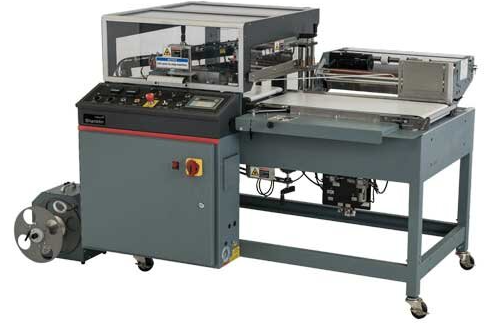
You’ve probably picked up a product from a shop shelf at some point and noticed that tight, glossy plastic film wrapped around it. That is the work of a shrink wrap machine. Across the UK, this kind of equipment has now become a pretty standard part of packaging setups, no matter if a small online shop is being run from a spare room or a busy warehouse floor is being managed. At its core, an item gets wrapped in plastic film by the machine, and heat is then applied so the film tightens and moulds itself around the product’s shape. A shrink wrap machine UK business picks usually depends on what gets packaged and how often, but in theory the process sounds simple enough. Once you look closer though, there is a fair bit more going on than that.
What Happens During the Wrapping Process
Polyolefin, PVC, or polyethylene, these are usually the films used, and under heat, each one behaves a little differently from the others. Once wrapped, a product goes through a heat tunnel, though for smaller jobs, an operator sometimes just uses a handheld heat gun instead. Because of the heat, the film contracts tightly, hugging the shape of the product and getting rid of loose folds or air pockets along the way.
In most setups, two separate steps are involved: first the film gets sealed around the item, then it gets shrunk down. Some machines manage to do both in one continuous motion, which works out great for businesses wrapping a lot of stock daily. For smaller operations that are not in much of a rush, however, splitting the process into two stations works just fine too.
Not All Machines Are Built the Same
There is a surprising amount of variety here, and which one is right really depends on what is being packaged and how often.
For smaller businesses, L-bar sealers are probably the most common choice. Using a heated bar shaped like an L, the film gets cut and sealed, and for things like books, small boxes, or retail products that don’t need anything fancy, these work well.
Chamber sealers, on the other hand, work a bit differently. Before the packaging gets sealed shut, air is pulled out of it first, and for food businesses, this matters a lot since it helps products stay fresher for longer. In butchers, delis, or anywhere fresh produce gets handled, these are often spotted.
Then there are automatic and semi-automatic systems, and these are built with speed in mind. When hundreds of items need wrapping in a single day, doing it by hand simply is not realistic, so most of that repetitive work gets taken over by these machines instead.
As for smaller or oddly shaped items, a heat gun is what a lot of people just reach for. No machine setup is required here, only a quick manual touch up, and for one off jobs or awkward pallet edges, that works out fine.
Who Actually Uses This Kind of Equipment
Big factories are not the only ones using this. For gift sets and multipacks, retailers rely on it. To keep things fresh and presentable, food producers depend on it heavily. During transport, especially over long distances, warehouses use larger systems to protect pallets. Even smaller sellers, people making handmade candles or soaps for instance, often invest in a compact machine just so their products get a more finished, professional look.
Picking the Right Film Matters More Than People Think
A real difference gets made by the film itself. Because it’s strong, clear, and safe for food contact, polyolefin tends to be the go to choice for most. PVC costs less, though when heated it gives off a stronger smell and is not great for the environment either. Since polyethylene is thicker, it usually gets reserved for bulkier or heavier items, things like large boxes or pallets.
Thickness matters too, in its own way. Not much is needed for lightweight retail products, but for anything heavier or with sharp edges, a sturdier film becomes necessary, otherwise punctures become a real risk.
Keeping the Equipment Running Safely
Since heat is involved with these machines, regular maintenance is not something that can be skipped. Cleaning of sealing bars, replacing of worn seals, checking of temperature settings, all of this needs doing every so often. Proper handling of the equipment should also be understood by staff, since burns can result from heat tunnels and guns if used carelessly. Especially for businesses running machines for hours at a stretch, routine servicing brings real benefit, since unexpected downtime gets cut down because of it.
Why More Businesses Are Investing in This Equipment
As online shopping keeps growing and packaging expectations keep rising, more UK businesses are turning toward shrink wrap machines so that products stay safe in transit and look sharp on shelves. Fewer damaged goods, better presentation, and a smoother packaging process overall, that is what a dependable shrink wrap machine in the UK setup tends to bring. Once the different machine types, film options, and what maintenance actually involves are understood, choosing the right setup becomes a lot less confusing than it first seems.