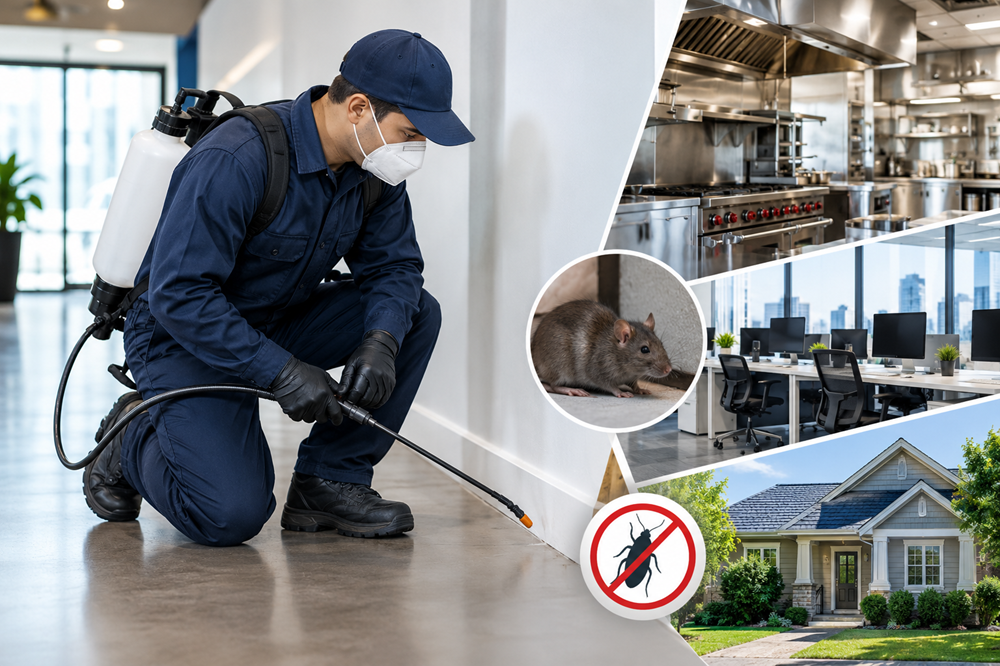
Introduction
Pest infestations can create serious challenges for businesses, affecting cleanliness, employee comfort, customer satisfaction, and the safety of stored products. Whether it is mice in a warehouse, cockroaches in a restaurant, or ants inside an office, even a small pest problem can quickly become a larger concern if ignored.
Edmonton’s changing seasons can also encourage pests to seek food, warmth, and shelter inside buildings. For business owners and property managers, taking preventive measures and addressing infestations early is essential. Professional commercial pest control helps identify pest activity, eliminate existing problems, and reduce the chances of future infestations.
By understanding common pest risks and adopting effective prevention strategies, Edmonton businesses can maintain cleaner, safer, and more comfortable environments for everyone.
Why Commercial Properties Need Professional Pest Control
Commercial buildings often experience more movement than residential properties. Employees, customers, deliveries, waste disposal, and frequent door openings can create opportunities for pests to enter and settle inside.
Different businesses also face different pest-related challenges. Restaurants must manage food waste and storage areas, while warehouses need to protect inventory and packaging. Offices and retail stores may experience problems around kitchens, washrooms, storage rooms, and building entrances.
Professional pest management helps businesses address these risks through inspections, targeted treatments, and practical prevention recommendations.
The main benefits include:
- Protecting business reputation: A visible pest problem can discourage customers and affect confidence in a business.
- Maintaining workplace hygiene: Proper pest management helps reduce contamination risks in affected areas.
- Preventing property damage: Rodents may chew wiring, insulation, packaging, and other materials.
- Reducing recurring infestations: Identifying entry points and nesting areas helps address the underlying causes.
- Supporting business operations: A planned treatment approach can help minimize unnecessary disruption.
Common Pests Found in Commercial Buildings
Recognizing the early signs of pest activity can help business owners take action before the problem spreads.
1. Mice and Other Rodents
Rodents can enter through small openings around doors, pipes, foundations, and loading areas. They may contaminate stored goods, damage electrical wiring, and leave droppings in storage spaces.
Businesses should inspect delivery areas, stockrooms, garbage storage, and spaces behind equipment. Sealing entry points and storing materials properly can help reduce the risk of rodent activity.
2. Cockroaches
Cockroaches often hide in warm, dark, and humid spaces. Commercial kitchens, washrooms, drains, and areas near appliances can provide suitable hiding places when moisture and food residue are present.
Regular cleaning is helpful, but recurring cockroach activity may require professional inspection and targeted treatment.
3. Ants
Ants may enter buildings while searching for food and water. They can appear around windows, foundations, kitchen counters, and areas where spills or crumbs accumulate.
Businesses should clean food preparation areas, store ingredients in sealed containers, and investigate gaps that may allow ants to enter.
4. Flies and Other Insects
Flies can become a concern in restaurants, food-processing facilities, waste storage areas, and commercial kitchens. Their presence may indicate problems with waste management, drainage, or organic material.
Removing breeding sources and maintaining proper waste disposal practices are important parts of an effective pest prevention plan.
Practical Ways to Prevent Pest Infestations
Professional treatment is important when pests become established, but everyday maintenance can make commercial properties less attractive to them.
Maintain Cleanliness
Clean floors, counters, break rooms, kitchens, and storage areas regularly. Remove food waste promptly and avoid leaving uncovered food overnight. Consistent cleaning reduces the food sources that attract many common pests.
Seal Entry Points
Inspect doors, windows, foundations, vents, and utility openings for gaps. Install suitable door sweeps and repair damaged screens where necessary. Even small openings can provide access for certain pests.
Manage Waste Properly
Use secure waste containers and arrange regular garbage collection. Keep outdoor waste areas clean and avoid allowing rubbish to accumulate near entrances or building walls.
Control Moisture
Repair leaking pipes, dripping taps, and damaged drainage systems. Address standing water and condensation wherever possible, as moisture can attract pests and create favourable conditions for some insects.
Inspect Deliveries and Storage Areas
Check incoming packages, pallets, and stored goods for signs of insects or rodents. Keep inventory organized and leave sufficient space around walls for cleaning and inspection.
Arrange Regular Inspections
Routine inspections can help identify early warning signs, including droppings, damaged packaging, nesting materials, unusual odours, and insect activity. Businesses with recurring pest risks may benefit from a scheduled pest management plan.
Commercial Pest Control vs. Residential Pest Control
Although both services aim to eliminate pests and prevent their return, commercial and residential properties have different requirements.
Commercial pest control focuses on workplaces such as restaurants, offices, warehouses, retail stores, and managed properties. Treatment planning may need to consider business hours, inventory, employees, customers, food-handling procedures, and the need to minimize operational disruption.
In comparison, residential pest control addresses pest problems in houses, apartments, condominiums, and other living spaces. Common concerns include mice, ants, spiders, bed bugs, cockroaches, and wasps around homes.
Both approaches benefit from thorough inspections, appropriate treatment methods, and preventive recommendations. However, the right solution depends on the pest involved, the property’s layout, the severity of the infestation, and the people using the space.
For property owners who manage both rental units and business premises, understanding these differences can help them arrange the right service for each situation.
Why Choose Professional Pest Control in Edmonton?
Edmonton property owners face seasonal pest challenges throughout the year. As temperatures change, some pests may seek shelter indoors, while others become more active around outdoor waste areas, foundations, and landscaping.
Professional pest control Edmonton services can help identify the source of an infestation and recommend solutions suited to the property. Rather than relying solely on temporary treatments, a professional approach considers entry points, food and water sources, nesting areas, and conditions that encourage pests to return.
When choosing a pest control provider, consider the following factors:
- Experience with the specific pest and property type.
- Clear explanations of inspection findings and recommended treatments.
- Appropriate licensing and training.
- Transparent pricing and information about follow-up visits.
- Practical advice for preventing future pest activity.
- Clear safety instructions for occupants, employees, and pets where applicable.
A reliable provider should explain the treatment process, any preparation required, and the steps needed after service.
Conclusion
Pest infestations can affect businesses in several ways, from damaging inventory to creating hygiene concerns and disrupting daily operations. Taking preventive action, maintaining clean facilities, sealing entry points, and monitoring pest activity can significantly reduce the risk of recurring problems.
When an infestation develops, professional treatment can help address the immediate issue while identifying conditions that may allow pests to return. Whether you operate a restaurant, office, warehouse, retail store, or residential property, choosing an appropriate pest management strategy is an important part of protecting your investment.
For dependable solutions tailored to your property, PestLink offers pest management services for homes and businesses in Edmonton. Visit PestLink’s commercial pest control page to learn more and take the next step toward a cleaner, pest-free property.
Frequently Asked Questions
1. What is commercial pest control?
Commercial pest control involves inspecting, treating, and preventing pest infestations in business premises such as restaurants, offices, warehouses, retail stores, and other commercial buildings.
2. How can businesses prevent pest infestations?
Businesses can reduce pest risks by maintaining cleanliness, storing food securely, managing waste properly, repairing leaks, sealing entry points, and arranging regular inspections.
3. What is the difference between commercial and residential pest control?
Commercial pest control addresses pest problems in workplaces and business properties, while residential pest control focuses on homes, apartments, and other living spaces. Treatment plans are adapted to the needs of each property.
4. When should a business contact a pest control professional?
A business should seek professional advice when it notices repeated pest sightings, droppings, damaged packaging, nesting materials, or signs of an infestation that cleaning and preventive measures have not resolved.
5. How do I find reliable pest control in Edmonton?
Look for a provider with relevant experience, appropriate licensing, clear treatment recommendations, transparent pricing, and practical prevention advice. Choose a service that understands the specific pest challenges affecting your property.