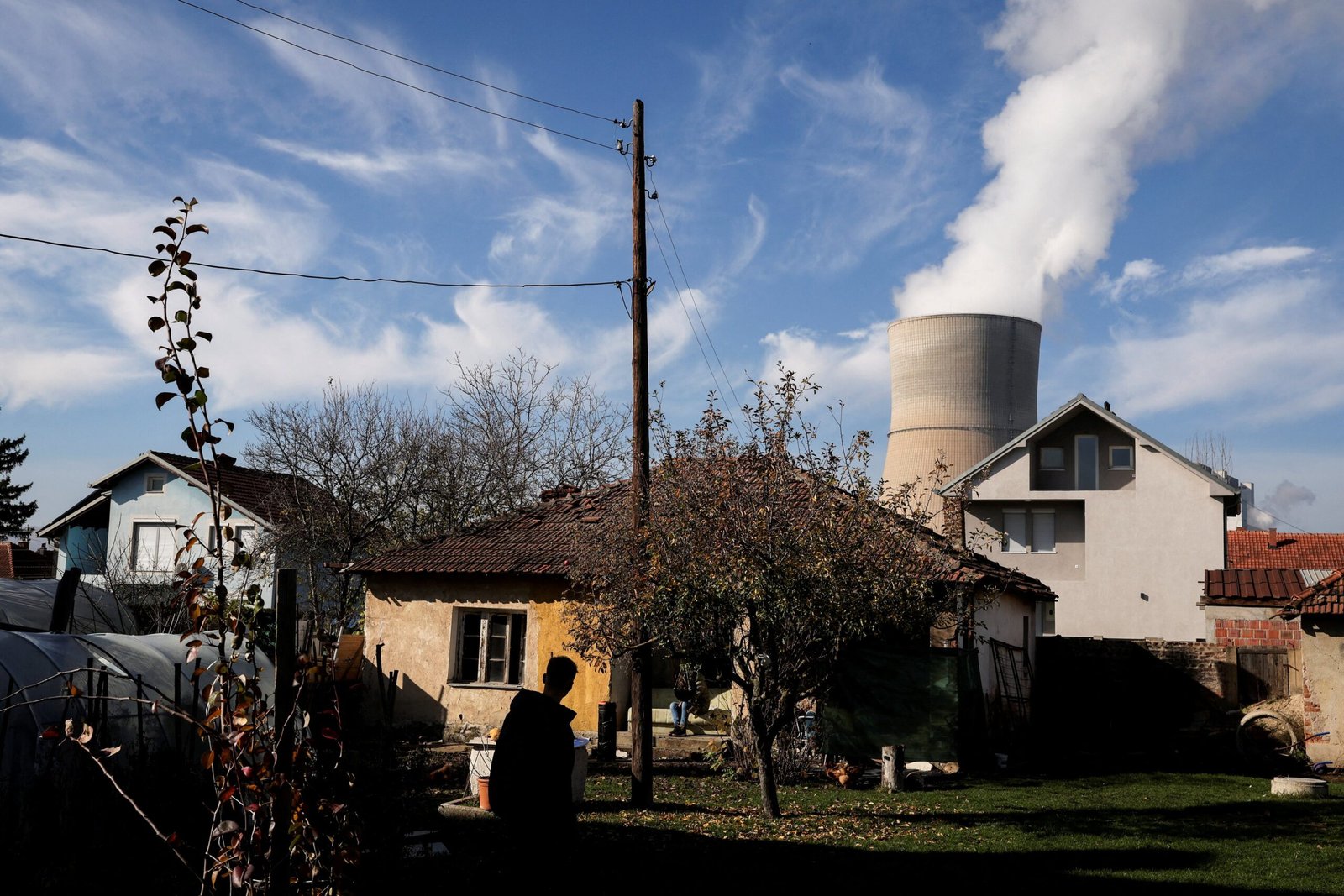
Climate policy in 2026 has moved from distant promises to immediate choices. Nations once debating targets now confront implementation: balancing energy needs, economic growth, and the pressures of increasingly visible climate impacts. This article compares the evolving responses in two very different contexts — the United States, with its technological capacity and fragmented politics, and Pakistan, one of the most climate-vulnerable countries that also faces developmental and fiscal constraints.
Why 2026 matters
Global negotiations since the Paris Agreement created a framework, but gaps between pledges and action lingered. By 2026, new indicators — more frequent extreme weather, insurance market stress, and supply-chain disruptions — have forced national leaders to make pragmatic choices. Finance commitments from richer nations and private capital flows are changing the conversation, but distributional and political challenges remain central.
United States: politics, markets, and the patchwork approach
In the US, the climate story in 2026 is a mix of federal initiatives, state-level leadership, and private-sector innovation. The federal government has strengthened regulatory baselines for emissions from power plants and transport while boosting funding for clean energy deployment and grid upgrades. Federal incentives for electric vehicles (EVs), tax credits for renewables and storage, and grants for grid resilience have accelerated adoption.
Yet national politics continue to shape outcomes. Congressional gridlock on comprehensive climate legislation persists in some sessions, forcing regulators and agencies to use rulemaking and executive tools. States — California, New York, Texas and others — implement their own standards and incentives, creating a patchwork that sometimes spurs innovation and sometimes increases compliance complexity for businesses operating across state lines.
Markets and technology are major drivers. Falling costs for wind, solar, batteries, and green hydrogen, combined with advances in long-duration storage and smart-grid technologies, are enabling utilities to plan deeper decarbonization pathways. Corporate climate commitments, linked to investor and consumer expectations, have pushed many industries to adopt near-term emissions-reduction roadmaps.
Equity debates and communities behind in transition also shape the discourse. Policymakers emphasize just transition programs — workforce retraining, community investment, and targeted funding for historically marginalized regions dependent on fossil fuels.
Pakistan: vulnerability, adaptation, and hard policy choices
Pakistan faces a different calculus. Hit by devastating floods and heatwaves over the past decade, the country sits near the top of vulnerability indices. Climate impacts are not future risks but present challenges: agriculture disruptions, riverine floods, glacial melt, and urban heat stress. At the same time, Pakistan must sustain economic growth, expand energy access, and recover from fiscal shocks.
In response, Pakistan’s policy mix in 2026 increasingly blends adaptation and mitigation. Large-scale adaptation programs — flood defenses, improved water management, resilient crop varieties — are urgent priorities. Pakistan has also expanded climate-smart agriculture initiatives to protect rural livelihoods.
On mitigation, Pakistan’s energy transition faces financing and infrastructure constraints. Yet international finance, including climate funds and bilateral packages, has begun to unlock projects: renewables for rural electrification, upgrades to transmission to reduce losses, and pilot green-hydrogen and solar-plus-storage projects for energy-intensive industries. Policy reforms — tariff rationalization, subsidy redesign, and better grid governance — are essential to attract private investment.
The role of international support
Both countries’ outcomes depend on international finance and technology transfer. For Pakistan, grants, concessional loans, and risk-mitigation instruments are crucial to scale adaptation and early-stage mitigation projects. The US, as a major technology and capital source, plays a role through bilateral programs, export finance, and private-sector investment.
Common challenges and lessons
- Implementation matters: Vague pledges are less useful than concrete project pipelines, financing structures, and regulatory clarity.
- Financing innovation: Blending public concessional capital with private investment reduces risk and increases scale.
- Political buy-in: Policymakers must align climate actions with jobs, energy security, and economic development to sustain public support.
- Local solutions: Community-led adaptation and decentralized renewables often deliver rapid, visible benefits.
What to watch next
- Deployment of long-duration storage and grid investments in the US, which will determine how fast coal- and gas-based baseload generation can be replaced.
- Pakistan’s ability to secure blended finance packages and to implement tariff and governance reforms that attract private capital.
- Global finance pledges become actual disbursements and measurable project pipelines.
Conclusion
2026 is a test year: advanced economies are showing how markets and policy can accelerate transition, while vulnerable countries must stretch limited resources to adapt and decarbonize. Success will depend less on rhetoric and more on financing, governance reforms, and technologies that reach communities on the ground.