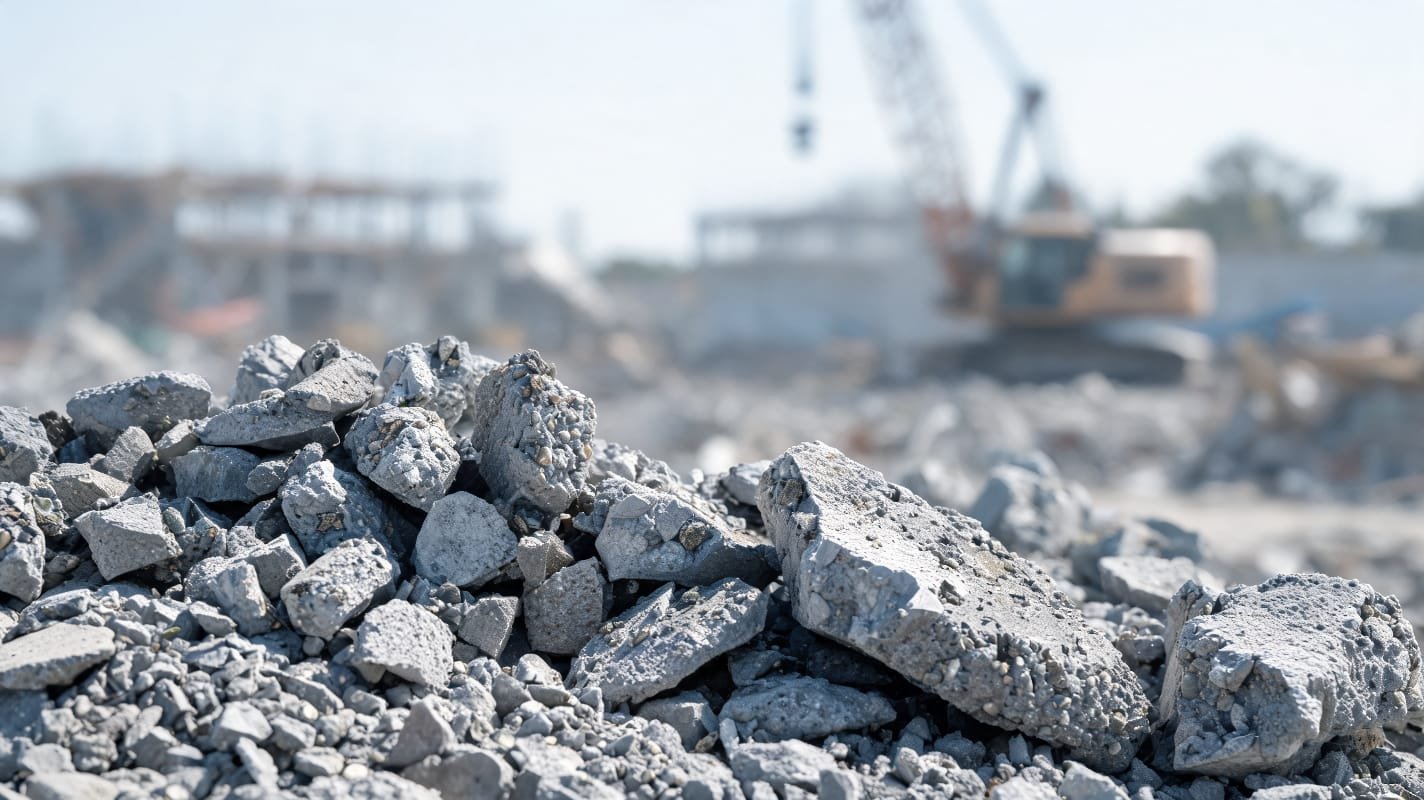
For contractors running a portable jaw crusher on demanding jobsites, wear parts are a constant reality. Whether you are crushing recycled concrete, hard rock, or mixed demolition material, understanding your jaw crusher wear parts and how to manage them effectively can have a direct impact on productivity and profitability. The difference between a well-maintained machine and a neglected one often comes down to how you handle wear components.
In this guide, we break down the most common wear parts, how they function, and practical strategies for reducing jaw crusher wear costs while maximizing uptime.
Why Wear Parts Matter More Than You Think
Wear parts are not just consumables – they are critical to crusher performance. When components wear unevenly or are not replaced on time, you can experience:
- Reduced production rates
- Poor material sizing
- Increased fuel consumption
- Unexpected downtime
For contractors, this directly affects project timelines and margins. A strong maintenance strategy focused on crusher wear parts maintenance tips can help you stay ahead of costly issues.
Main Jaw Crusher Wear Parts Explained
Jaw Plates
Jaw plates are the primary crushing surfaces and take the most abuse. They compress material against each other, breaking it down into smaller sizes.
- Typically made of manganese steel
- Available in different profiles depending on material type
- Subject to constant impact and abrasion
Understanding jaw plates lifespan and replacement is essential. Depending on the material you process, jaw plates may last anywhere from a few weeks to several months.
Cheek Plates
Cheek plates protect the sides of the crushing chamber from wear.
- Prevent damage to the crusher frame
- Help maintain proper chamber shape
- Often overlooked during inspections
Monitoring cheek plates and toggle plates wear ensures your crusher maintains efficiency and structural integrity.
Toggle Plates
Toggle plates play a dual role:
- They transfer force from the pitman to the jaw plates
- Act as a safety mechanism, breaking under excessive load
Because they are designed to fail under extreme conditions, they must be checked regularly. Ignoring cheek plates and toggle plates wear can lead to unexpected shutdowns.
Other Wear Components
Additional parts that contribute to wear include:
- Bearings
- Conveyor belts
- Fasteners and liners
While not always classified as primary wear parts, they still affect overall machine performance and should be included in your maintenance plan.
What Affects Wear Part Lifespan?
Several factors influence how quickly your jaw crusher wear parts degrade:
Material Type
Hard, abrasive materials like granite wear down parts faster than softer materials like limestone or recycled concrete.
Feed Size
Oversized material increases stress on jaw plates and reduces their lifespan.
Moisture Content
Wet or sticky material can cause buildup, leading to uneven wear and reduced efficiency.
Operator Technique
Consistent feeding and proper machine settings can significantly extend component life.
Understanding these variables is key if you want to learn how to extend jaw crusher life in real-world conditions.
Signs Your Wear Parts Need Replacement
Knowing when to replace parts is just as important as knowing what they do.
Watch for:
- Decreased production output
- Uneven product size
- Visible cracks or thinning
- Increased vibration or noise
Delaying replacement often leads to more expensive repairs and higher reducing jaw crusher wear costs becomes much harder.
Best Practices to Extend Wear Part Life
1. Maintain a Consistent Feed
A steady, controlled feed reduces shock loading and uneven wear.
- Avoid dumping oversized material
- Use proper screening before crushing
- Keep the feed centered in the chamber
This is one of the simplest but most effective crusher wear parts maintenance tips.
2. Rotate Jaw Plates
Jaw plates do not wear evenly. Rotating them periodically allows you to use the full surface area.
- Swap positions when wear becomes uneven
- Follow manufacturer recommendations
This practice directly improves jaw plates lifespan and replacement intervals.
3. Adjust Crusher Settings
Closed side setting (CSS) plays a big role in wear.
- Tighter settings increase wear but produce finer material
- Wider settings reduce wear but may require secondary processing
Finding the right balance helps optimize performance and supports how to extend jaw crusher life.
4. Perform Regular Inspections
Routine checks help catch issues early.
- Inspect wear parts daily on active jobs
- Look for cracks, loose bolts, or abnormal wear patterns
Preventive maintenance is one of the most reliable ways of reducing jaw crusher wear costs.
5. Use the Right Wear Parts for the Job
Not all wear parts are created equal.
- Choose the correct manganese grade
- Match jaw plate profile to material type
- Consult with your equipment supplier
Using the wrong components can drastically shorten lifespan and increase your overall costs.
6. Keep the Chamber Clean
Material buildup can cause uneven wear and blockages.
- Clear debris regularly
- Avoid running the crusher empty for long periods
- Monitor moisture levels
Clean operation supports better performance and aligns with proven crusher wear parts maintenance tips.
Cost Impact of Poor Wear Management
Ignoring wear parts does not just lead to repairs – it affects your entire operation.
Common consequences include:
- Increased fuel consumption due to inefficiency
- Lower throughput, reducing productivity
- More frequent downtime and delays
Over time, these issues compound, making it difficult to control expenses. A proactive approach to jaw crusher wear parts management is essential for long-term success.
Building a Wear Part Management Plan
A structured approach helps contractors stay ahead of issues.
Track Usage
Log hours of operation and material type to predict wear patterns.
Keep Spare Parts On Hand
Downtime waiting for parts can be more expensive than stocking them.
Train Operators
Operators should understand how their actions impact wear.
Analyze Performance Data
Use machine data to refine maintenance schedules and improve efficiency.
These steps create a reliable system for reducing jaw crusher wear costs and improving overall productivity.
Real-World Contractor Insight
Contractors who prioritize wear part management often see:
- Longer equipment lifespan
- Lower operating costs
- More consistent production rates
By focusing on cheek plates and toggle plates wear alongside jaw plates, they avoid the common pitfall of only addressing the most visible components.
Final Thoughts
Managing jaw crusher wear parts effectively is not just about replacing components – it is about optimizing your entire crushing operation. From understanding jaw plates lifespan and replacement to applying proven crusher wear parts maintenance tips, every step you take toward better maintenance translates into real savings.
If you want to know how to extend jaw crusher life, the answer lies in consistency, attention to detail, and a proactive approach. By monitoring cheek plates and toggle plates wear and focusing on reducing jaw crusher wear costs, contractors can keep their equipment running longer, more efficiently, and more profitably on every jobsite.