News writing is one of the most crucial aspects of modern journalism & mass communication. It is the systematic, systematic manner in which information is collected, corroborated and communicated on current events in a firm, well organized, clear and unbiased way. Today, in an information-rich global environment, news writing has become vital in terms of shaping public perception and awareness, informing decision making and reminding people of the duty of an accountable government. News writing is different from casual stories or opinions in that it is subject to a few professional rules, beginning with the requirement to be true, relevant, and easy-to-understand. It provides a link between what occurs in society and those that rely on well-regularly reported accounts to keep them up to date with political, economic, social and cultural progress.
What is meant by News Writing?
Understanding journalism as an academic discipline requires one to have an understanding of the core concept of journalism: news writing. News writing is a form of writing that starts with raw materials and stimuli, but ultimately aims to convert the information into a structured, factually correct, easily comprehensible narrative for the audience. It mixes the process of choosing significant events, establishing their credibility, structuring them per journalistic framework (most frequently inverted pyramid form), and reporting them in a neutral way. The meaning of news writing is not merely to describe what happens; it carries with it also the duty of accuracy, clarity, even fairness in all news published. News writers are constantly assessing the credibility of their sources and, certainly, not misinforming or misleading their audiences. This, in a way, not only makes news writing a technical ability but also an ethical one, which affects the people’s trust in media institutions.
Identifying key features of news
There are a few elements of news that make it so different from other writing. Timeliness is one of the most essential traits, and the news needs to be based on not only current news, but current or ongoing events that are relevant to today’s audience. As for accuracy, it’s another crucial aspect journalists need to consider: in cases of news inaccuracies, journalists should avoid spreading inaccurate information, and only report what they have verified. News reports should be objective; that is, they should provide information without emotion and bias. Also, news should be relevant and it’s the audience it’s aimed for that should care at the local, national, or global level. Another hallmark is clarity; news writing is written in a way that is easily understood by reader of any background. Together these attributes make news a sound informational tool in society.
Organisation and the elements of good news writing.
According to the principles of news writing, journalists write about credible content using the guidelines of news writing principles. The inverted Pyramid is one of the most popular and effective of all structures: the key information is displayed first, followed by supporting details and background context. This way, readers will be able to understand the main information without having to read the whole article. As well as structure, the values of accuracy, fairness and accountability are central concepts in journalism. Accuracy means checking the facts, fairness means reporting the facts in a balanced way that reflects all relevant sides and accountability means that journalists are held accountable for what they write. These values cannot be “negotiated” or “opted out” of; it is working standards and best practice to ensure news outlets are credible and remain trustworthy to the public.
Journalism vs Other Forms of Communication
While news writing is in many ways similar to blog writing, creative writing, advertising and opinion writing, it is considerably different. Blogs can form their own opinion and tell their own stories, but news writing must be strictly factual and should not be controversial or subject to interpretation. While advertising tries to persuade the audience to purchase, the focus of news writing is always to inform the audience instead of driving a sale. In contrast to having to include facts and evidence, creative writing is about imagination and artistic expression. Even those who write an opinion piece (editorial or column) would be clearly distinguished from straight news reporting because of the expression of viewpoints rather than facts. The distinction is significant as it serves as a guideline for the audience to distinguish factual reporting from their personal interpretations in order to achieve transparency in media communication.
Functions of news writing in society.
The role of news writing in keeping the democratic societies running. It tells citizens what the government is doing, what is going on in their society, what changes are happening to the economy and what is happening in the world that can impact citizens’ lives. News creates an opportunity for citizens to make informed decisions like in an election, financial planning or personal safety based on timely and accurate information. In addition it provides a watchdog function of holding powerful institutions accountable for their actions. Investigative journalism is especially useful in revealing matters of corruption, injustice and abuse of power, leading to good governance’s transparency and fairness. In the absence of good news writing, societies would deal with misinformation, ignorance and minimal civic participation. This underscores what makes journalism the “fourth estate” which works as a support to democracy, in addition to the executive, legislative and judicial.
News Writing in the Digital Age
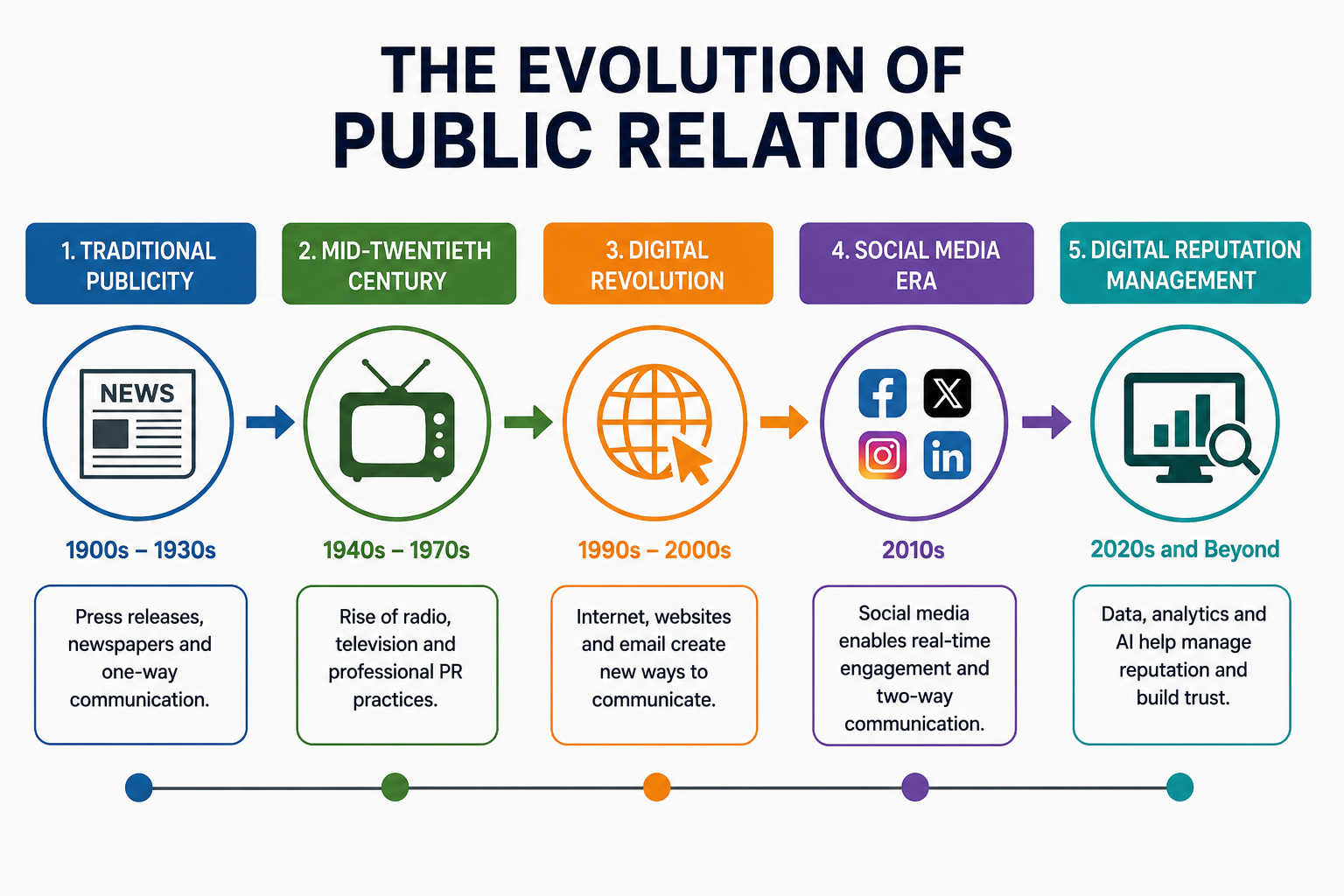
News writing has radically changed in the 21st century with the advent of digital media. In addition to traditional newspapers and broadcast systems, online news platforms, social media and mobile apps have taken the place of, and even surpassed, some traditional media outlets. This transition has led to news being created and consumed at exponentially faster speeds, yet it has made misinformation, fake news and information overload a challenge. In today’s technological world, the storyteller is the journalist, who now needs to know how to tell a story in many different ways, including: text, video, audio and interactive. Moreover, Online network optimization (SEO) has turned into a critical errand while in news composing, online visibility chooses how wide news content is disseminated. In spite of those developments, the standards of journalism, accuracy, objectivity and credibility haven’t changed, and continue to govern the undertaking of a “professional news writer.
Tackling challenges faced by news writers.
There are two types of skills that one should have to write successful news; technical and analytical skills. Quality writing skills are essential, because the job of a journalist involves conveying complicated information in a clear and concise way. Research skills are also crucial as it helps writers gather information from credible sources, ensure facts are correct before publishing. Critical thinking is the ability of the journalist to interpret the content, recognise bias, and decide on news. Communication skills are also critical as they are required when interviewing or talking to sources. Furthermore, ethical considerations are important for making decisions, especially when it comes to personal data and sources, among other situations. However, digital literacy has become a requirement in this day and age, given that journalists have to use Internet, data and multimedia editing software to create accurate news reportage.
While news writing is crucial in this fast-moving news media, there are several problems faced by news writers. The problem of misinformation and disinformation is one important result that could affect the perception of the public and potentially discredit credible information sources. Oh, and the haste with which articles are expected to be written in the digital age can create the problem of poor reporting or may cause errors along the way. Refunds prevented many media companies from hiring enough staff, focus and resources to cover the news, thus putting a strain on the abilities of journalists themselves. Further, fragmentation of the audiences renders that access to news on different platforms is read with different degrees of trust, which is difficult for ensuring to have a common perception about the events. Journalists should, therefore, operate at both ends and keep to the news standards to maintain the integrity of news writing.
The Future of News Writing
There are still many future changes in news writing that have come with the increasing technological innovations and changing the way the audience perceive news. Artificial Intelligence, data journalism and ANA reporting systems are increasingly being incorporated into the news production process. These tools might help journalists to analyze large quantities of data, create reports and spot trends faster. But thought needs to be fully human, though, especially when it comes to ethical evaluation, investigation and context. Knowing that to meet these growing needs, audiences will increasingly expect more relevant and interactive forms of content, news organizations will have to finally take the opportunity to take a look at their story-telling formats and make changes accordingly to meet the demand. Even with these changes, the reasons for news writing – accuracy and responsible reporting of information to the public – stay the same.
Conclusion
Today, it is one of the main pillars of journalism as news writing is essential in conveying information from the events to readers, listeners, and viewers. It’s characterized by being accurate, objective, clear and relevant, so that information is expressed responsibly. In news writing facts are more important than opinion, and it is a critical role in supporting democratic societies, which no other form of communication is as important. As we live in an age of digital media and information instantaneously faster than ever, there is more need than ever for skilled, ethical, reliable news writers. Journalism is a process continually evolving, and at its core will always be news writing, which will guide societies to understand and make informed decisions on how the world will move forward.